You Are All Our Children in One | Opening: 29 July 2026
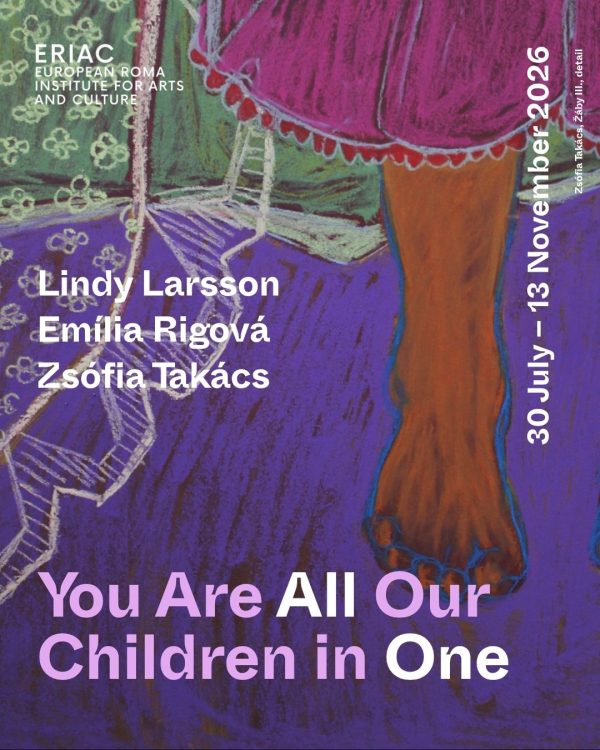
ERIAC PRESENTS: You Are All Our Children in One
Lindy Larsson (SE), Emília Rigová (SK), Zsófia Takács (HU)
30 July – 13 November 2026, Opening on 29 July, 18:00
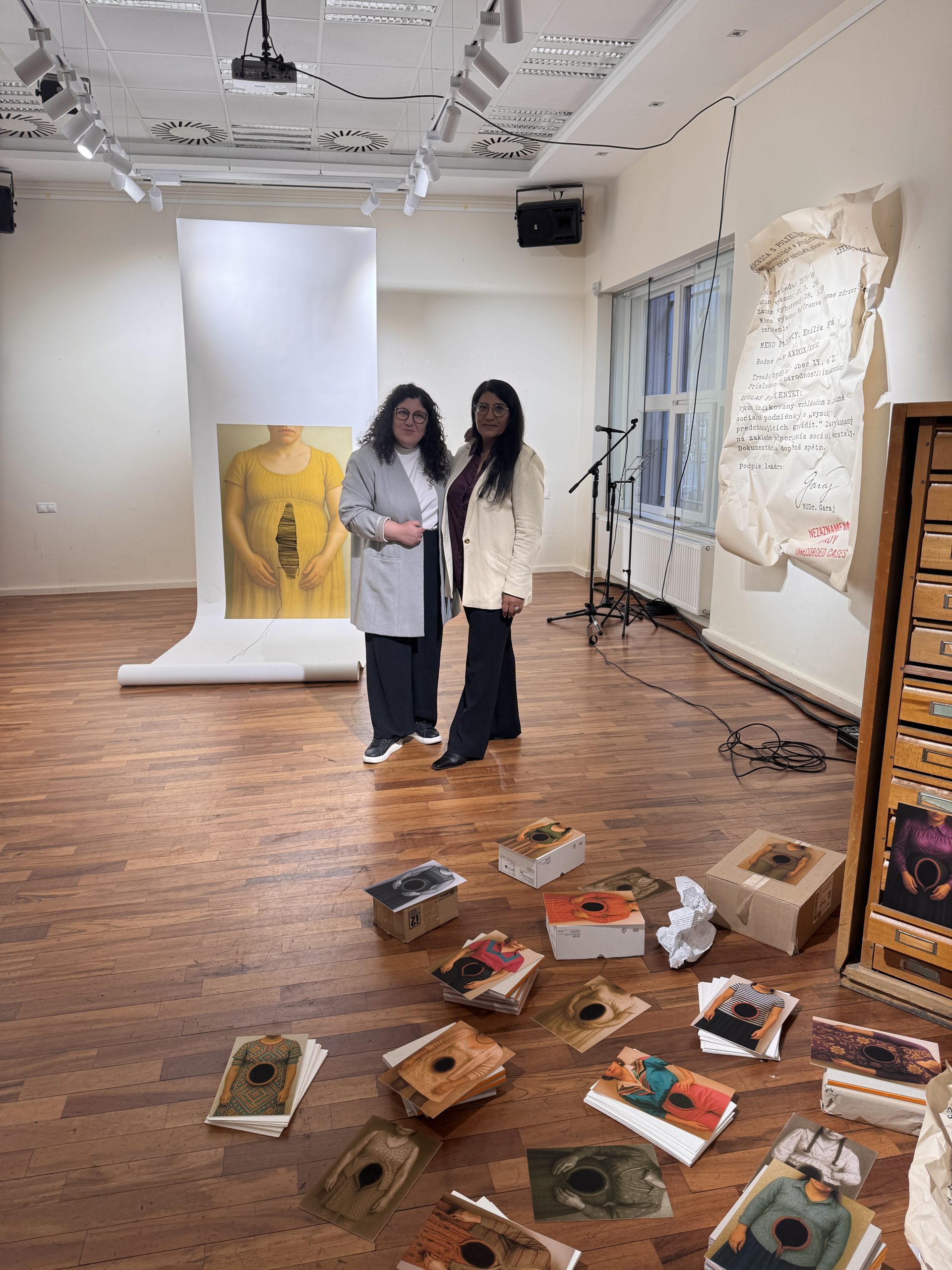
Presented on the occasion of 2 August, the European Holocaust Memorial Day for Roma and Sinti, this exhibition examines the persistence of eugenic ideologies after 1945. Emerging in the late nineteenth century, scientific racism and eugenics legitimized policies of racial exclusion and served the foundations of the modern nation states. They culminated in the racial laws of National Socialism and the genocide of Roma and Sinti during the Holocaust.
The defeat of Nazi Germany did not end these ideologies. They persisted, mutating into new forms through postwar legislation, welfare systems, and medical practice. The coercive sterilisation of Romani and Traveller women in countries including former Czechoslovakia, Sweden, and Norway remains one of the clearest examples of this continuity.
Rather than reconstructing this history through official archives, the exhibition brings together artists whose works expose histories omitted from institutional memory. Through painting, installation, performance, and testimony, they reveal the violence concealed behind the language of welfare, medicine, and progress. Together, their works create counter-archives, where bodies, family histories, and artistic practice become repositories of historical truth.
Through the works of Lindy Larsson, Emília Rigová, and Zsófia Takács the exhibition presents three artistic responses to these silenced histories. Its title borrows a sentence from Emília Rigová’s childhood, one whose meaning only became clear years later: “You Are All Our Children in One.”
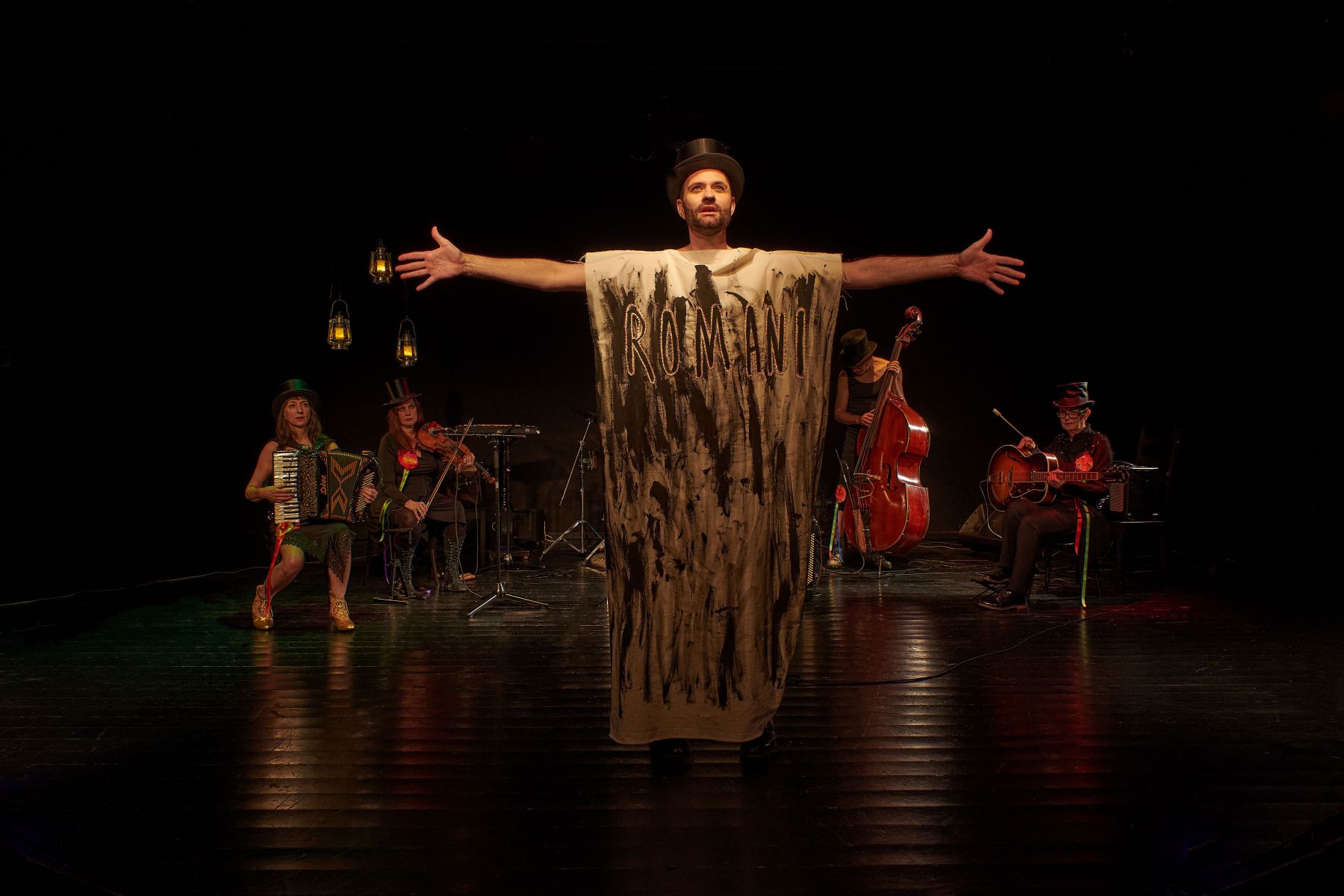
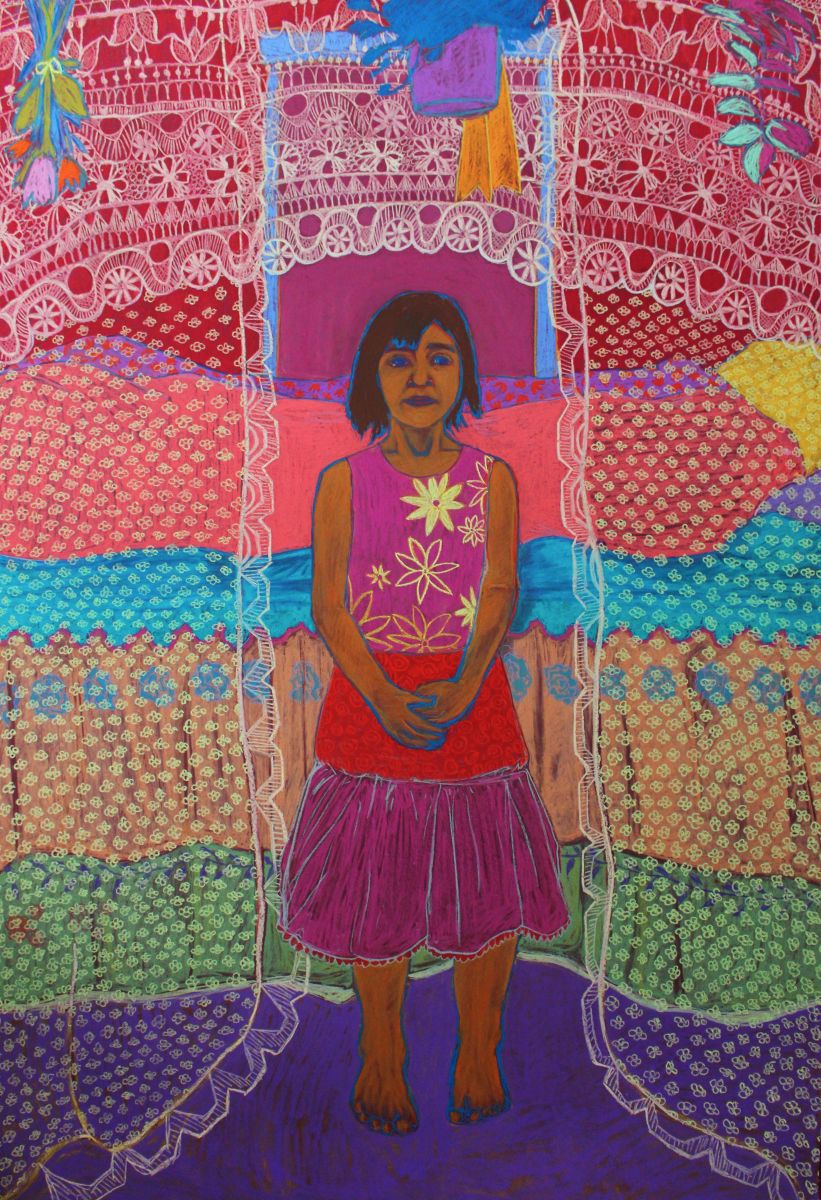
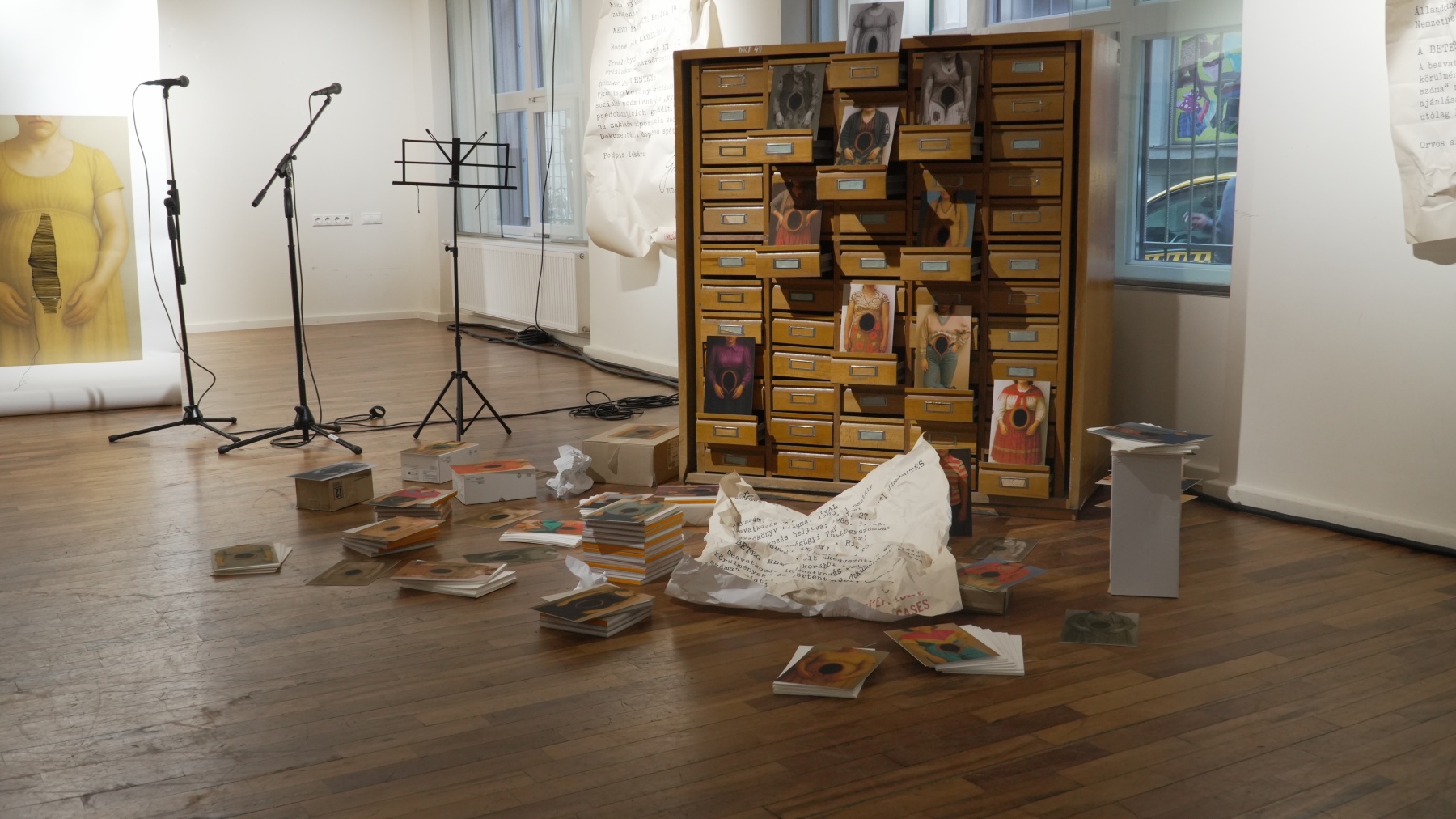
The exhibition opens on 29 July 2026 at 18:00 at ERIAC’s Gallery Space (ERIAC Gallery Space Reinhardtstraße 41-43, 10117 Berlin).
18:00 – Exhibition opening You Are All Our Children in One, curated by Emese Molnár
18:30 – Performance by Lindy Larsson, Tschandala – The Romani version
Surprise guest: VADIK (Vadim Kolpakov)
19:00 – Artist talk with Gwendolyn Albert, Stefan Forss, Lindy Larsson, Květoslava Podhradská, and Zsófia Takács. The discussion will be moderated by Anna Mirga-Kruszelnicka, ERIAC’s Executive Director.
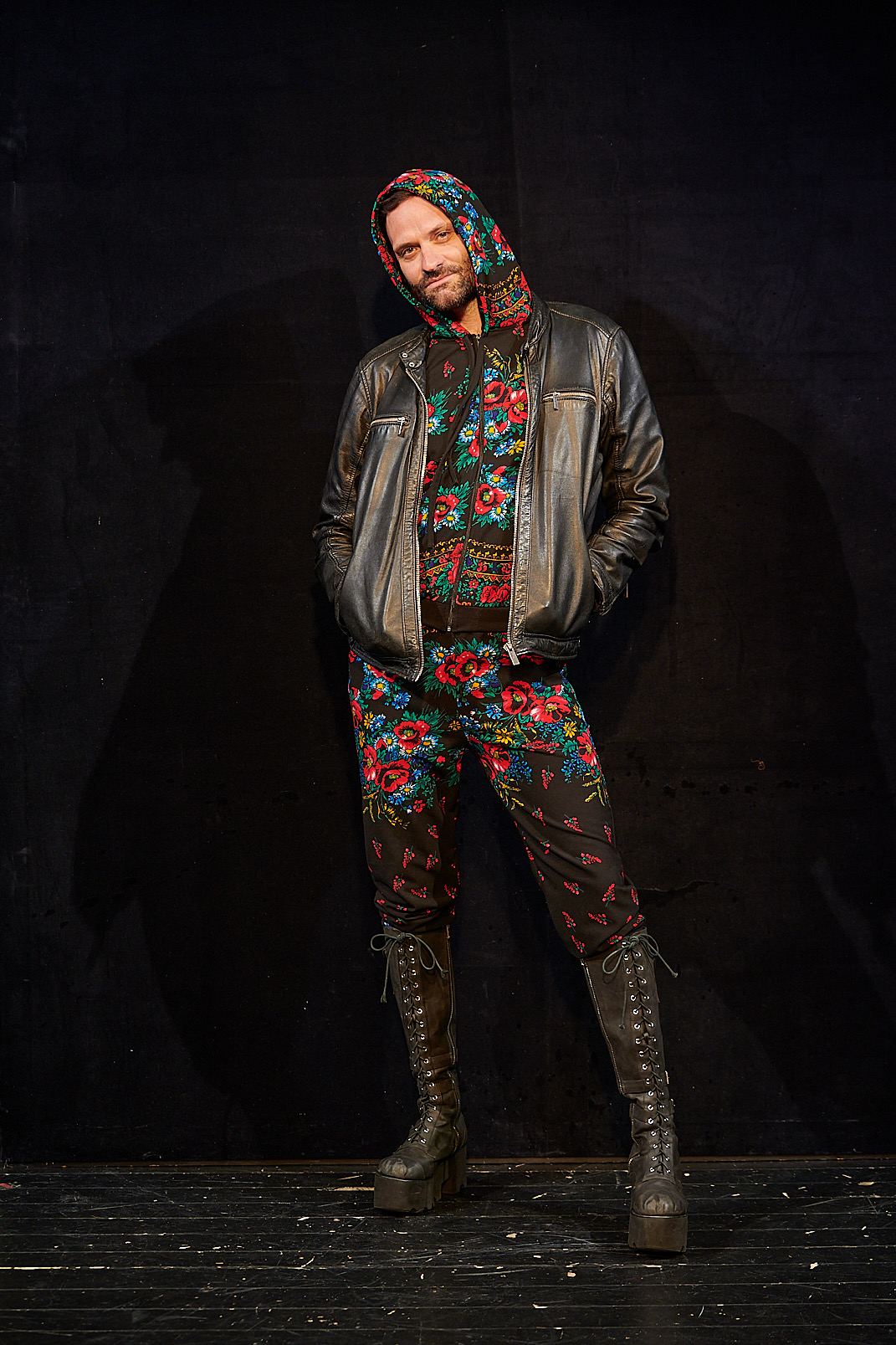
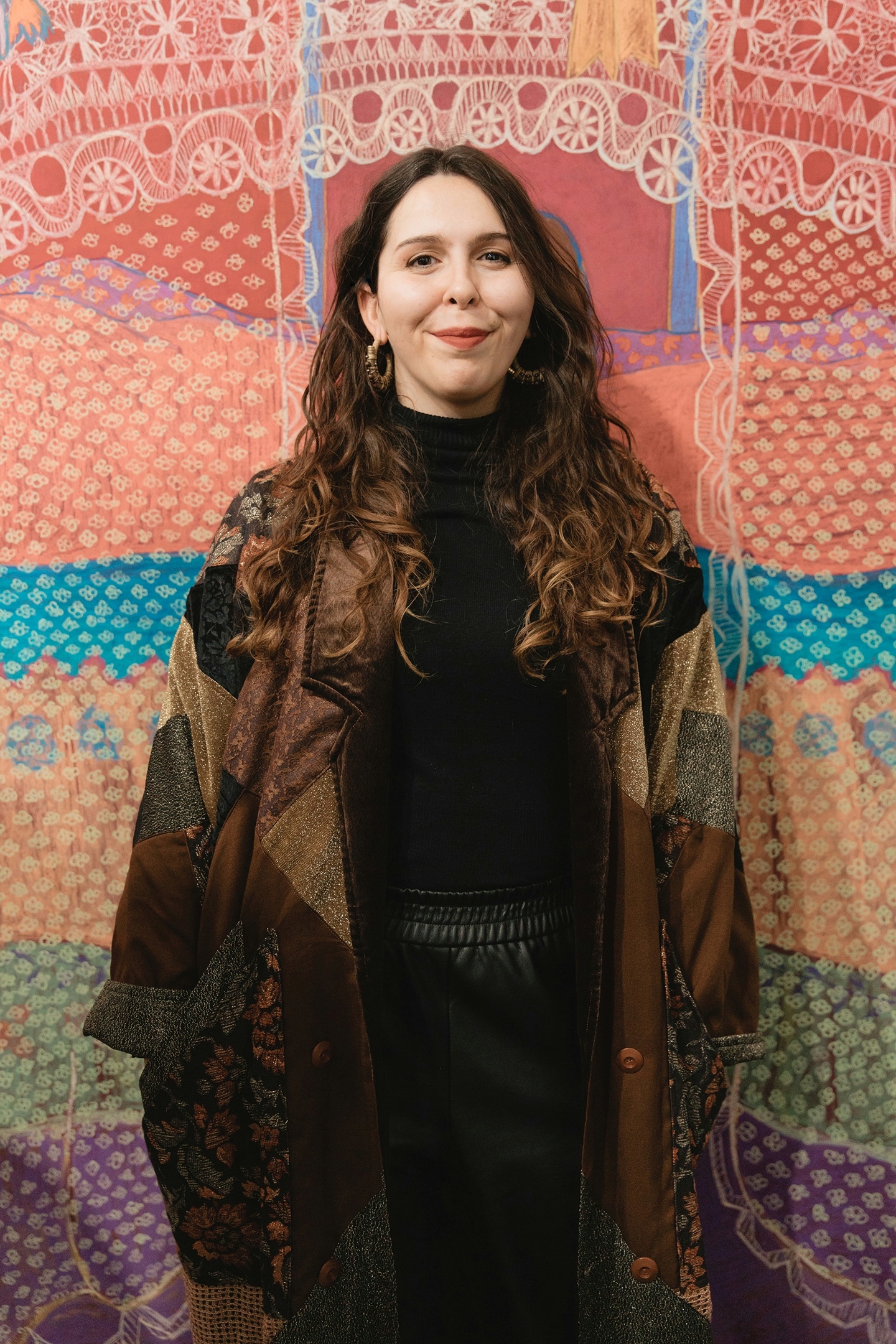
Her work has been presented at the OFF-Biennale Budapest, Bura Gallery (Budapest), the University of Porto, and the Nádor Gallery (Pécs), among other venues.
Opening Programme
The opening will be followed by a performance by Lindy Larsson, featuring excerpts from Tschandala – The Romani Version, a critically acclaimed autobiographical work created by Lindy Larsson and Stefan Forss that confronts Sweden’s history of antigypsyism through a reinterpretation of August Strindberg’s Tschandala. The full recording of the performance will be available throughout the exhibition, courtesy of Independent Theater Hungary. More about the production is available on the Roma Heroes platform.
The evening features a surprise artistic moment by internationally acclaimed seven-string guitarist VADIK (Vadim Kolpakov).
Surprise Guest
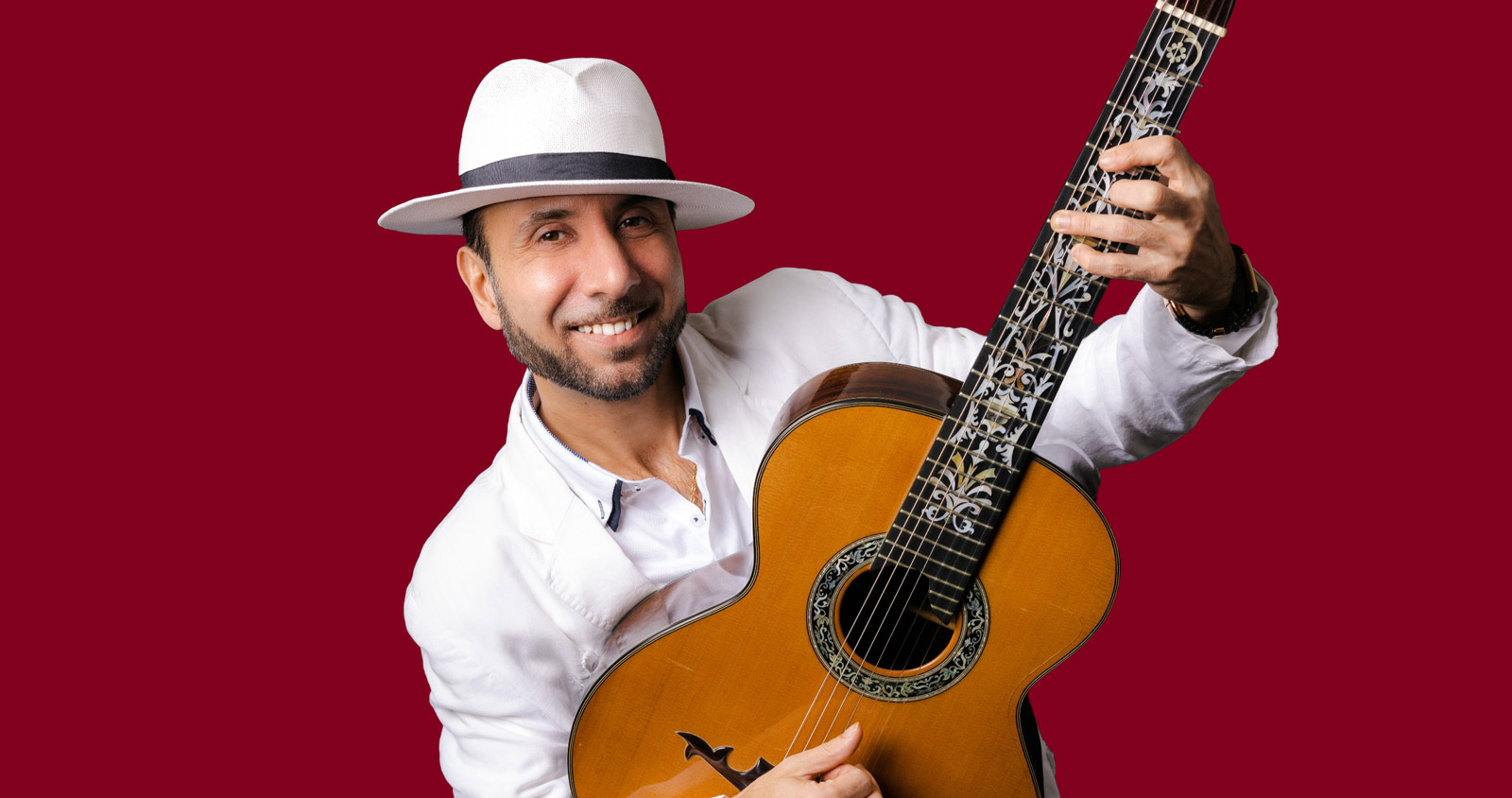
VADIK (Vadim Kolpakov) is an internationally acclaimed Romani seven-string guitarist, vocalist, dancer, and composer – one of the foremost living masters of his tradition. A third-generation artist of the legendary Kolpakov family, Vadik brings the rich soul of Romani music into the modern world, blending it with jazz, flamenco, Latin, pop, and world sounds. Known for his collaborations with Madonna, Gogol Bordello, and his ensemble Via Romen, Vadik has performed on the world’s greatest stages – from Carnegie Hall to Wembley Stadium. His artistry radiates passion, virtuosity, and the unmistakable spirit of “Gypsy soul” – a celebration of music, dance, and life itself.
The performance will be followed by an artist talk with Gwendolyn Albert, Stefan Fross (co-author of Tschandala – The Romani Version), Lindy Larsson, Květoslava Podhradská, and Zsófia Takács. The discussion will be moderated by Anna Mirga-Kruszelnicka, Executive Director of ERIAC. Květoslava Podhradská’s intervention will be translated from Romani language to English by Mihaela Zătreanu, Romani language expert, Executive Director of ERIAC Romania. The conversation will explore the persistence of antigypsyism in postwar Europe and the role of contemporary art and performance in recovering histories erased from official memory.
Artist Talk
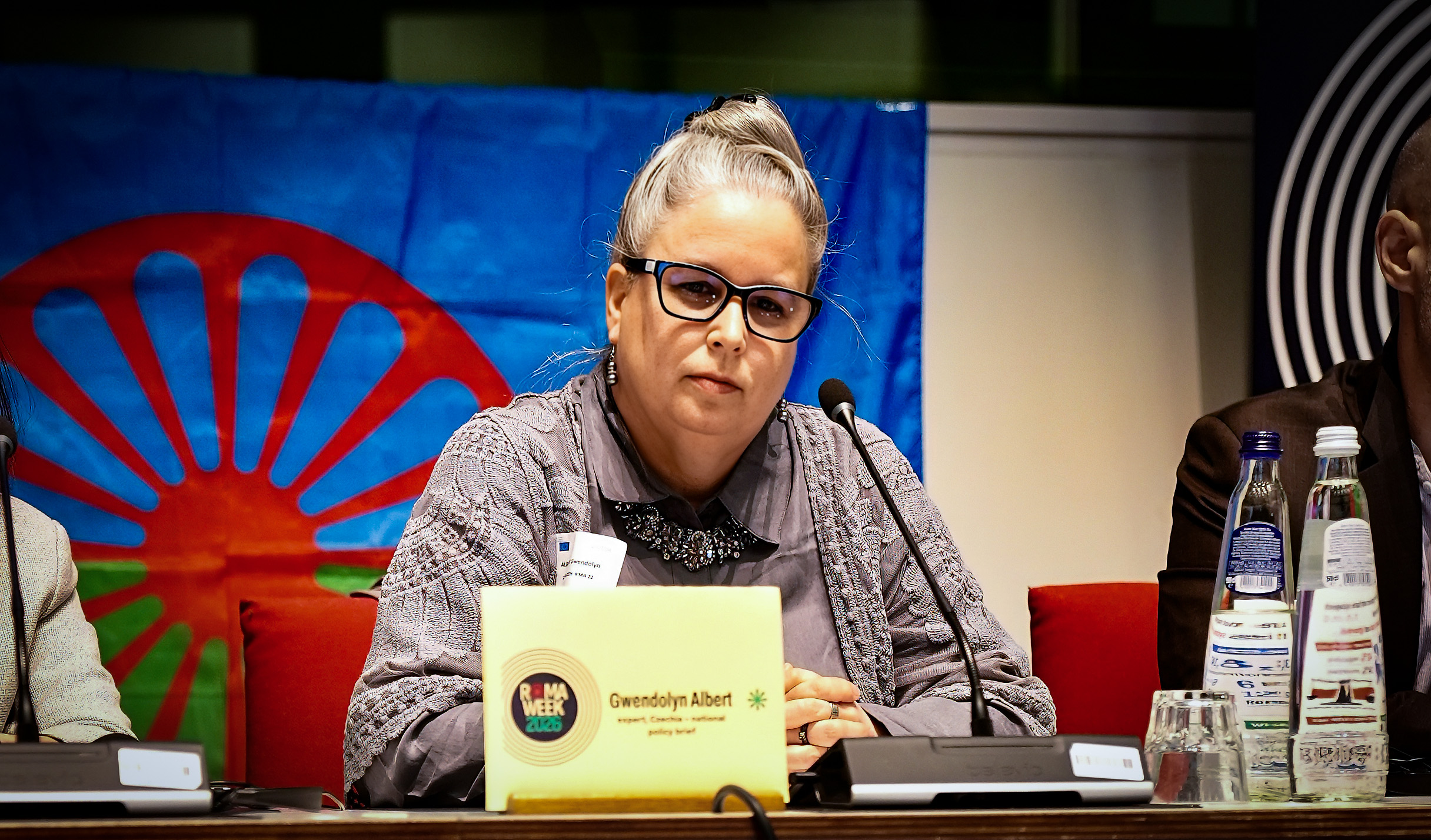
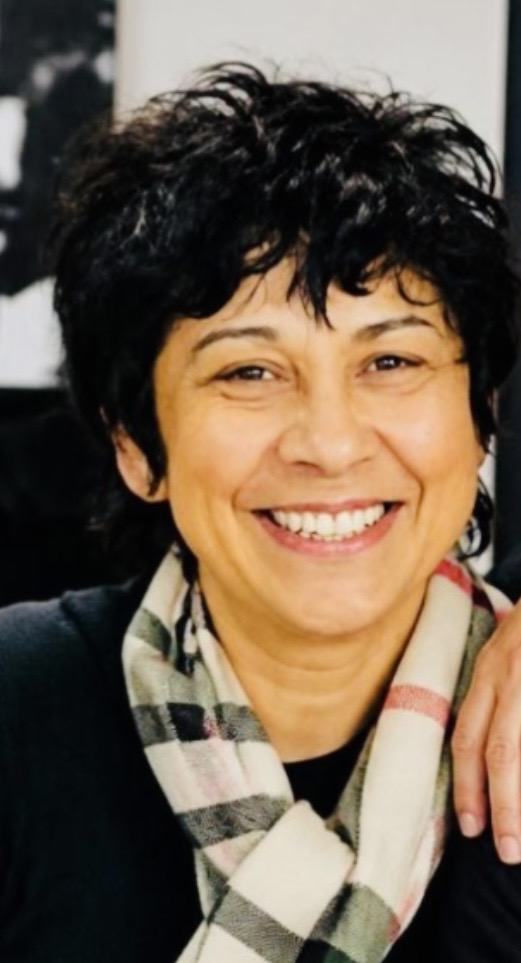
Květoslava Podhradská (b. 1961) is a Czech Romani author who began writing in Romani while still in secondary school. She made her literary debut with the children’s book Povídání u povidel / O vakeriben paš o lekvaris (2022) and regularly contributes short stories to anthologies. She is one of the contributors to Podvázané mašličkami / Podphandle mašľičkenca (Tied with Ribbons), published by Slovo 21, which brings together literary accounts inspired by the lives of fourteen Romani women who were forcibly sterilised in Czechoslovakia.“I write so that people can recognize themselves in stories about the worries and joys of life. I was shocked by how much pain sterilized women endured and how often they were silenced. I believe that writing has the power to preserve memory and encourage reflection, so that such injustices are never repeated.”
The exhibition is supported by the Federal Foreign Office of Germany, through the International Cultural Outreach Program.