Page id: 19988
2025 | INTERNATIONAL CULTURAL OUTREACH PROGRAM
In 2025, ERIAC’s International Cultural Outreach Program continues to expand its presence across major cultural, academic, and artistic platforms, building on a series of cultural initiatives successfully implemented in Germany in 2024 with the support of the German Federal Foreign Office. Highlights of 2024 included the Roma Art of Assembly at the Akademie der Künste in Berlin and the expansion of the RomaMoMA Nomadic Library at the Schiller-Bibliothek, developed in partnership with leading German cultural institutions. These activities increased the visibility of Roma cultural production and reinforced ERIAC’s role as a bridge between Roma communities and wider European cultural spaces.
In a context marked by political polarization, shrinking cultural funding, and the persistent exclusion of Roma communities, ERIAC works to strengthen visibility, foster international cooperation, and secure sustainable opportunities for Roma artists and intellectuals.
The 2025 program unfolds across language, literature, film, visual arts, research, and community engagement. It consolidates ERIAC’s role as a leading transnational platform for Roma arts and culture and advances the recognition of Roma voices within European and global cultural discourse.
Romani Language Initiative
ERIAC continues its long-term commitment to becoming the central language and education hub for the transnational Romani community. The Romani Language Initiative builds on earlier work developing teaching materials aligned with the Council of Europe’s Curriculum Framework for Romani and advancing international collaboration in the field of Romani language education.
In 2025, the initiative focuses on the development and research of the first five chapters of a B2-level Romani language textbook. The process is coordinated by Mihaela Zătreanu, former ERIAC Barvalipe Academy Member and lead expert in the development of the A1–B1 Romani language textbooks. Developed in close collaboration with international language experts and aligned with the Common European Framework of Reference for Languages, the B2 draft integrates contemporary linguistic research and responds to evolving educational needs. A test teaching module will further pilot new materials in classroom settings, ensuring practical feedback for refinement.
In 2026, ERIAC envisions completing the remaining five chapters, finalizing a comprehensive B2-level textbook designed to respond directly to the needs of learners and educators. Through this phased and expert-led process, ERIAC strengthens its role in safeguarding, standardizing, and revitalizing the Romani language for future generations.
ACADEMIC SECTION – Critical Romani Studies
In cooperation with Central European University (CEU), ERIAC is preparing a special additional issue of the Critical Romani Studies Journal. This extraordinary edition will feature academic papers authored by Roma scholars and academics, originally presented during the ERIAC Academic Conference held in 2023 in Timișoara. The initiative aims to amplify Roma voices within academic discourse and contribute to the development of Critical Romani Studies as a recognized field. CEU has already secured essential editorial services, including copyediting and layout editing. Additional funding is sought to cover printing and publishing costs, ensuring wide dissemination and accessibility of this important academic contribution.
Romani PEN
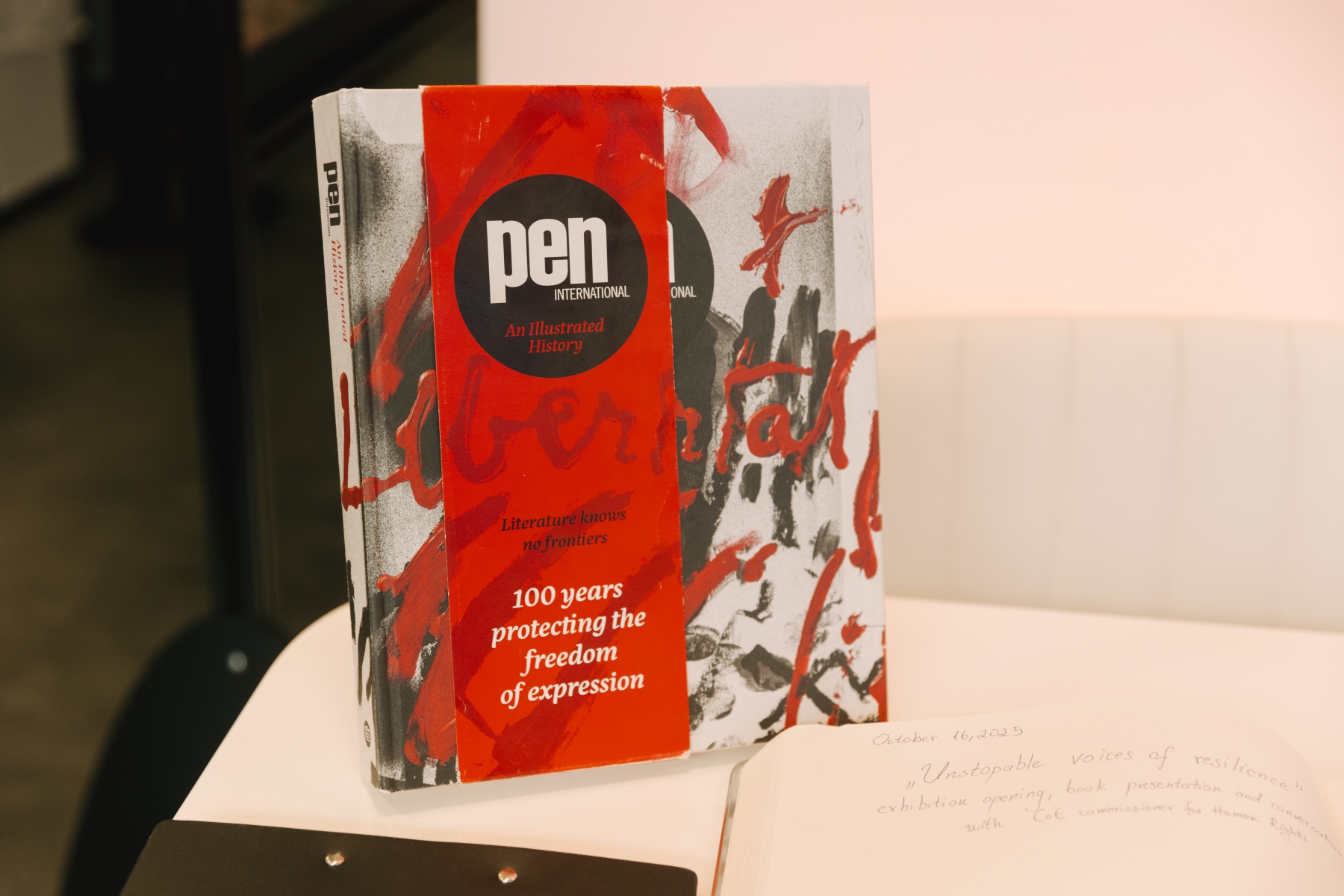
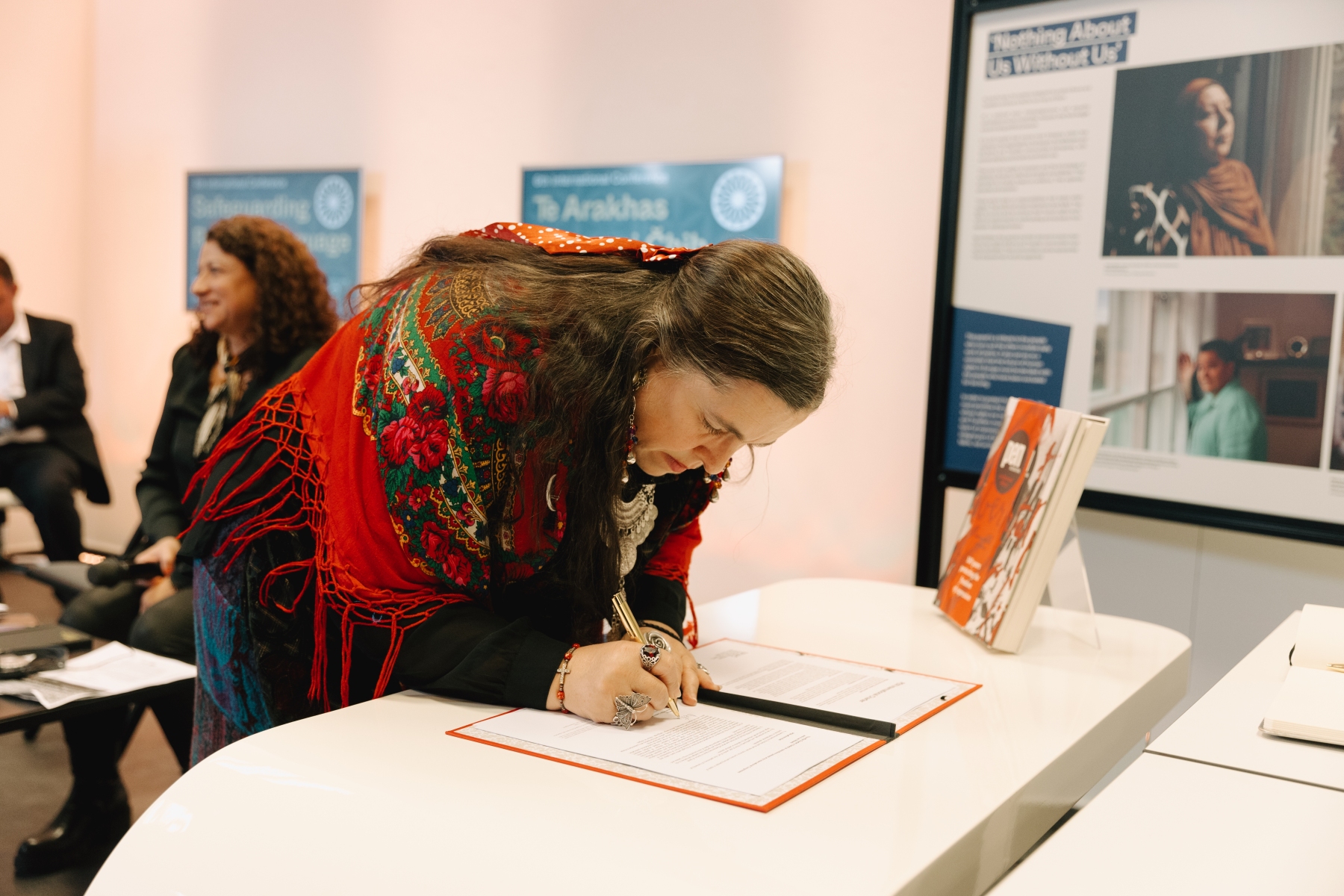
ERIAC leads a historic initiative to establish the Romani PEN Center — the first international association dedicated to Roma writers, poets, linguists, journalists, and intellectuals. Rooted in the complexity and richness of Romani literature, which reflects transnational, diasporic, and multilingual experiences, the Romani PEN Center will serve as a platform for Roma literary expression, self-representation, and cultural preservation.
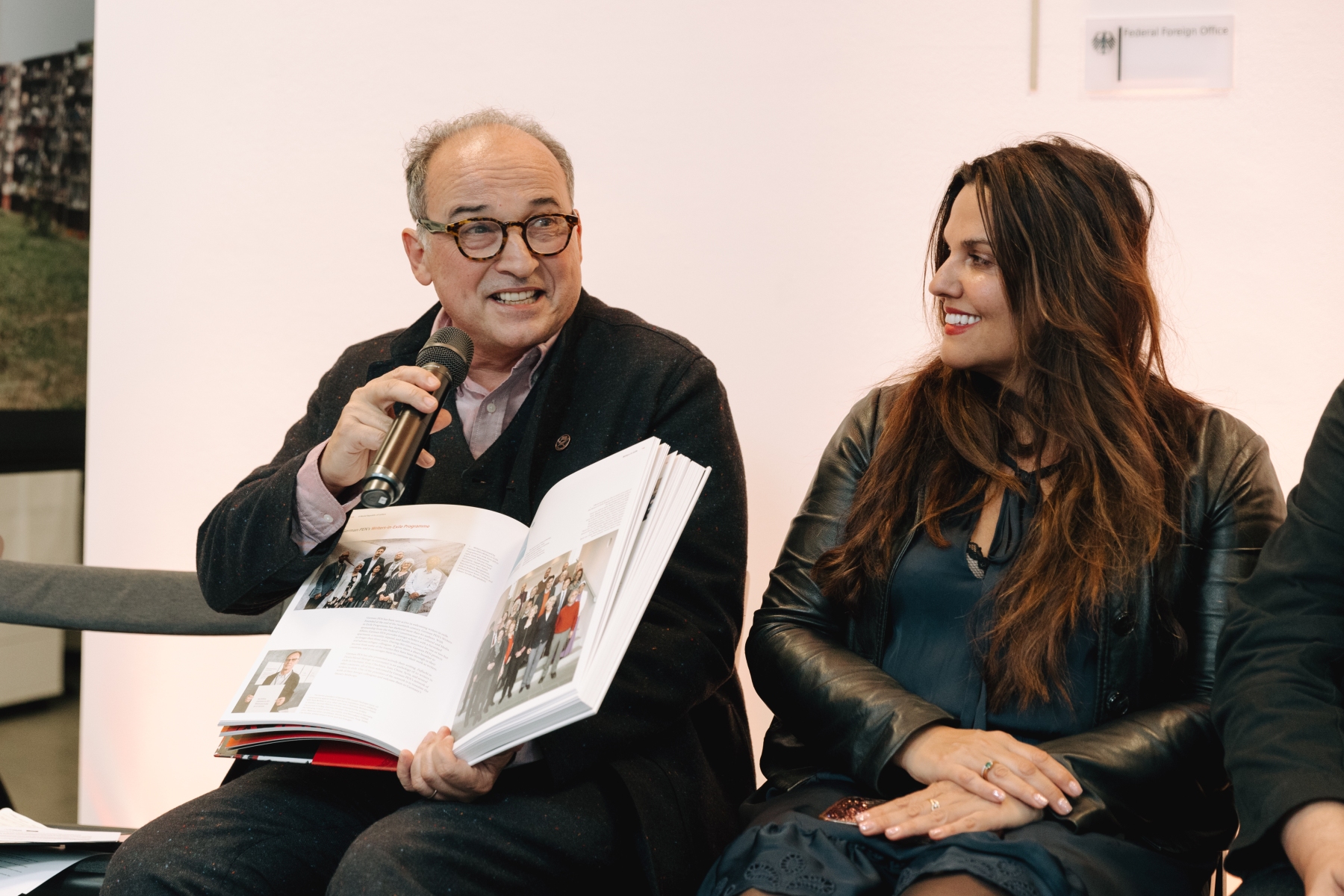
Recognizing the urgent need to safeguard the Romani language and to broaden the visibility of Roma voices within the global literary canon, ERIAC has initiated consultations with PEN International. A first virtual meeting took place on March 27, 2025, laying the foundations for this endeavor. Building on this momentum, the first in-person public gathering of Roma writers and intellectuals is planned for November 5, 2025, within the framework of the international conference “Safeguarding Our Romani Language”, marking the International Day of the Romani Language. Endorsed by PEN International, this event will mark a decisive step toward the formal establishment of the Romani PEN Center.
The Romani PEN Center will unite Roma literary voices across borders, supporting mentorship, workshops, publications, and advocacy for linguistic and cultural diversity. It will embrace an inclusive understanding of Romani literature, welcoming all texts engaging with Roma identity and cultural memory, and positioning Roma literary production as an integral part of world literature.
By engaging a transnational community of Roma cultural producers, the Romani PEN Center will affirm Roma agency in shaping and articulating narratives, histories, and futures. The establishment of the Romani PEN Center will stand as a major milestone within ERIAC’s broader mission to promote Roma arts, culture, and identity.
ERIAC Film Inititative
Building on its successful presence during the Cannes International Film Festival last year, ERIAC is proud to return in 2025 with an expanded and strategic presence. This year, ERIAC will participate as part of the Creative Europe MEDIA Stands, one of the few cultural organisations granted exclusive access to the Marché du Film, joining a curated circle of high-tier film institutions and gaining access to key networking and market opportunities.
As part of this presence, ERIAC has established a new partnership with the Documentary Association of Europe (DAE) for an exclusive engagement within the Cannes Docs section of the market. Cannes Docs is the central documentary-focused industry platform of Marché du Film, dedicated to showcasing outstanding global non-fiction projects and involving documentary professionals for curated presentations, roundtables, and exchange of practices. Within this context, ERIAC will contribute to the public conversation on Diversity and Inclusion, with a special focus on Roma-related topics, while also inviting Roma documentary filmmakers to present their work and share good practices on representation within the non-fiction field.
In addition, ERIAC will introduce its consultancy and policy-making program for non-Roma filmmakers working with Roma-related themes. This new initiative, aimed at improving representation and supporting ethical storytelling, will be launched officially at Cannes as a consultancy framework to support inclusive and respectful portrayals of Roma lives and histories on screen.
To strengthen professional industry engagement, ERIAC has also secured partnerships with both the EAVE Producers Network and the ACE Producers Network, co-curating dedicated networking events throughout the festival to create stronger bridges between Roma creators and key players in the international film industry.
The most meaningful moment of ERIAC’s presence in Cannes will be marked on May 16 – the International Day of Romani Resistance, which commemorates the 1944 uprising of Roma prisoners at Auschwitz-Birkenau. On that day, in defiance of their imminent extermination, Roma prisoners from the so-called Zigeunerlager stood up against the SS guards, armed only with tools from their forced labor. Their resistance remains the only recorded uprising at Auschwitz and is commemorated across Europe as Romani Resistance Day.
On this symbolic day, ERIAC will host a ceremony at the Creative Europe MEDIA Stands to honour this legacy of courage and resilience. The event will serve as a moment of reflection and collective commitment toward greater representation and inclusion of Roma voices in European cinema.
Milan Triennale
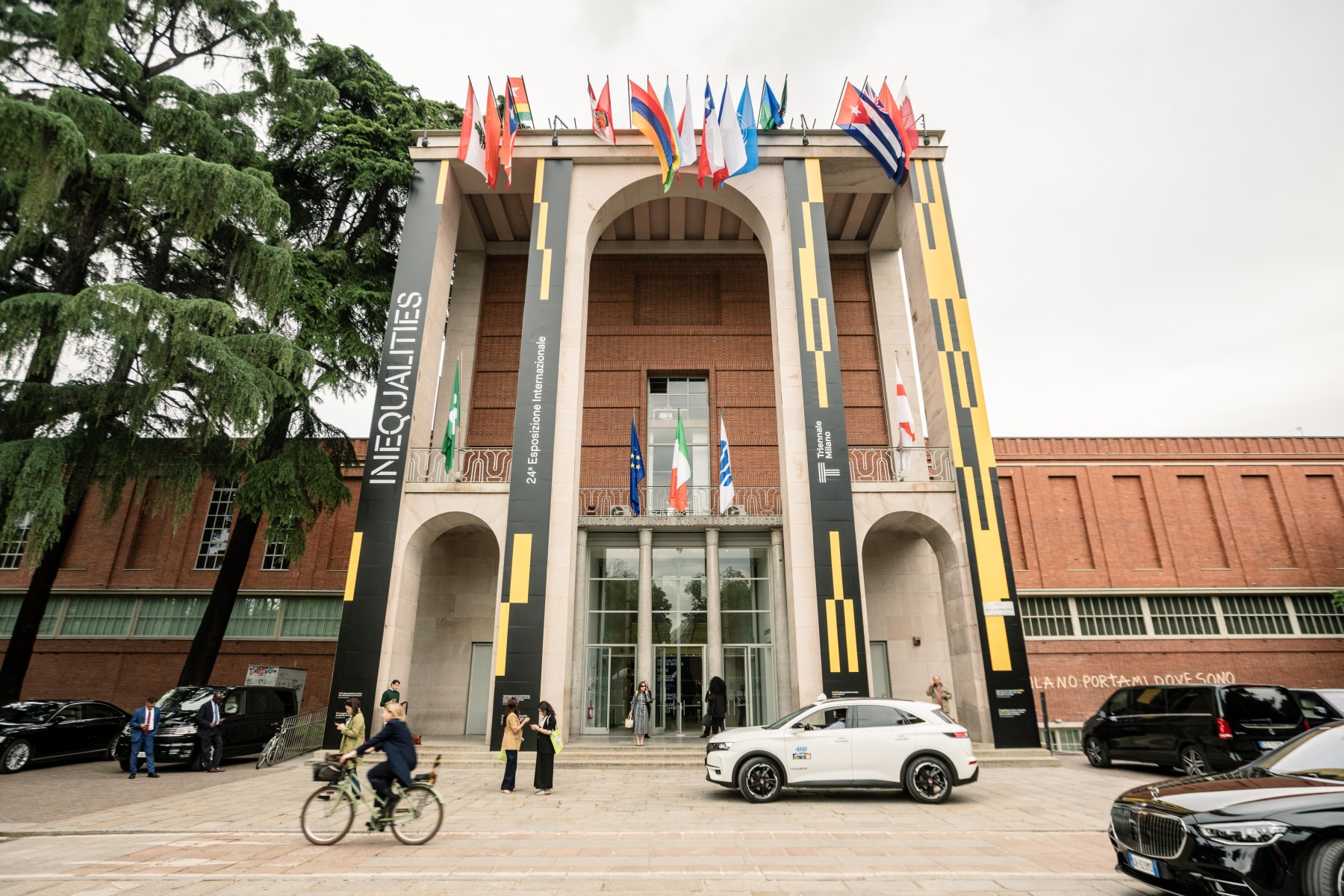
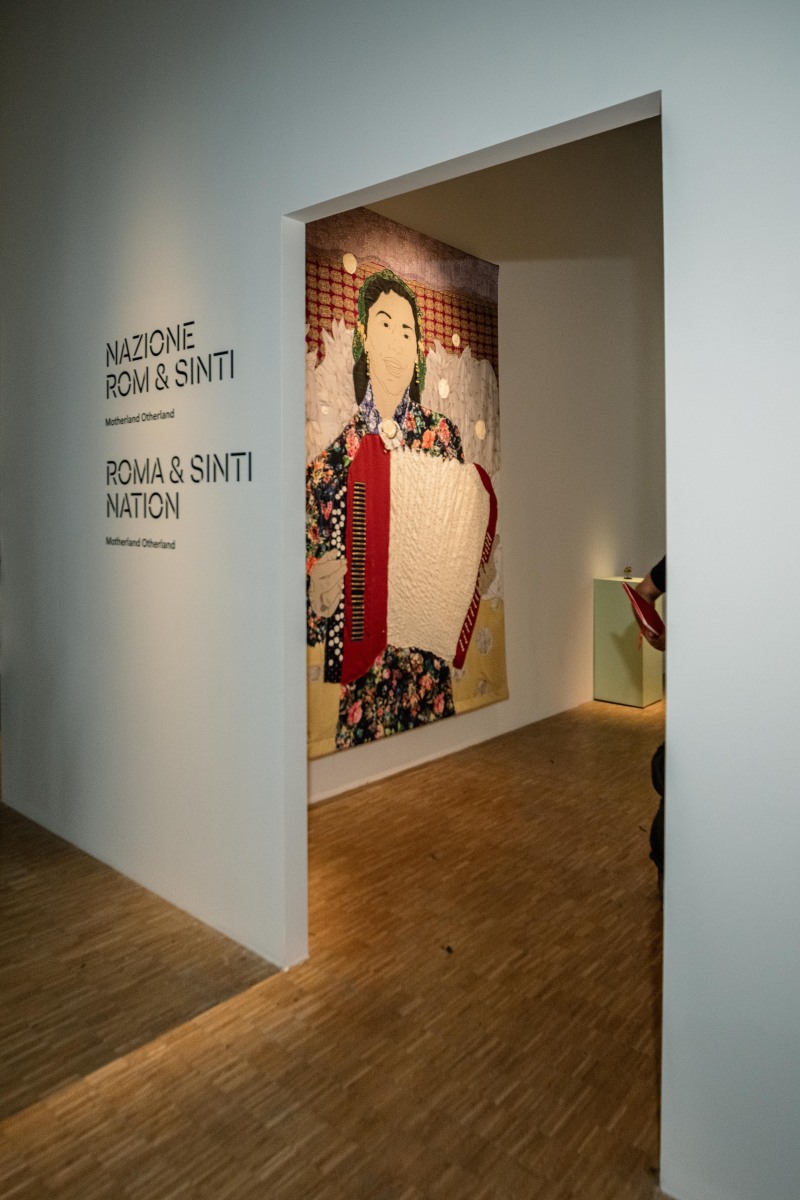
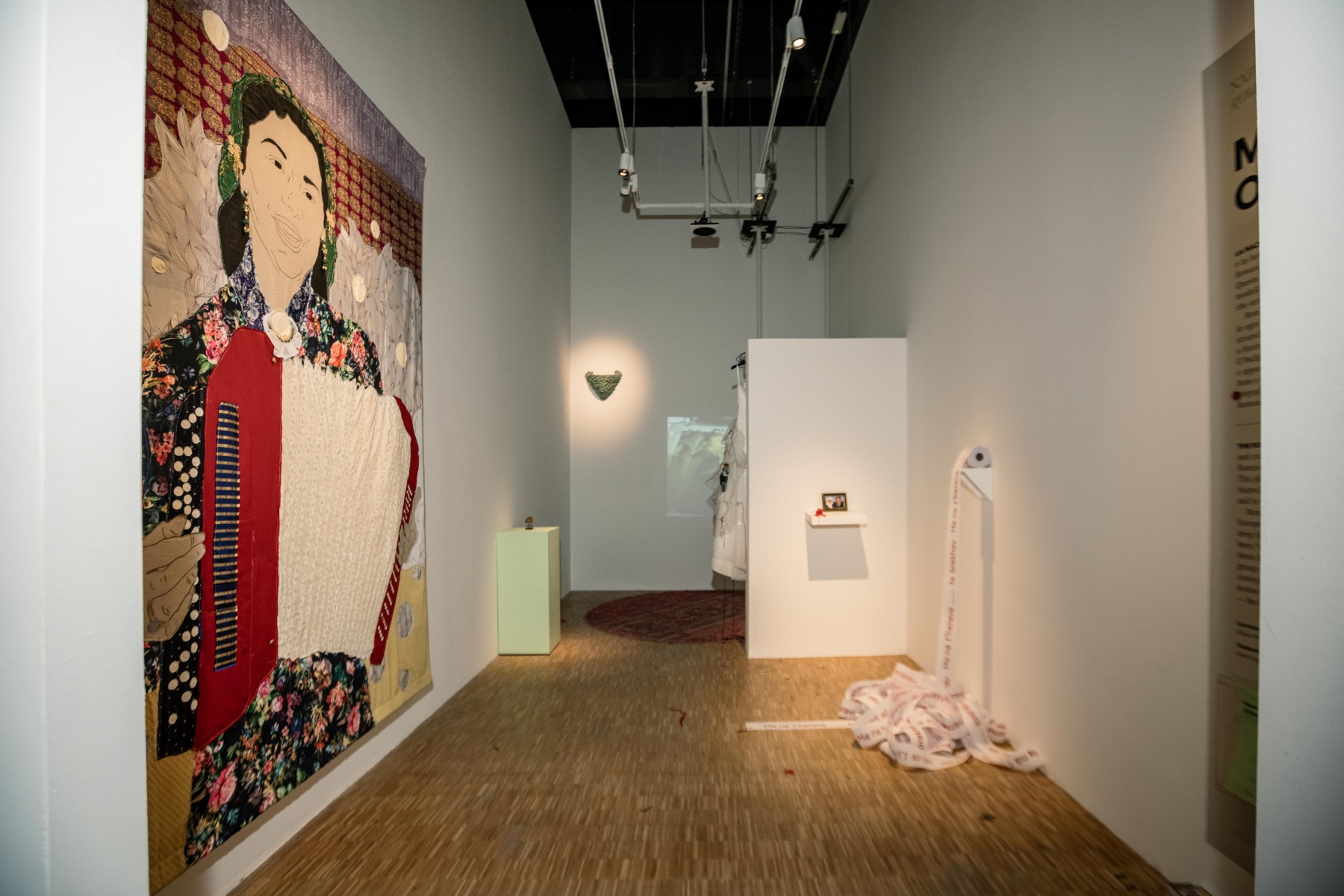
In 2025, the Roma and Sinti flag will be raised for the second time in the history of the Triennale Milano, affirming Roma representation among national pavilions not only as a symbol of recognition, but as a deliberate political and cultural statement. As part of the 24th Triennale Milano International Exhibition, held under the theme “Inequalities,” the Roma Pavilion will host the exhibition “Motherland Otherland”, offering a profound exploration of belonging, exclusion, and resilience.
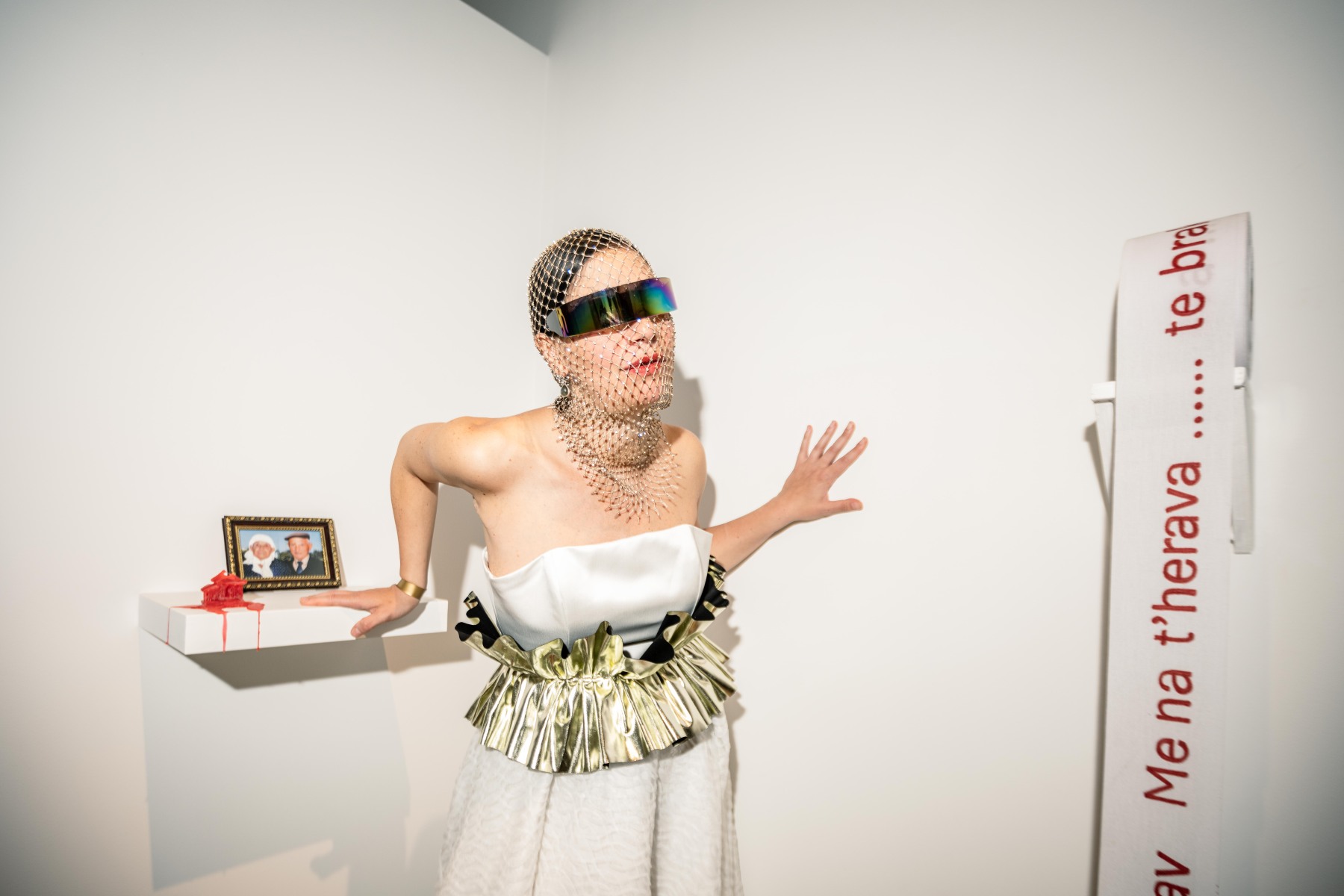
Curated by Roma actress and activist Dijana Pavlovic and filmmaker and visual artist Hanna Heilborn, Motherland Otherland presents the work of internationally renowned Roma and Sinti artists: Małgorzata Mirga-Tas (Poland), Sead Kazanxhiu (Albania), Luna De Rosa, Noèll Maggini, Miguel Fiorello Lebbiati (Italy), and Béla Váradi (Hungary/United Kingdom). Together, these artists reframe the concept of “home” beyond its physical manifestation, positioning it as a contested social construct intertwined with systems of inclusion, exclusion, and systemic marginalization.
The exhibition challenges narratives of dispossession by centering Roma and Sinti histories of resilience, cultural resistance, and creative reinvention. Through oral traditions, music, visual and performing arts, Roma people have historically asserted presence, resisted imposed narratives, and reclaimed agency. Motherland Otherland offers a collective artistic gesture toward a future grounded in coexistence, equality, and dignity — an “Otherland” that reimagines belonging as a dynamic and inclusive process.
The participation of the Roma Pavilion at the 24th Triennale Milano further cements the growing international recognition of Roma arts, culture, and political agency. It builds upon the ongoing efforts of Roma institutions and cultural leaders to challenge exclusion, advocate for representation, and celebrate Roma creativity on major global stages.
Berlin Biennale
ERIAC participates as one of the sister organizations of the 13th Berlin Biennale for Contemporary Art. Partnering alongside Filmrauschpalast Moabit at Kulturfabrik, Sinema Transtopia, and the Sophiensæle, ERIAC strengthens its role as a cultural institution deeply embedded in Berlin’s artistic landscape. This collaboration reflects a shared dedication to artistic practices that challenge historical erasure and amplify the voices of communities pushed to the margins.
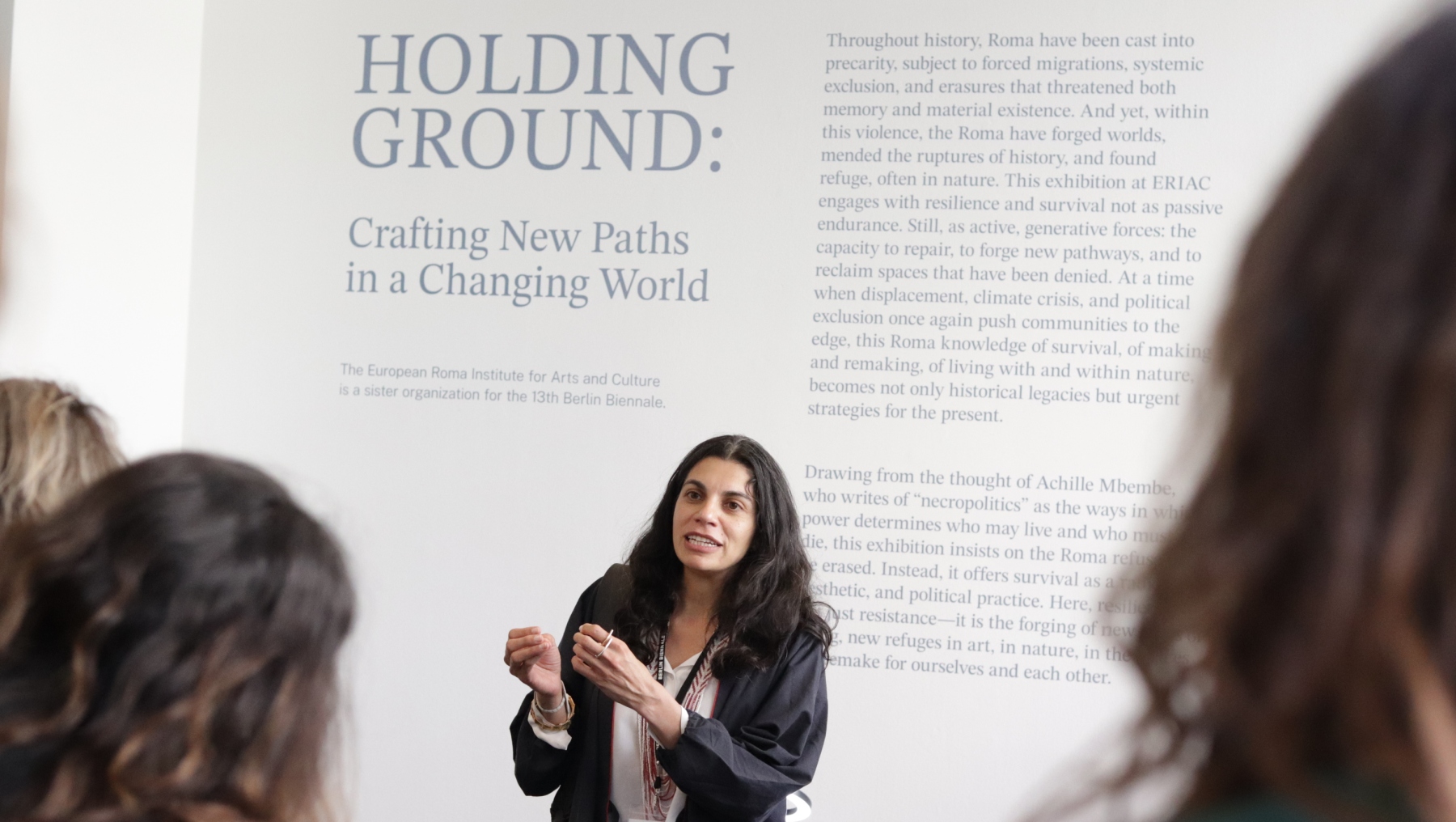
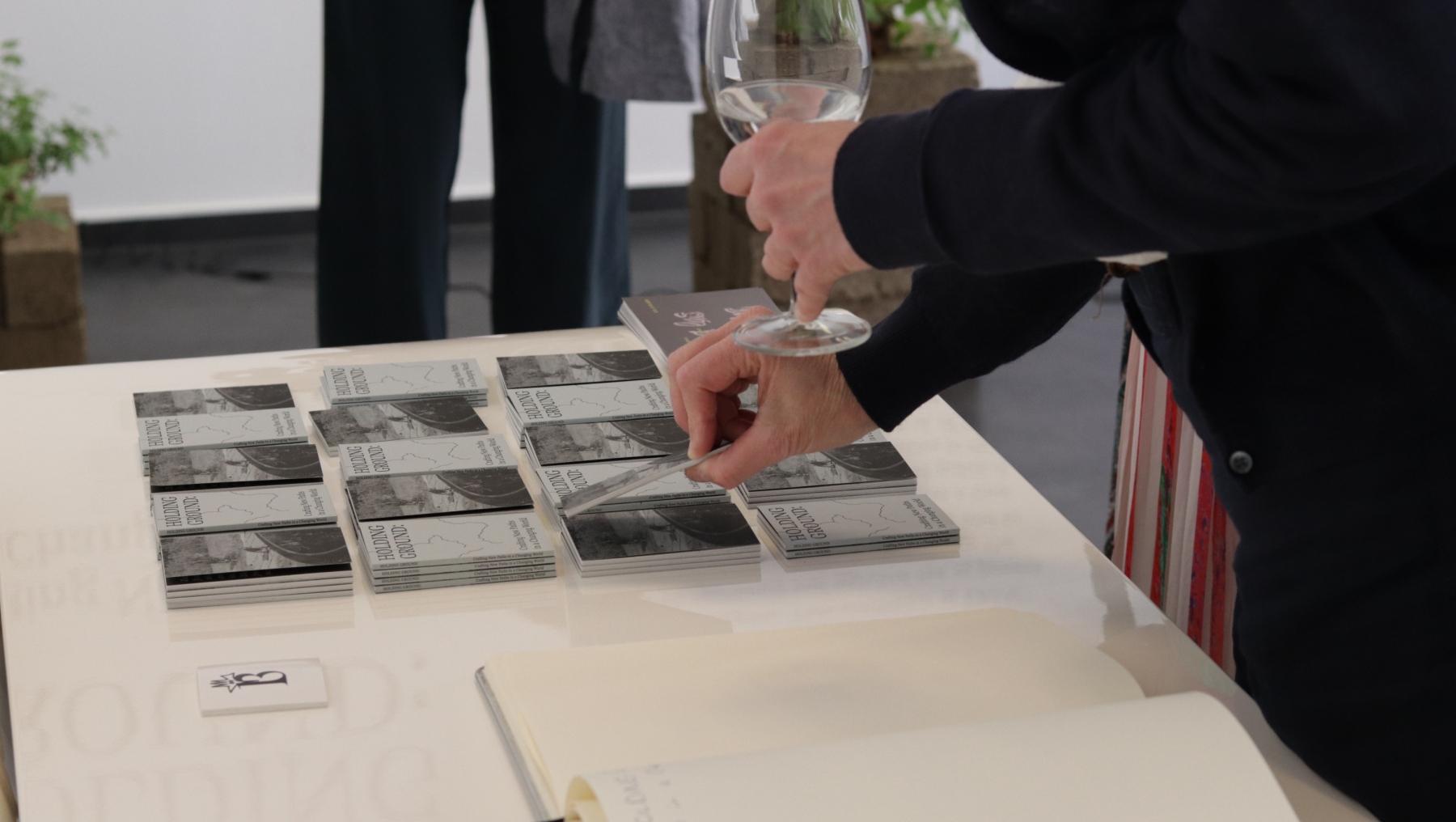
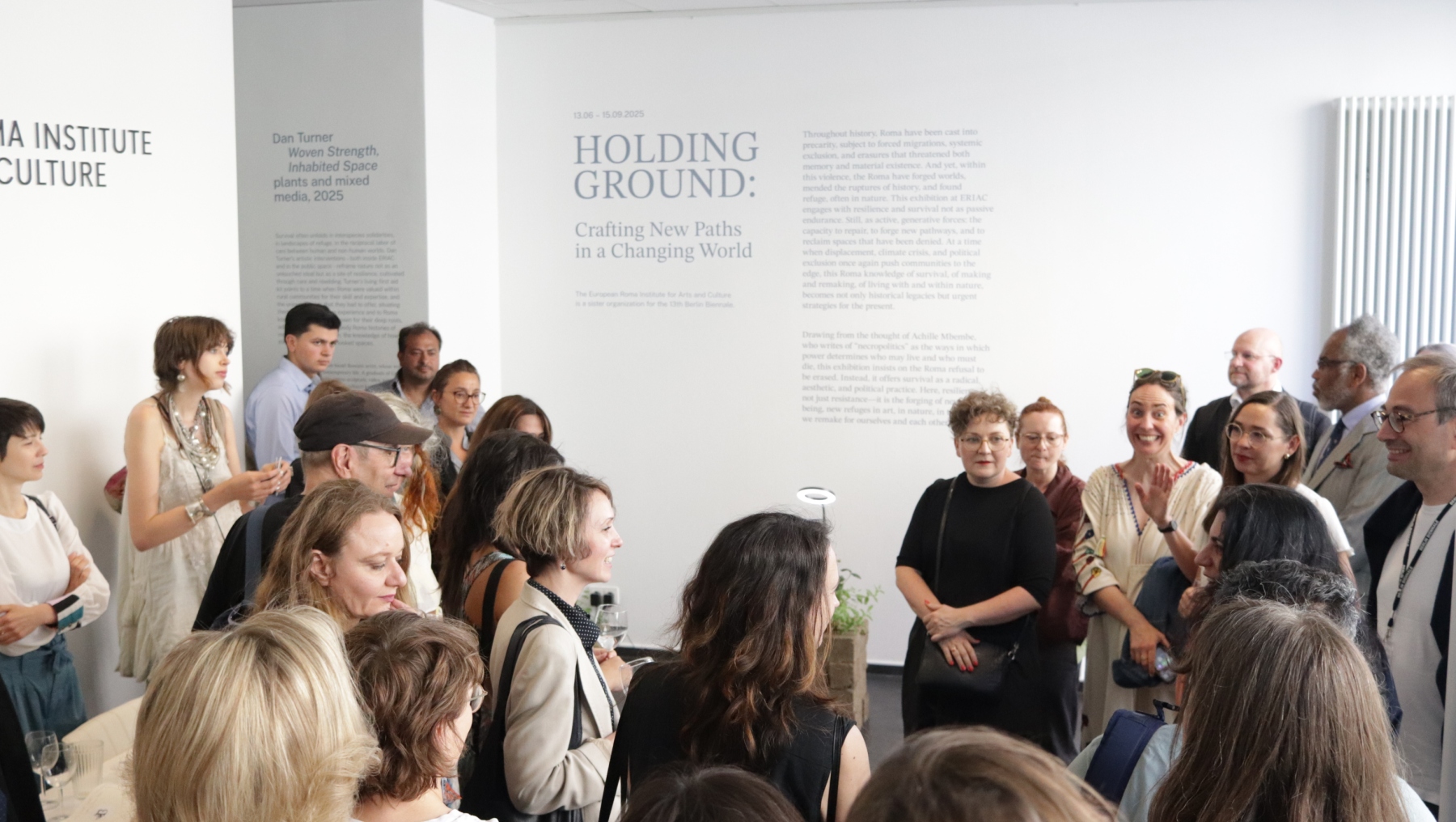
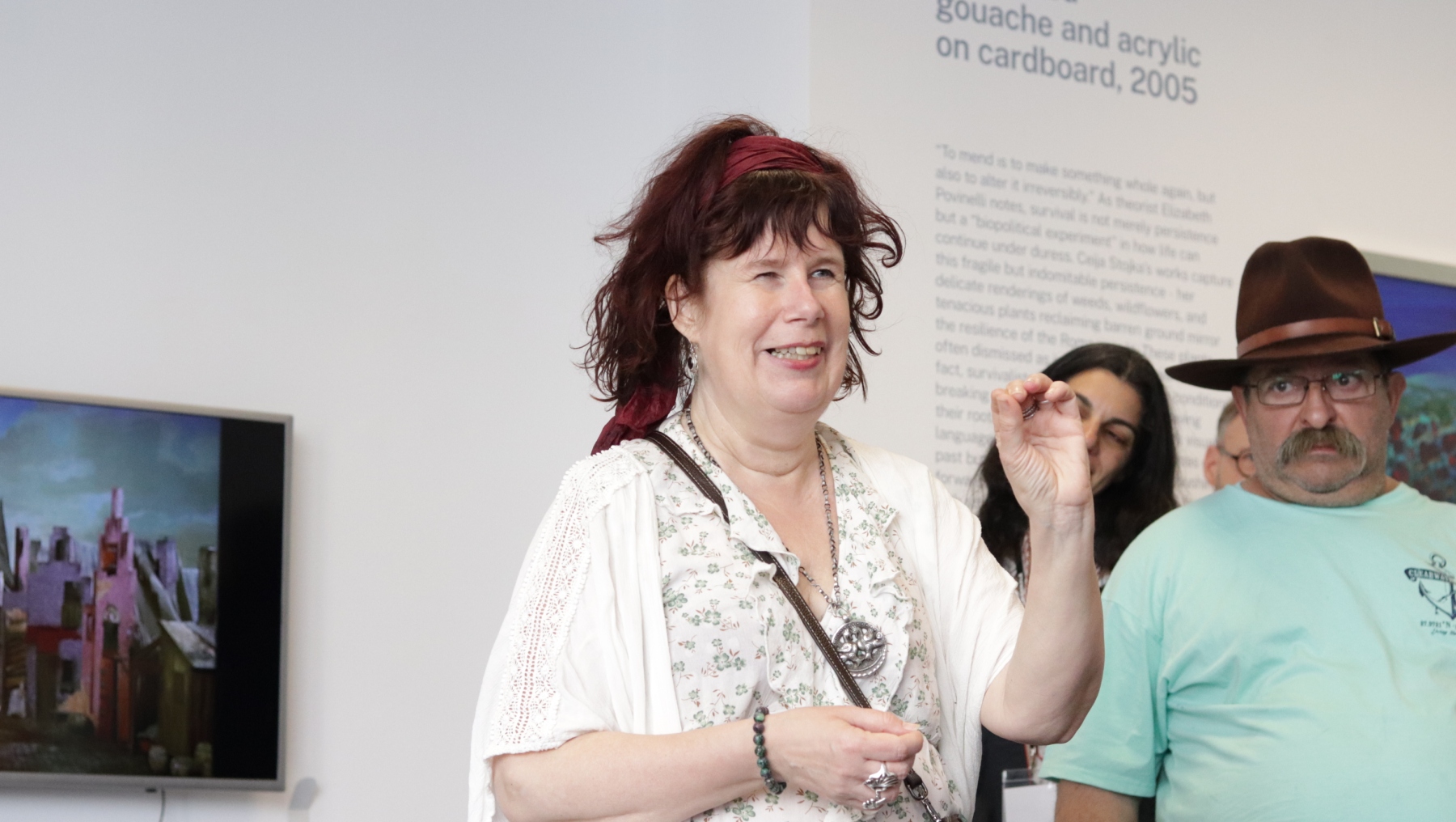
Curators Zasha Colah (Berlin Biennale) and Timea Junghaus (ERIAC) bring into dialogue intersecting perspectives that explore resilience not as a passive state, but as a transformative force – an insistence on survival through creativity, restoration, and reimagining. Within this conceptual framework, ERIAC presents the exhibition “HOLDING GROUND: Crafting New Paths in a Changing World” at its gallery space and in adjacent public locations as part of the 13th Berlin Biennale. The project engages resilience and survival as active, generative forces, addressing contemporary crises of displacement, environmental degradation, and social exclusion.
HOLDING GROUND features three distinguished artists:
- Katariina Lillqvist (Finland), whose puppetry and film work reimagine Roma histories of endurance through folklore and artisanal craft;
- Daniel Turner (United Kingdom), whose botanical interventions in public space foreground Roma ecological knowledge and interspecies solidarity;
- Lajos Gábor (Romania), whose coppersmithing and urban mending reclaim forgotten spaces through acts of intimate repair and care.
Each artist offers a distinct response to the exhibition’s central themes of survival, resilience, and the reclamation of cultural and natural spaces. Through their works, the exhibition positions Roma survival strategies as urgent models for a rapidly changing world.
ERIAC’s participation in the 13th Berlin Biennale reflects the Institute’s ongoing commitment to positioning Roma arts and culture within major international contemporary art frameworks. Building on previous high-profile participations, such as at documenta fifteen and the Venice Biennale, ERIAC contributes to a continuously expanding infrastructure for Roma artistic excellence, encourages transnational solidarity, and promotes Roma cultural narratives on the global stage.
Community engagement
In 2025, the community engagement pilot project—implemented by ERIAC—will focus on two priority locations out of a broader set of eight identified through prior research and consultations. These sites were selected based on their strong potential for local impact and community readiness. The full list of localities includes Shuto Orizari (North Macedonia); Tvrdica, Kaspican, Mglizh, Kotel, Vrshec, and Rakitovo (Bulgaria); and Kostolac (Serbia).The pilot aims to stimulate civic participation and local leadership, and support cultural and educational initiatives in close collaboration with Roma communities. By concentrating efforts in two localities during this initial phase, ERIAC will test scalable approaches and build a foundation for expanding the engagement model to the remaining locations in the future.
Membership
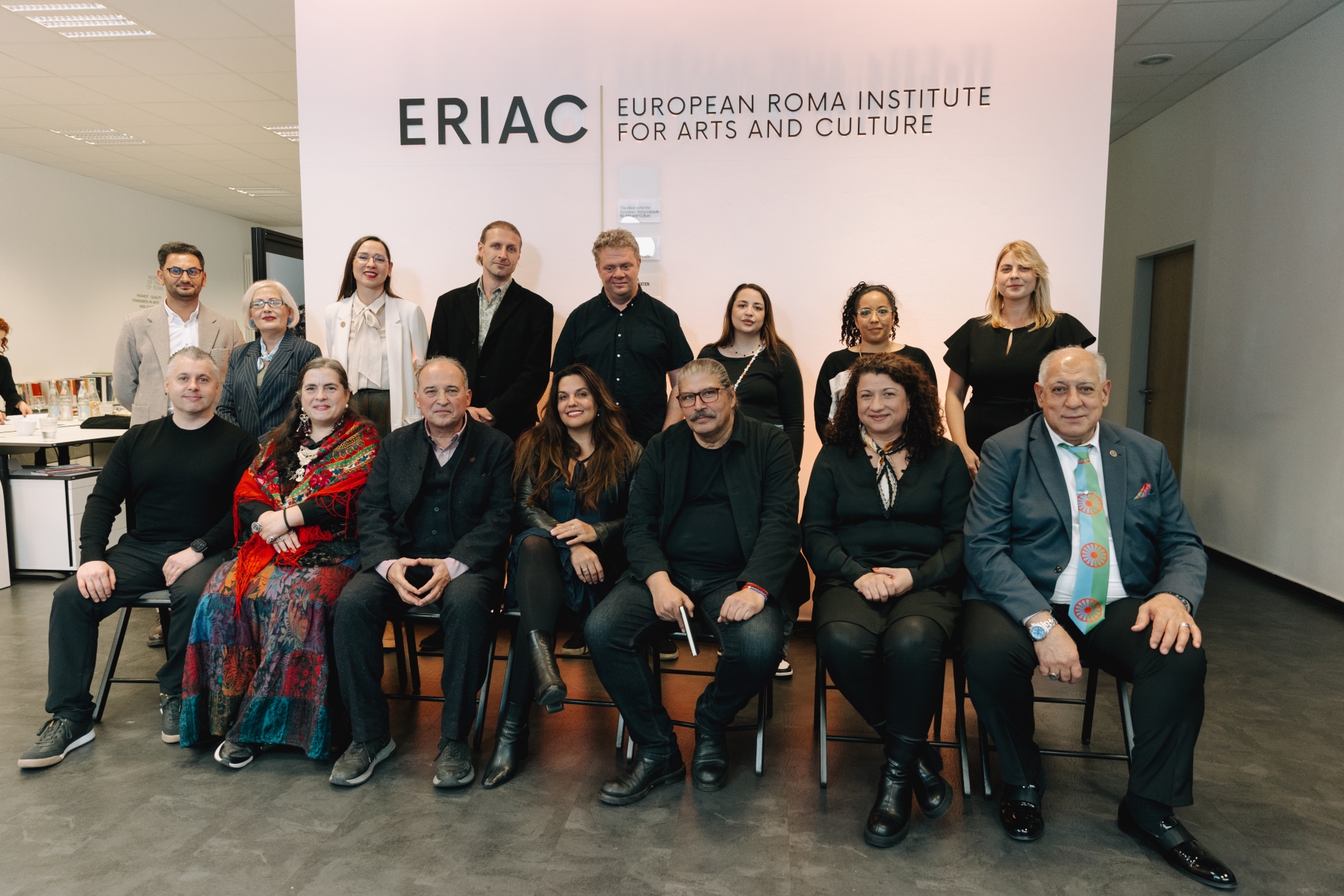
ERIAC is a membership-based organization consisting of Roma and non-Roma individuals and institutions active in arts, culture, research, media, and Romani language. Membership represents a transnational network of expertise, collaboration, and cultural production grounded in shared values and commitment to Roma cultural advancement.
Members are organized into five thematic sections: Arts and Culture, History and Commemoration, Research and Publication, Media and Information, and Romani Language. These structures support cross-sector collaboration and knowledge exchange across Europe.
Throughout 2024, ERIAC continued strengthening its membership structures through regular thematic meetings and the ERIAC General Assembly held in December in Berlin. The organization now includes over 200 members across individual and institutional categories.
The 2025 program further develops membership engagement, expanding communication, participation, and shared responsibility, while consolidating ERIAC as a collaborative transnational cultural network.
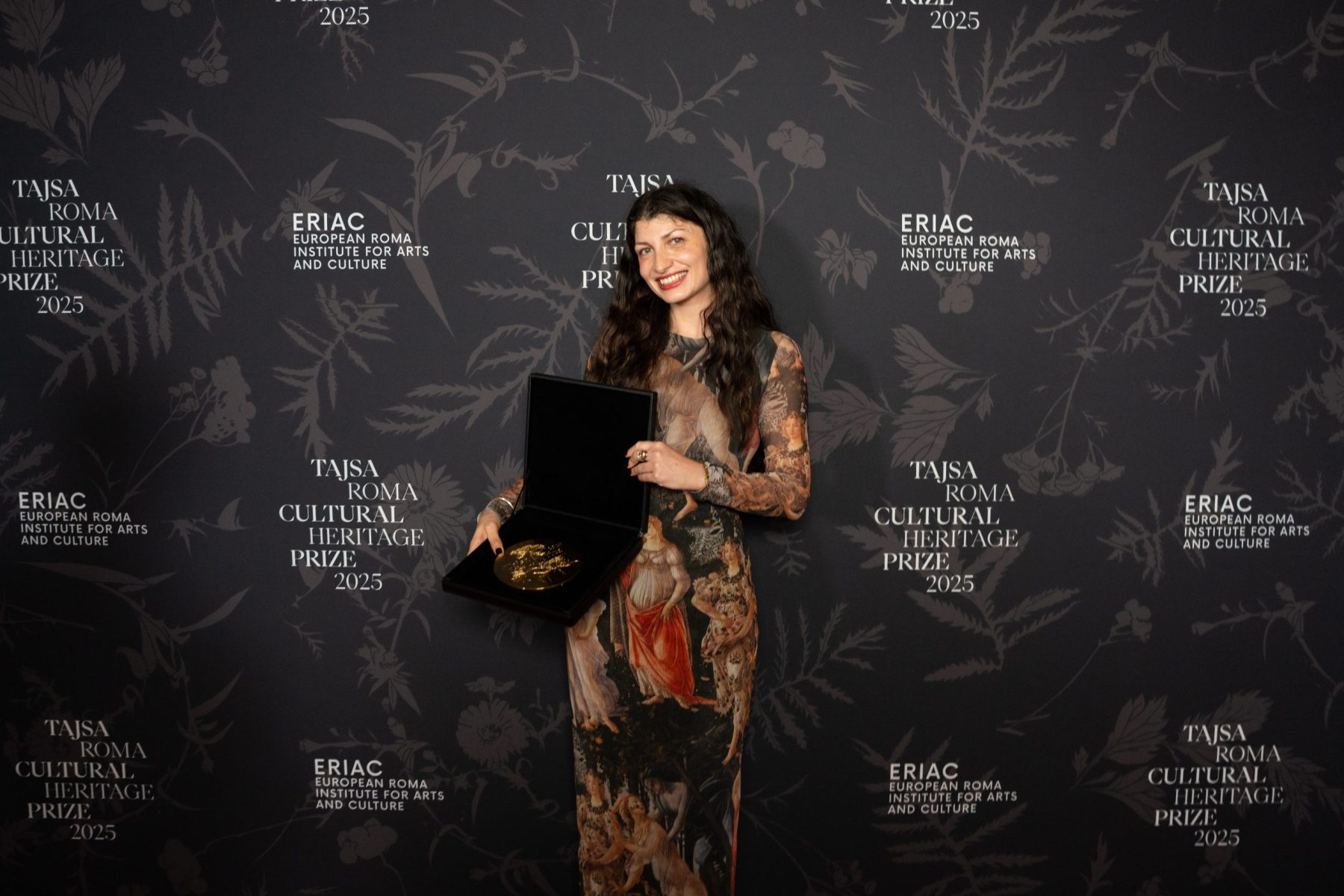
General Assembly & Tajsa Roma Cultural Heritage Prize
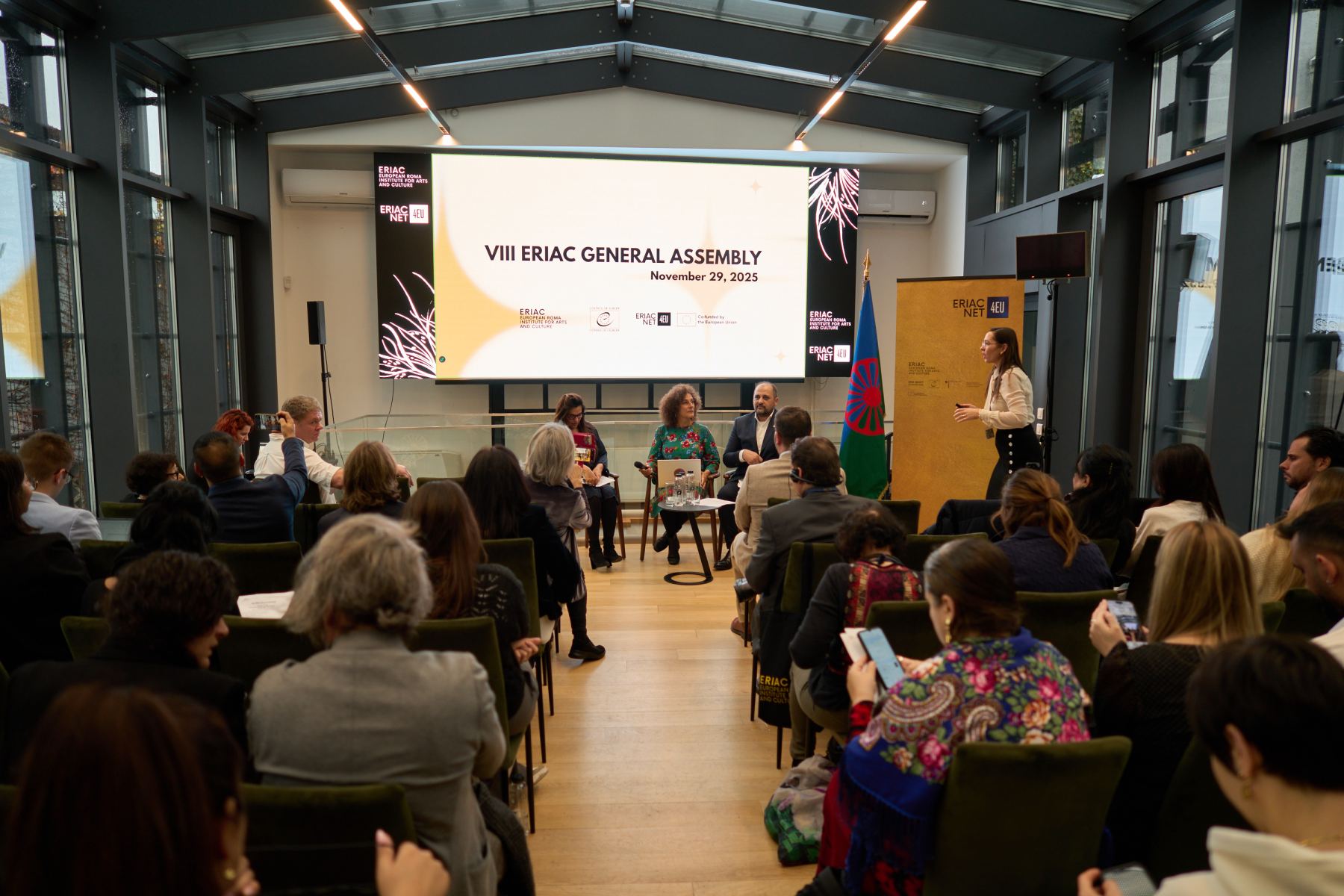
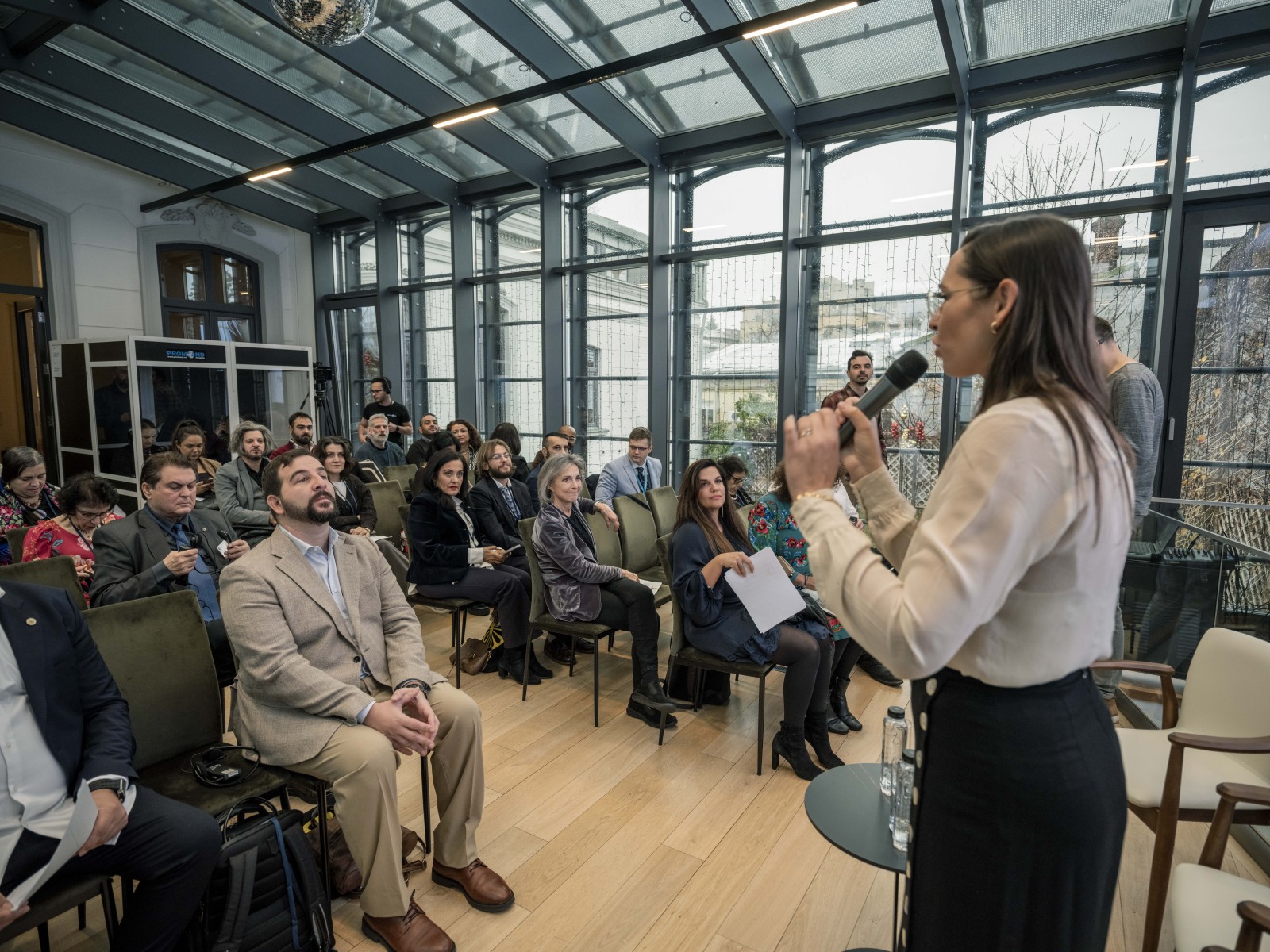
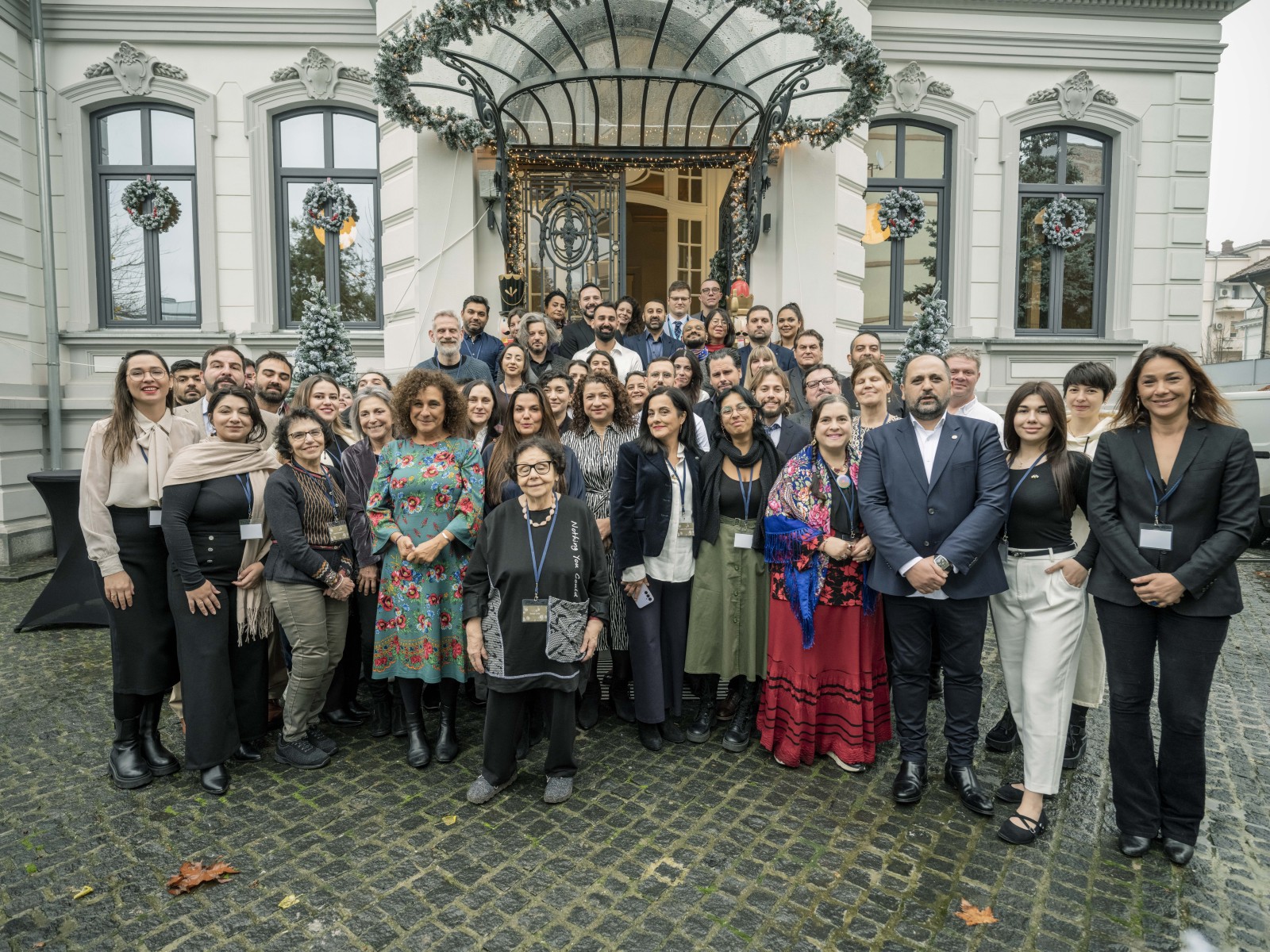
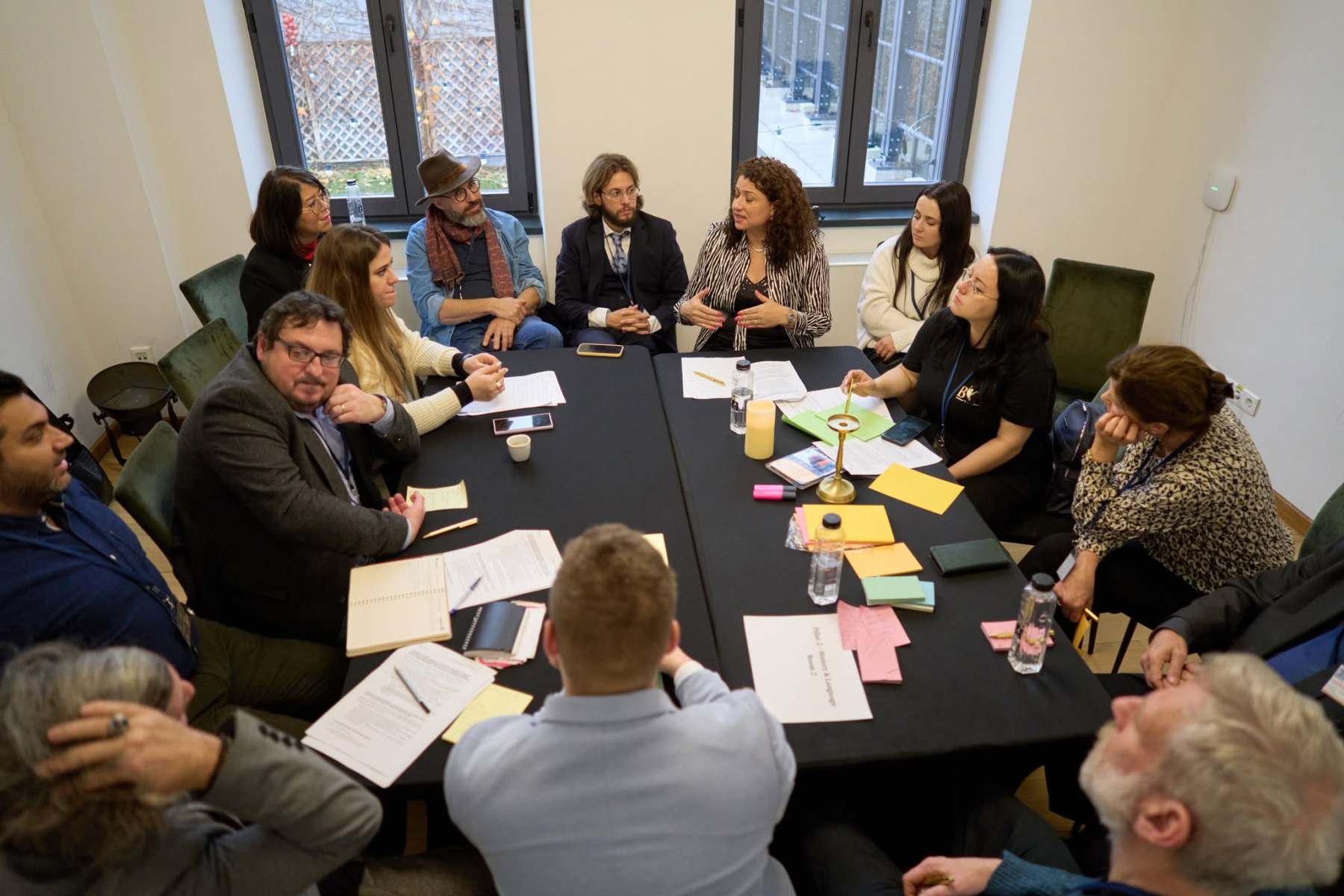
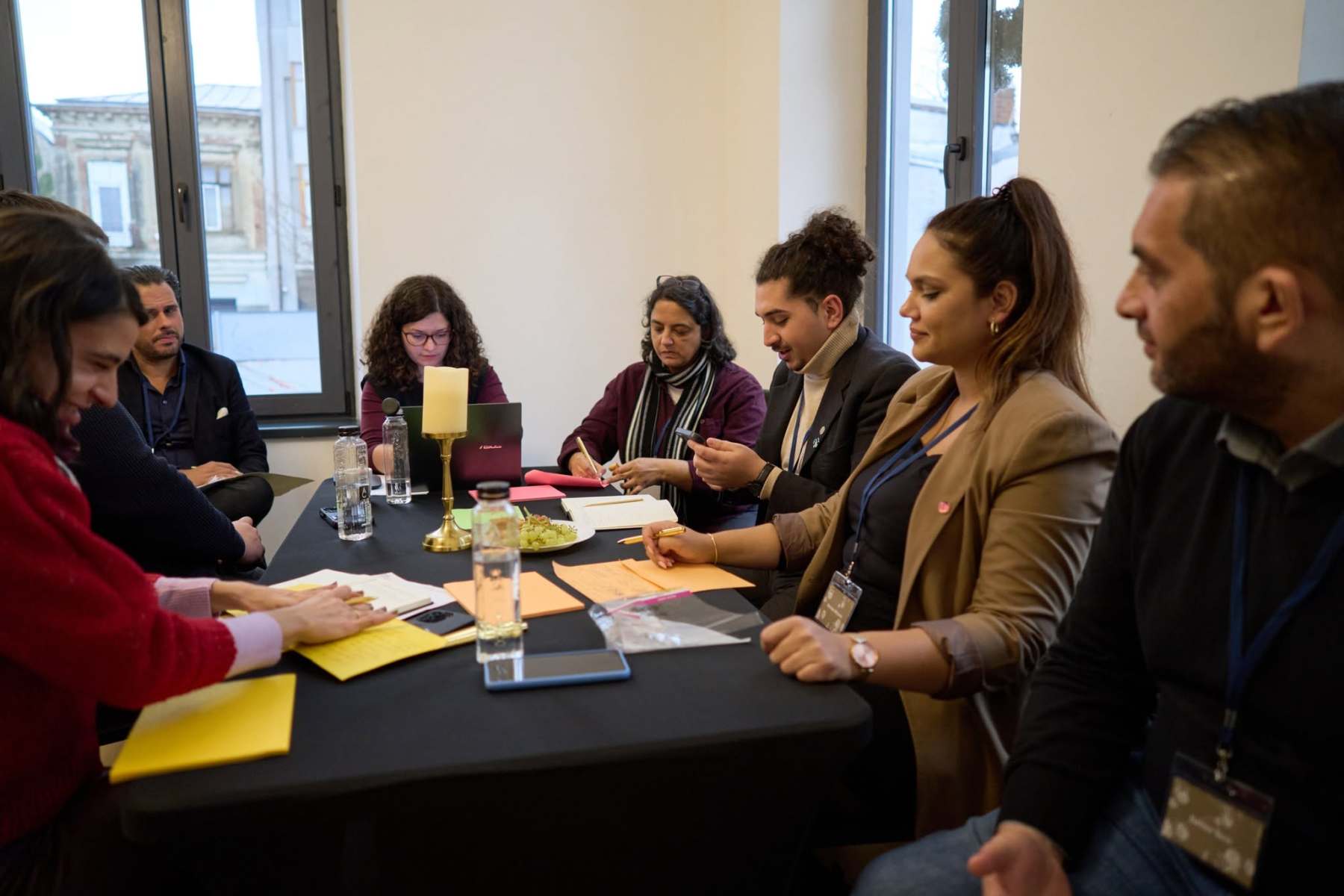
The 2025 ERIAC General Assembly in Berlin will span two days, representing a significant milestone for the institute. Building on past successes, this assembly will convene associate members, representatives of the ERIAC Board, and ERIAC management for collaborative discussions. The primary focus will be on setting ERIAC’s strategic direction and developing its community of associative members. Additionally, attendees will engage in open dialogue sessions, providing an opportunity for questions and answers with ERIAC leadership. Following the General Assembly, the event will transition into a vibrant celebration of Roma arts and culture, the Tajsa Roma Cultural Heritage Prize.
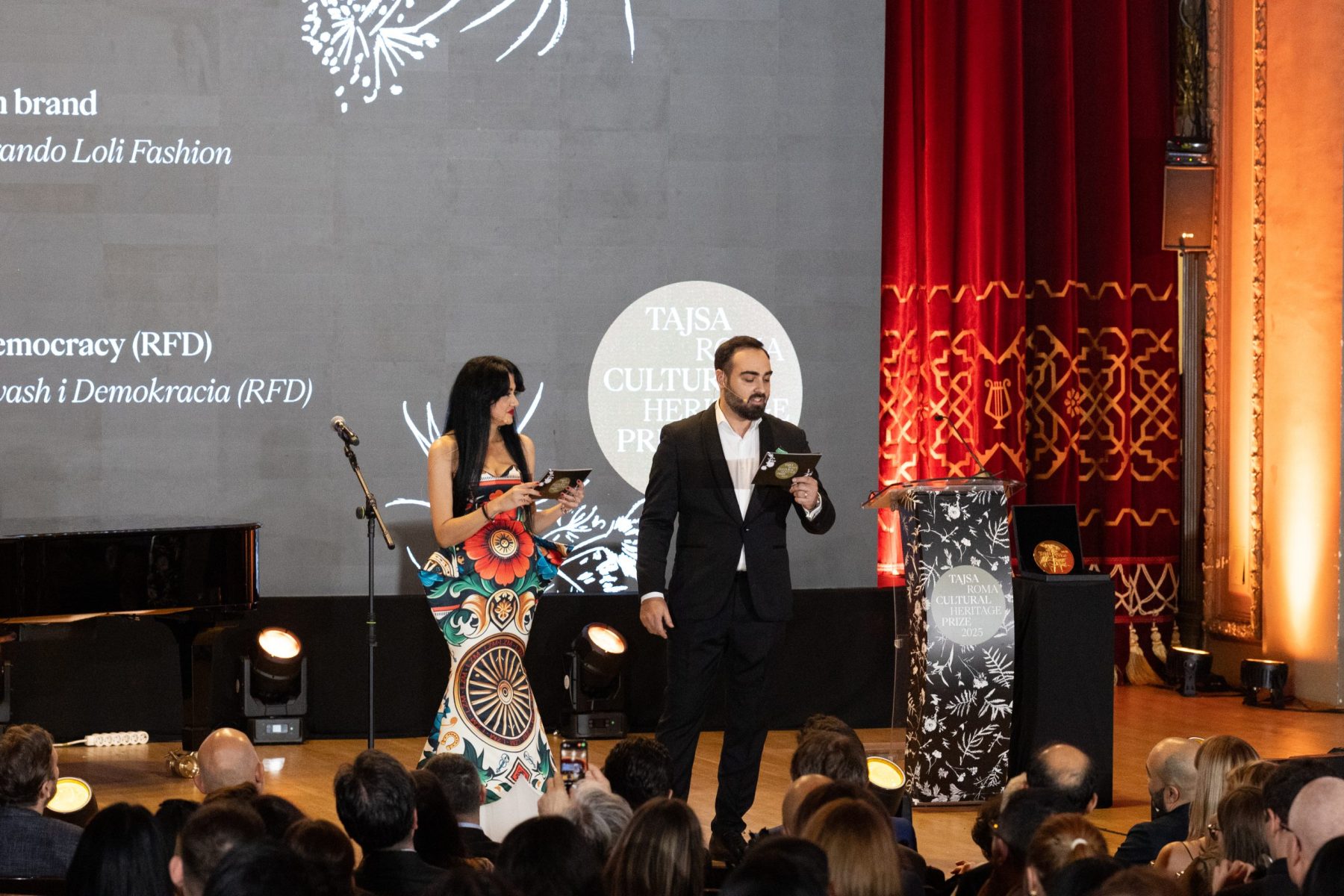
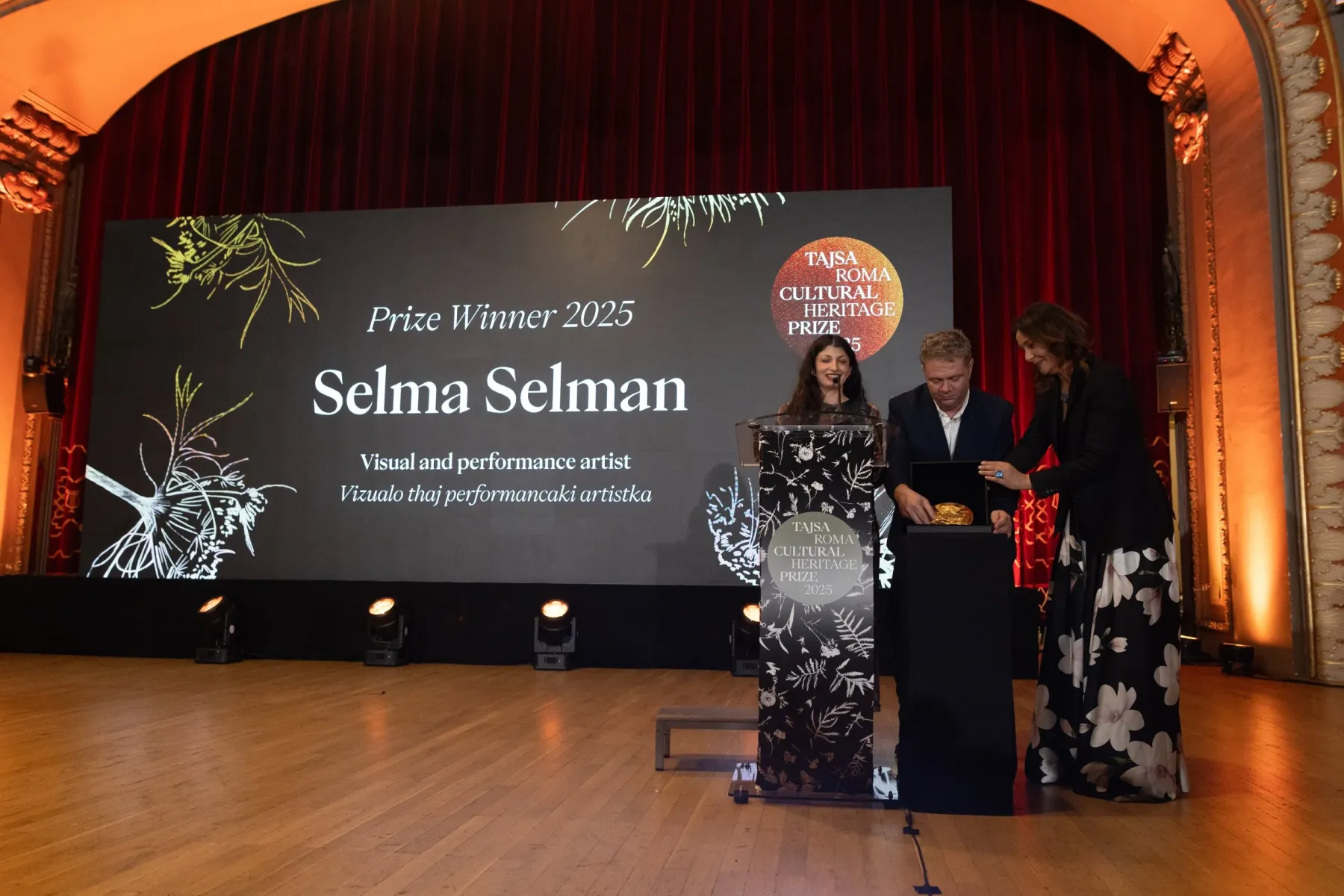
Launched in 2019 by ERIAC, the biennial Tajsa Roma Cultural Heritage Prize honors an outstanding Roma individual whose work draws from Roma cultural heritage, enriching and reinventing Roma artistic and cultural expression for the next generations. Embodying ERIAC’s founding principles, the Prize celebrates individuals whose creative and intellectual achievements foster Roma pride, cultural resilience, and innovation. The Tajsa Prize consists of a financial endowment of EUR 5,000 and a symbolic award.
The Prize recognizes Roma individuals working across a wide range of fields, including visual arts, performing arts, literature, photography, film, design, dance, music, fashion, scholarship, critical thinking, journalism, media production, and new media. By highlighting contemporary Roma excellence across disciplines, the Prize positions its laureates as leading voices of the Roma cultural movement today.
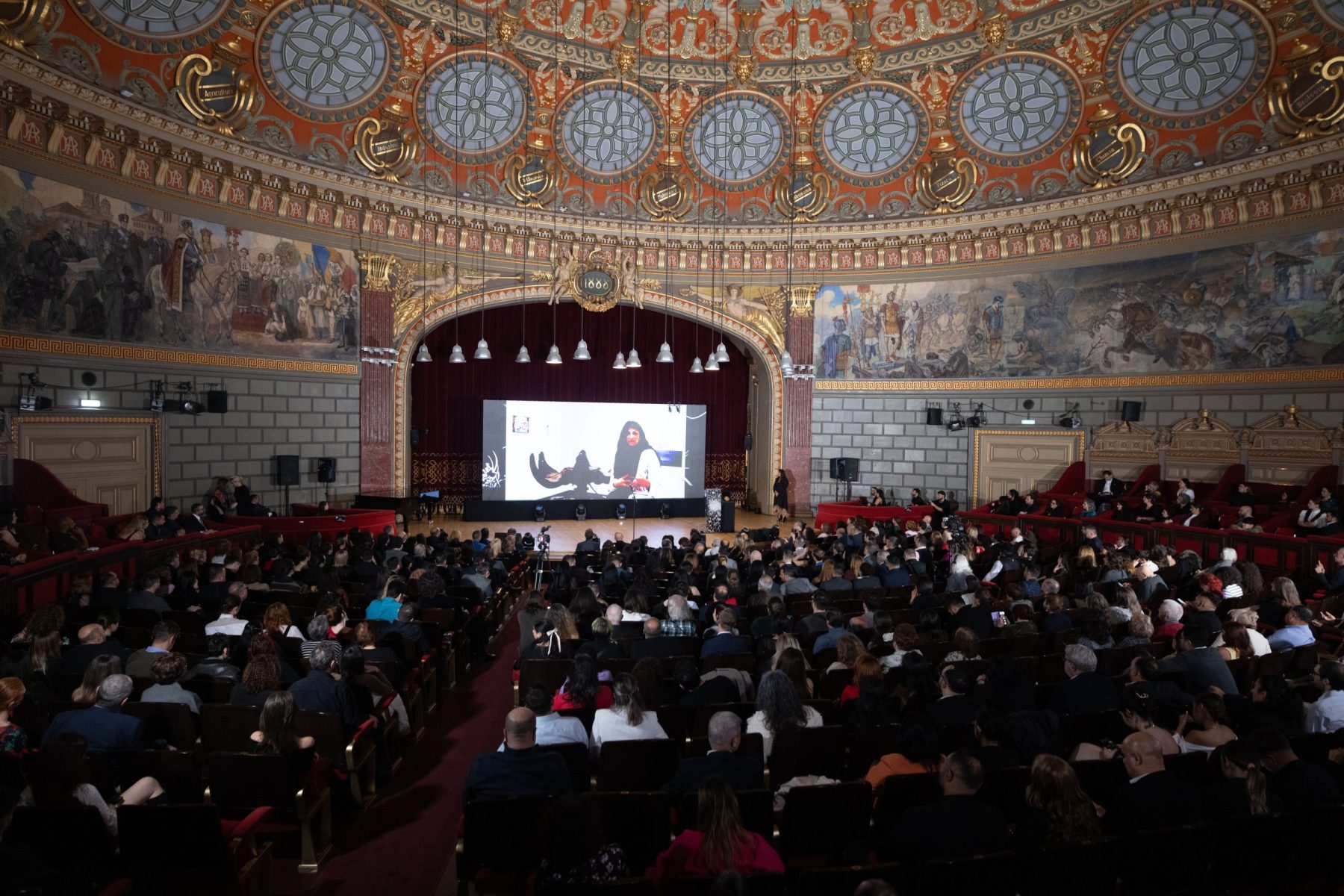
Since its launch, the Tajsa Prize ceremonies have been held in prominent venues across Europe: in 2019 at the Maxim Gorki Theater in Berlin, in 2021 at the National Theater in Belgrade, and in 2023 once again in Berlin. In 2025, the Tajsa Prize Ceremony will be hosted at the prestigious Romanian Athenaeum in Bucharest.
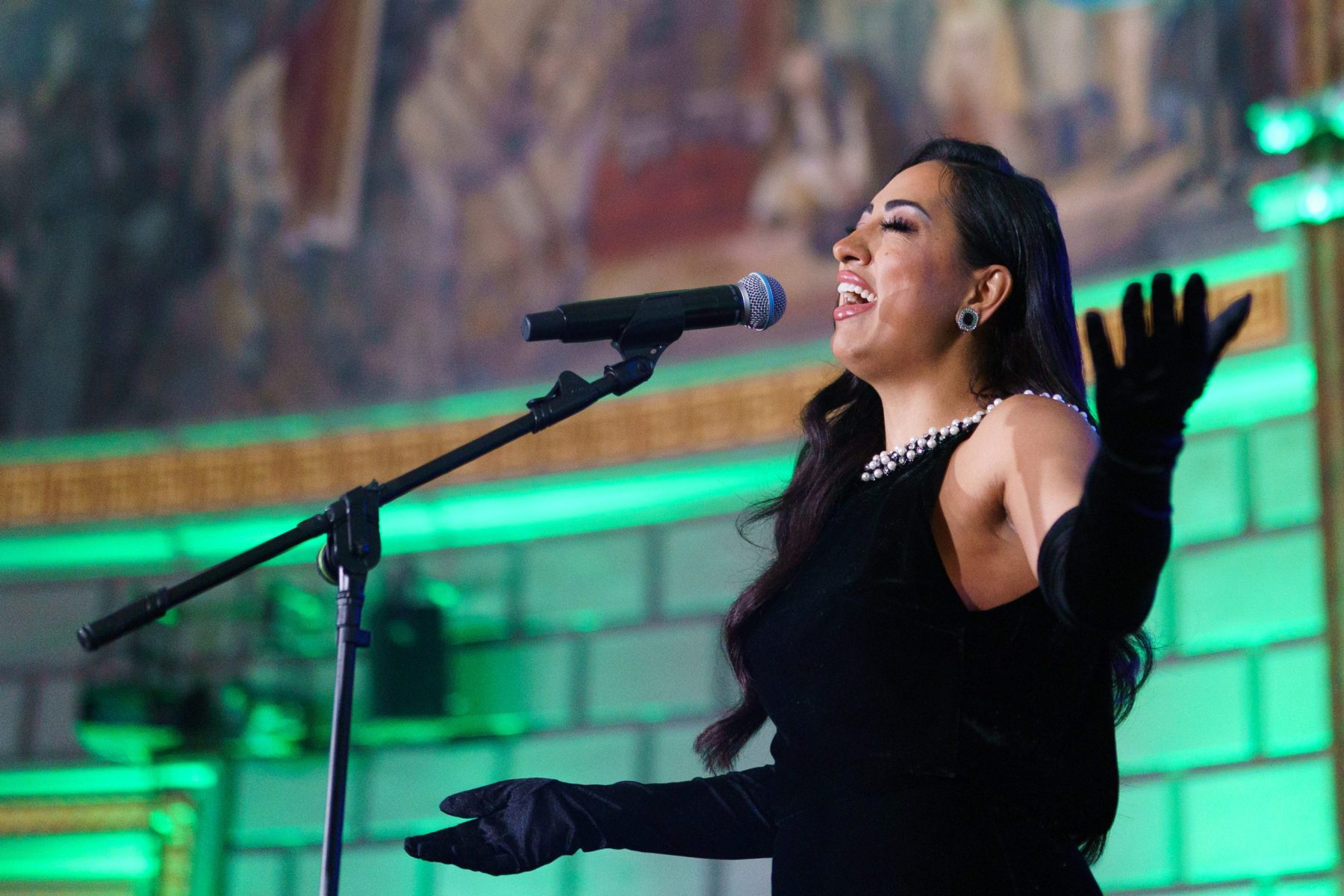
The Tajsa Prize Ceremony represents the most prestigious diplomatic and cultural event organized by ERIAC, traditionally gathering the ERIAC community — including associate members, board members, Barvalipe Academy members – alongside international diplomatic corps, political leaders, and cultural figures. Featuring world-renowned Roma performers and artists, the ceremony will celebrate the creativity, virtuosity, and cultural resilience of Roma people across Europe and beyond.
The 2025 Tajsa Prize will mark the culmination of ERIAC’s eighth cycle of international programming under the International Cultural Outreach Program, supported by the German Federal Foreign Office, continuing ERIAC’s mission to promote Roma arts, culture, and identity on an international scale.