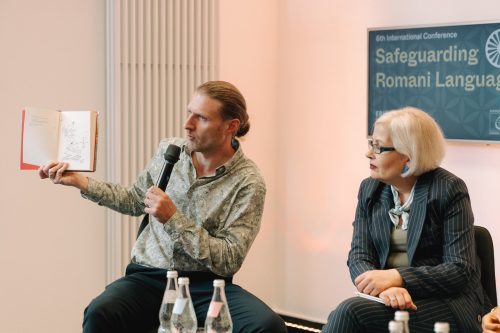
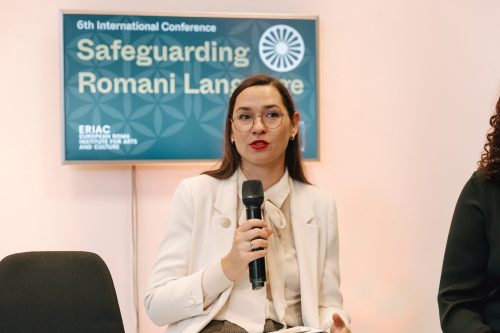
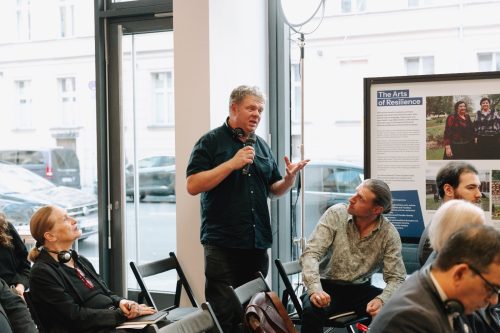
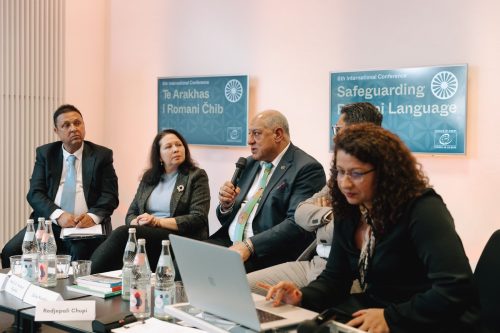
Safeguarding Romani Language | International Romani Language Day Conference, 6th Edition
The Romani language stands at the heart of Roma identity, community belonging, and social participation. In the context of European and global migration, its role becomes even more significant: it is both a marker of heritage and a living tool of communication that unites Roma across borders and dialects.
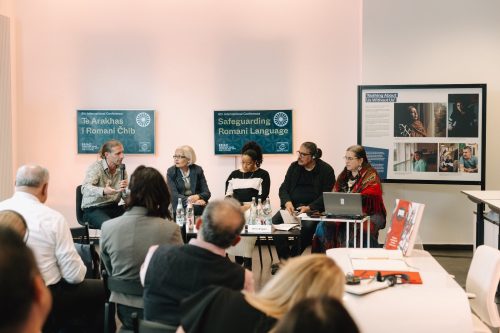
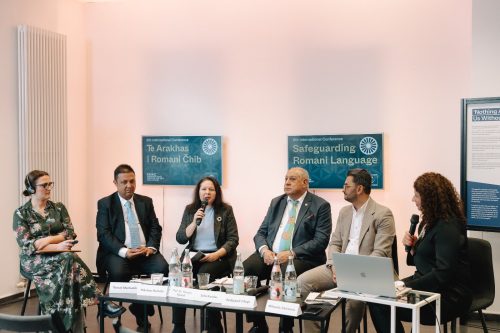
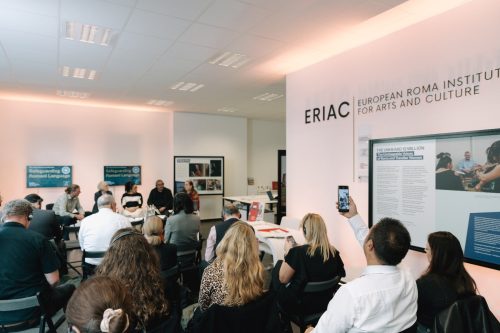
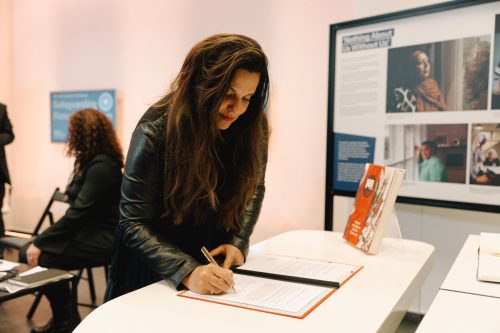
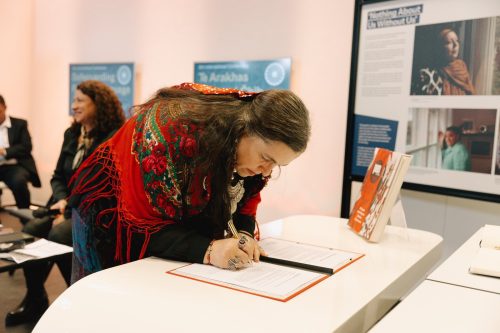
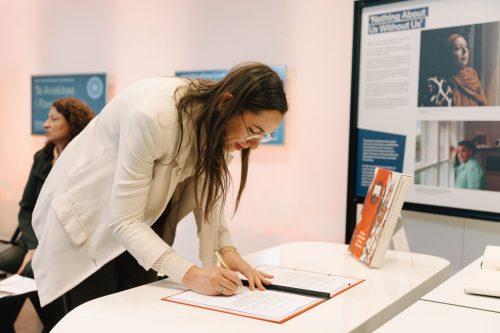
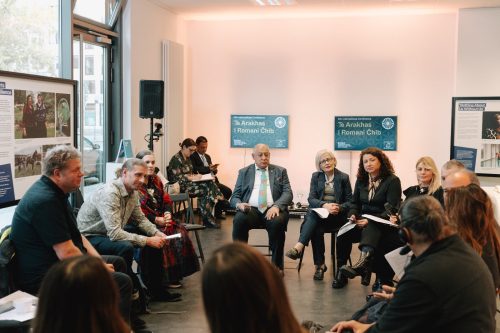
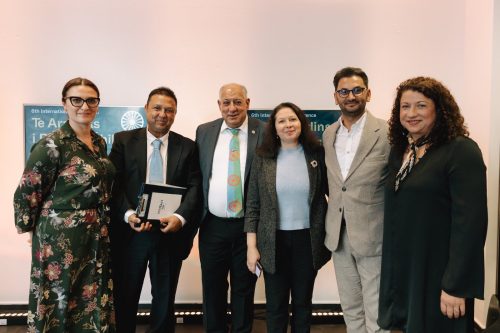
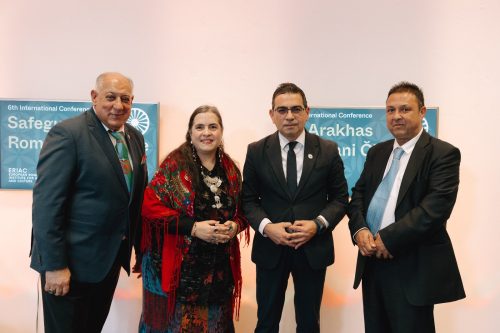
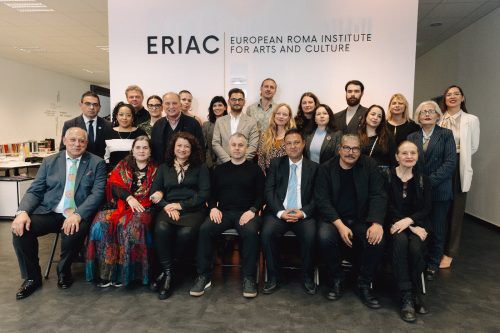
The European Roma Institute for Arts and Culture (ERIAC), in partnership with the Council of Europe’s Roma and Travellers Division, proudly presents the 6th International Conference – Safeguarding Romani Language. The conference will take place on November 5th, 2025, at the ERIAC’s premises in Berlin, with live streaming available to allow participation from across the globe.
The event marks a vital part of ERIAC’s Romani Language Initiative, which began in June 2020 as part of the Roma Cultural History Initiative, supported by the German Federal Foreign Office. The conference gathers international experts in Romani language education, linguistics, and cultural heritage, uniting voices from academia, government, and community organizations to continue advancing the International Romani Language Reform. Together, they will explore strategies to preserve and promote the Romani language through the harmonization of Romani usage across borders.
By bringing together policy representatives, linguists, Roma writers, cultural producers and academics, the discussion will highlight the multiple dimensions of Romani.
This year’s conference also marks the next phase in the formation of the Romani PEN Center, an aspiring member of the global PEN International network of writers. The initiative seeks to unite Romani writers, poets, translators, and language advocates across Europe and beyond, strengthening transnational collaboration and amplifying Roma voices in the international literary landscape. ERIAC will gather founding members to approve the statute and formalize the creation of this long-awaited platform for Romani literary professionals.
Online participation in the 6th Edition of the Safeguarding Romani Language Conference is available upon registration via Zoom at:
https://us02web.zoom.us/webinar/register/WN_4KOnWmnnQDuuVVQSBA9fwA#/registration
AGENDA
10.00 – 10.30 Welcome address
Anna Mirga-Kruszelnicka, Deputy Director, European Roma Institute for Arts and Culture
Georgios Stamatis, PACE General Rapporteur on Roma and Travellers, Council of Europe
Mihaela Zatreanu, leader of the ERIAC Romani Language initiative, PhD Student, School of Advanced Studies of the Romanian Academy (SCOSAAR)
Poetry by Nedjo Osman and Sevdija Demirova Abdulova
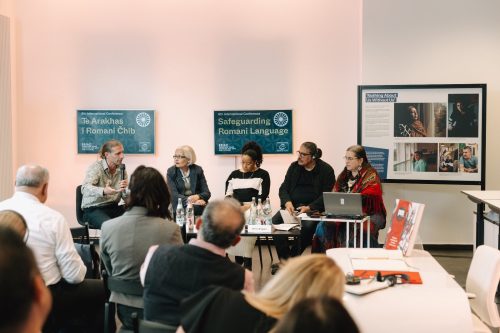
10:30 – 12:00 Panel 1: THE ROMANI LANGUAGE AS A PATHWAY TO IDENTITY, EQUITY, AND INCLUSION: TOWARDS A COMMON EUROPEAN AND GLOBAL FRAMEWORK (panel in Romani language)
Objective
To examine the importance and impact of the Romani language on Roma identity, equity, and social inclusion in the European and international Roma migration context. The panel will highlight why strengthening a common Romani language through dialect harmonisation is crucial for Roma empowerment and social participation and inclusion.
Redjepali Chupi, Director of REF Serbia and North Macedonia
Zola Kondur, Project Coordinator, Council of Europe Office in Ukraine
Hristo Kyuchukov, Professor of Linguistics and Intercultural Education, Director of the Roma Research Center, University of Silesia, Katowice, Poland
Theoni Martzakli, Philologist/ Editor of the book “Gogi” and Nikolaos Batzalis, Author of the book “Gogi”
Moderator: Mihaela Zătreanu, leader of ERIAC Romani Language initiative, , PhD Student, School of Advanced Studies of the Romanian Academy (SCOSAAR)
Moderated discussion Q&A: Exploring pathways to a “Common Romani Language Framework” that supports identity and inclusion.
12.00 – 13.00 LUNCH
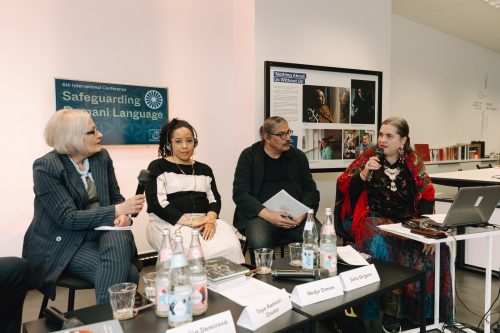
13.00 – 14.30 Panel 2: THE ROLE OF LITERATURE IN PRESERVING ROMANI LANGUAGE (panel in English and Romani languages)
Objective
The objective of the panel is to bring together Roma writers and poets to explore the vital role literature plays in preserving and promoting the Romani language. Through shared experiences and creative expression, the panel aims to highlight how storytelling, poetry, and written works contribute to the survival and revitalization of Romani linguistic and cultural heritage. Participants will identify key challenges facing Romani-language literature today, such as limited publishing opportunities, lack of institutional support, and the risk of language erosion. The discussion will also focus on setting priorities for the future and sharing good practices that support the development of Romani-language literary work, encouraging both cultural pride and intergenerational transmission.
Damian Le Bas Jr, writer and journalist, award-winning author of The Stopping Places (2018) and The Drowned Places (2025)
Tayo Awosusi-Onutor, writer, singer, author of Jokesi Club children’s book series
Sevdija Demirova Abdulova, author, journalist, public relations advisor
Nedjo Osman, poet, artistic director of the TKO Theater company Köln
Moderator: Delia Grigore, writer, poet, and scholar
14.30 – 14.45 Conclusions and closing
Anna Mirga-Kruszelnicka, Deputy Director, European Roma Institute for Arts and Culture
15.00 – 17.00 OFFICIAL LAUNCHING OF THE ASPIRING ROMANI PEN CENTRE (closed session for the founding members of the aspiring Romani PEN Center in presence of Carles Torner, Vice President, PEN International)
The conference takes place in Romani and English with simultaneous translation to both languages.
I Konferencia vaš o Internacionalo Dives le Romane Čhibjako “Te Arakhas i Romani Čhib”, 6-to edicia
I romani čhib bešel ando ogi le romane identitetako, le phandimasko ki komuniteta thaj andi socialo participacia. Ando konteksto le Evropune thaj globalo migraciako lako rolo aresel vi maj signifikanto: voj si vi jekh markero barvalimasko thaj jekh dživdo instrumento komunikaciako kaj phandel le romen perdal e granice thaj dialekturja.
Le Evropako Romano Instituto vaš Arte thaj Kultura (ERIAC), ando parteneriato Evropake Konsilosa, i Divizia le Romengi thaj Phirutnengi, prezentisaren barikanes i 6-to Internacionalo Konferencia – Te Arakhas i Romani Čhib. I konferencia si te inkerel pes ando 5-to Novembro, 2025, ando ofiso le ERIAC-esko andar o Berlino, transmisiasa live te šaj te ovel participacia opral sasto sumnal.
O ivento markisarel jekh vašno rig andar le ERIAC-eski Romane Čhibjaki Iniciativa, savi astadjas andi Juni 2020 sar kotor andar i Romani Kulturalo Historikani Iniciativa, džutisardi katar o Germanikano Federalo Ofiso vaš Avrikane Butja. I konferencia anel khetanes internacionalo eksperturja pal i romani čhib thaj edukacia, lingvistika thaj kulturalo barvalipe, thovindos khetanes e glasurja andar i akademia, guvernurja thaj komunitetake organizacie te ingeras maj dur i Internacionalo Romane Čhibjaki Reforma. Khetanes si te roden strategie te garaven thaj te promovisaren i romani čhib vaš i harmonizacia le romane vakerimaski perdal e granice.
Anindos jekhethaneste politikake reprezentanturja, lingvisturja, romane ramosarne, kulturalo produkatorja thaj akademikurja, i diskusia si te sikavel e verver riga le romane čhibjake.
Kadale beršeski konferencia markisarel vi i nevi faza vaš o keripe le Centrosko Romani PEN jekh šajutno membro ando globalo PEN Internacionalo netvorko le ramosarnengo. I iniciativa mangel te kidel jekhe thaneste le romane ramosarnen, poeturjen, translatorjen thaj čhibjake avokaturja andar sasti Evropa thaj perdal, te zorjarel i transnacionalo kolaboracia thaj te vazdel e romane glasurja ando internacionalo literaro konteksto. O ERIAC si te kidel le fondatoro membrurjen te aprobisaren o statuto thaj te formalizisaren o keripe kadale but adžukerde platformako vaš e romane literaro profesionisturja.
I online participacia andi 6-to Edicia le Konferenciaki Te Arakhas i Romani Čhib si šajtuni kana keren tumenge registracia po Zoom pe kado linko: https://us02web.zoom.us/webinar/register/WN_4KOnWmnnQDuuVVQSBA9fwA#/registration
AGENDA
10.00 – 10.30 Oficialo putaripe
Anna Mirga-Kruszelnicka, Dujto Direktorka ERIAC
Georgios Stamatis, PACE Generalno Raportori vaš Roma thaj Phirutne, Evropako Konsilo
Mihaela Zătreanu, Šerutni katar le ERIAC-eski Iniciativa pal i Romani Čhib, PhD studentka ki Škola vaš Uče Studie le Rumunikane Akademiaki (SCOSAAR)
Thaj poezia ramosardi katar o Nedjo Osman thaj i Sevdija Demirova Abdulova
10:30 – 12:00 Panelo 1: I ROMANI ČHIB SAR JEKH DROM KARING I IDENTITATA, ČAČIPE THAJ INKLUZIA: KARING JEKH KHETANO EVROPUNO THAJ GLOBALO KADRO (panelo andi romani čhib)
Obiektivo
Te dikhel pes i importanca thaj o impakto le romane čhibjako andi romani identiteta, čačipe thaj socialo inkluzia ando Evropuno thaj maškarthemutno romane migraciako konteksto. O panelo ka sikavel sostar o zorjaripe le khetane romane čhibjako vaš le dialekturjengi harmonizacia si ključno vaš o romano zorjaripe thaj socialo participacia thaj inkluzia.
Redjepali Chupi, Direktoro katar o REF Serbia thaj Nordikani Makedonia
Zola Kondur, Projektoski Koordinatorka, Ofiso le Evropake Konsilosko andar i Ukraina
Hristo Kyuchukov, Profesoro vaš Lingvistika thaj Interkulturalo Edukacia, Direktoro katar o Romano Rodimasko Centro, Universiteto Silesia, Katowice, Polska
Theoni Martzakli, Filologa/ Editorka le lileski “Gogi” thaj o Nikolaos Batzalis, Autoro le lilesko “Gogi”
Moderatorka: Mihaela Zatreanu, Šerutni katar le ERIAC-eski Iniciativa pal i Romani Čhib, PhD studentka ki Škola vaš Uče Studie le Rumunikane Akademiaki (SCOSAAR)
Moderisardi diskusia: Rodindos droma karing jekh “Khetano Kadro vaš i Romani Čhib” savo del vast o identiteto thaj i inkluzia.
12.00 – 13.00 MISMERJESKO XABE
13.00 – 14.30 Panelo 2: O ROLO LE LITERATURAKO VAŠ O ARAKHIPE LE ROMANE ČHIBJAKO (panelo andi anglikani thaj romani čhib)
Obiektivo
O obiektivo le panelosko si te anel khetanes romane ramosarnen thaj poeturjen te rodel pes o vitalo rolo kaj khelel les i literatura ando arakhipe thaj o promovisaripe le romane čhibjako. Vaš e ulavde eksperience thaj e kreativno ekspresie, o panelo mangel te sikavel sar o phenipe le paramisjengo, i poezia thaj e ramosarimata anen kontribucia ko dživdipe thaj ki revitalizacia le romane lingvistikaki thaj le kulturalo barvalimasko. E paticipanturja si te arakhen e klučno pharimata andar savende nakhel avdives i literatura andi romani čhib, sar si e limitisarde šajmata vaš o dinipe avri, bidžutimos katar e institucie thaj o risko le čhibjake xasarimasko. I diskusia si te fokusisarel pes te keren pes prioriteturja vaš o avutnipe thaj te ulaven pes lačhe praktike kaj den vast o barjaripe le literarno ramosarimasko andi romani čhib, zorjarindos o kulturalo barikanipe thaj o dinipe maj dur ke aver generacie.
Damian Le Bas Jr, ramosarno thaj džurnalisto, prizosko autoro katar The Stopping Places (2018) thaj The Drowned Places (2025)
Tayo Awosusi-Onutor, ramosarni, giljabni, autorka le lilenge seriaki vaš o čhave Jokesi Club
Sevdija Demirova Abdulova, autorka, džurnalistka, advisorka vash publikane relacie
Nedjo Osman, poeto, artistikano direktoro koTKO Teatroski Kompania andar o Köln
Moderatorka: Delia Grigore, ramosarni, poetka, thaj skolarka
14.30 – 14.45 Konkluzie thaj phandavipe
Anna Mirga-Kruszelnicka, Dujto Direktorka ERIAC
15.00 – 17.00 OFICIALO PUTARIPE LE CENTROSKO ROMANI PEN (phangli sesia toke vaš e fondatorja le Centrosko Romani PEN andi prezenca le rajenski Carles Torner, o Vice Prezidento, PEN Internacionalo)
Meet the Panelists
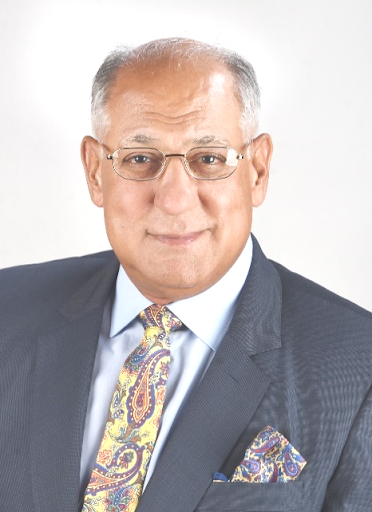
Prof. Dr. Huseyin Kyuchukov is a German scientist (born and raised up in Bulgaria), professor of Romani linguistics and Intercultural education at the University of Silesia, Katowice, Poland. He is known in Europe and worldwide for his research on Romani and Turkic (Balkan Turkish and Gagauz) languages, for his psycholinguistic research with Roma and Turkish children, for his research on human, linguistic and educational rights of Roma worldwide, for his research on intercultural education of migrant and refugee children and for his research on Roma history and culture. For his extraordinary research and work worldwide in 2022 he received the title „Doctor Honoris Causa“ from the University of Shumen, Bulgaria.
Prof. Kyuchukov is a full-time Professor at the University of Silesia, Katowice, Poland. He is a Director of the Roma Research Centre at the University of Katowice, Poland, and a Vice-President of the Gypsy Lore Society.
Prof. Kyuchukov is an author of approximately 800 publications among them bilingual children’s books in Romani and number of languages such as Arabic, Bulgarian, English, German, Romani and Turkish languages.
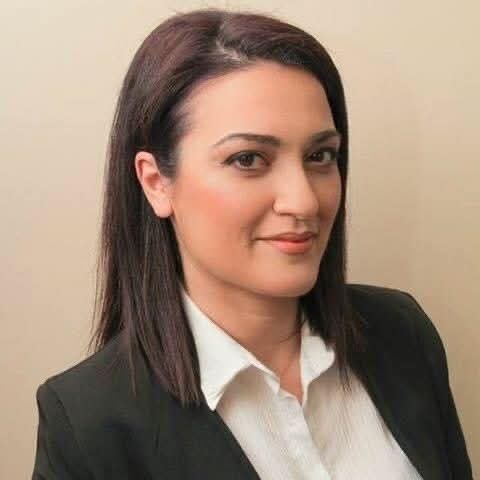
Theoni Martzakli is a philologist and book editor specialising in Romani language documentation. Since 2014, she has been researching Romani communities in Greece in collaboration with Nikos Batzalis, and has contributed as an expert to the ROMACT programme. She is active in civic engagement and community initiatives, with recent professional experience supporting migrants. Her current goal is to co-author a book promoting the introduction of Romani as a compulsory or elective school subject.
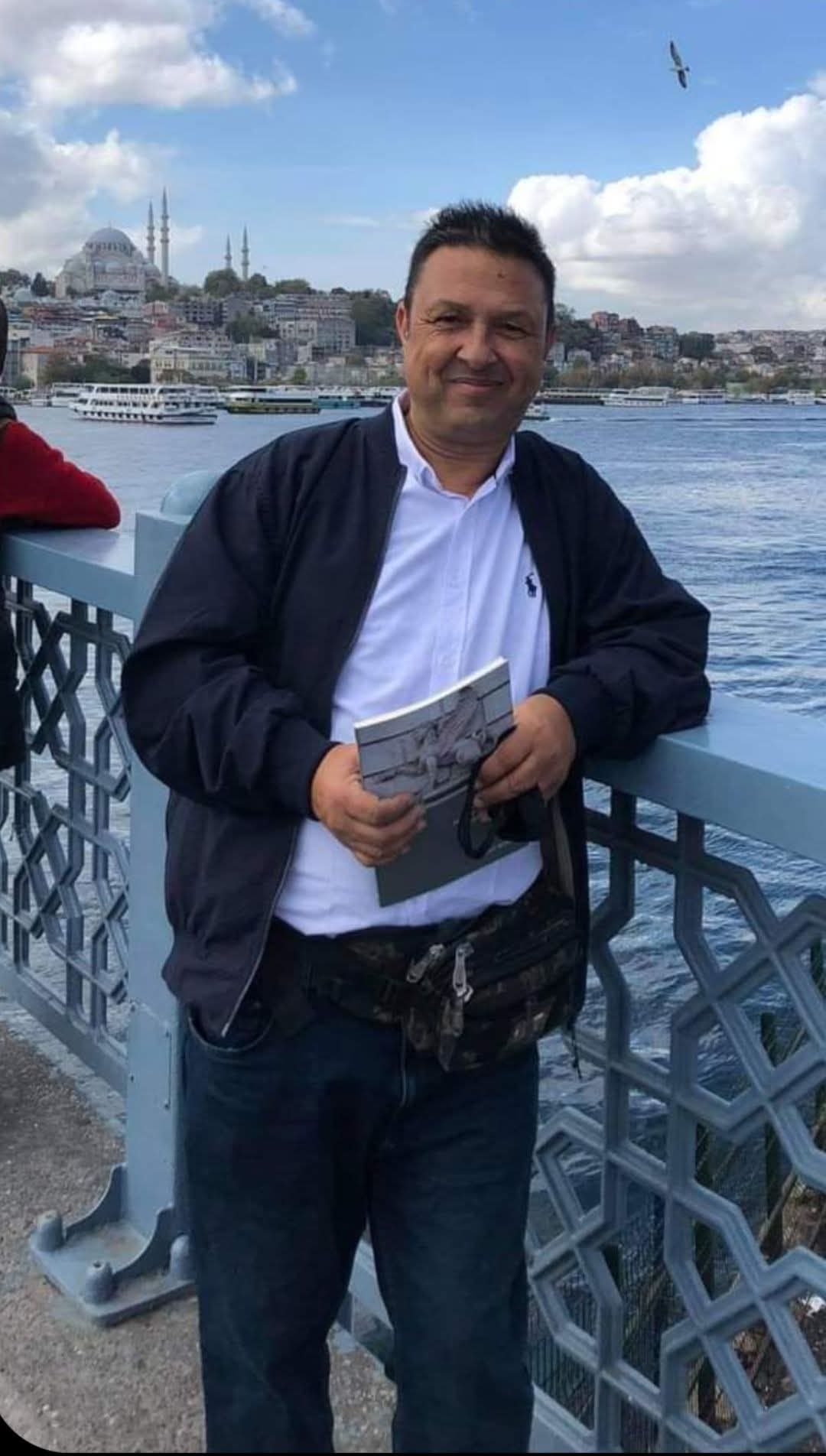
Nikolaos Batzalis is a specialist in Roma inclusion, education, and community development, currently serving as Special Advisor to the Mayor of Ilida on Roma and education affairs. He is also a ROMACT Facilitator for the Council of Europe and European Commission, supporting cooperation between Roma communities and local authorities. Formerly a School Mediator at the University of Patras, he helped enable 22 Roma students from the Papakafka district to enter higher education. A long-time columnist documenting Christian Roma cultural heritage, he authored Gkogki – Memory (2020) and founded the volunteer group “Gkogki.” He speaks Greek and Romani.
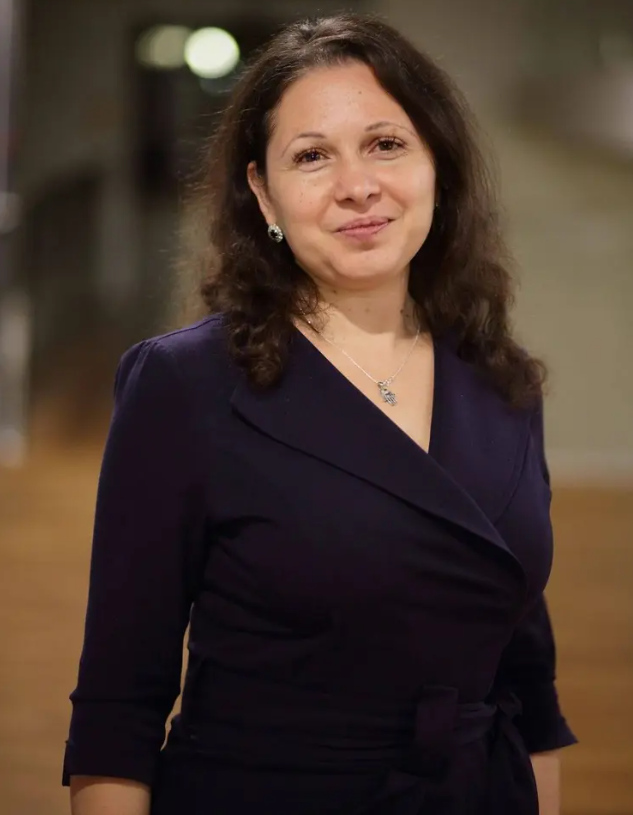
Zola Kondur is a leading Roma human rights advocate and co-founder of Chiricli, the organisation that established the Roma women’s movement in Ukraine. She has advanced gender equality, Roma rights, and anti-discrimination policies at national and international levels, working with the European Roma Rights Centre on legislation and legal aid and lobbying for women’s rights in the Ukrainian Parliament. Since 2019, she has been a UNDP Ukraine Tolerance Ambassador, and she currently serves at the Council of Europe as a project manager for national minorities, Roma, and anti-discrimination projects.
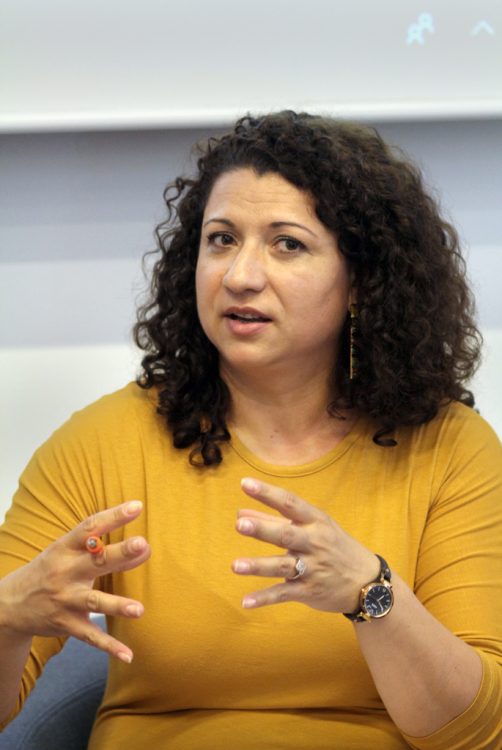
Mihaela Zătreanu is a Romani language teaching expert and leader of ERIAC’s Romani Language Initiative. Graduate in Pedagogical High School and Foreign Language Faculty in Bucharest, Mihaela has worked in Roma education in the past 15 years, first as a primary school teacher, then as a trainer for Roma and non-Roma educators, and educational inspector at the Ministry of Education. Mihaela Zatreanu has been developing the first curriculum for Romani language in Romania and continued her activity as author of text books, publishing a series of text books for Romani language. During 5 years as educational inspector in the Ministry of Education and Research, she contributed to the designing of the legislative policies for increasing the school participation of Roma, has been monitoring and guiding local programs for supplementary school assistance and introduced the school mediator for the first time in Romania. Mihaela Zatreanu had an important role for introducing Romani language and history in state schools at national level and for the allocation of special places for Roma students at high school and university level. At the European level Mihaela Zatreanu has been working in cooperation with the Council of Europe as a Chief Executive Officer at the European Roma and Travellers Forum. She was acting several years as the educational expert for the Council of Europe, contributing to the development of the policy paper for the education of Roma children in Europe, developing the Guide for Roma school mediators, teaching materials for preschool education and the Curriculum Framework for Romania Language together with a group of European experts. She has been CoE trainer for school mediation and the National Program Officer of ROMACT program in Romania.
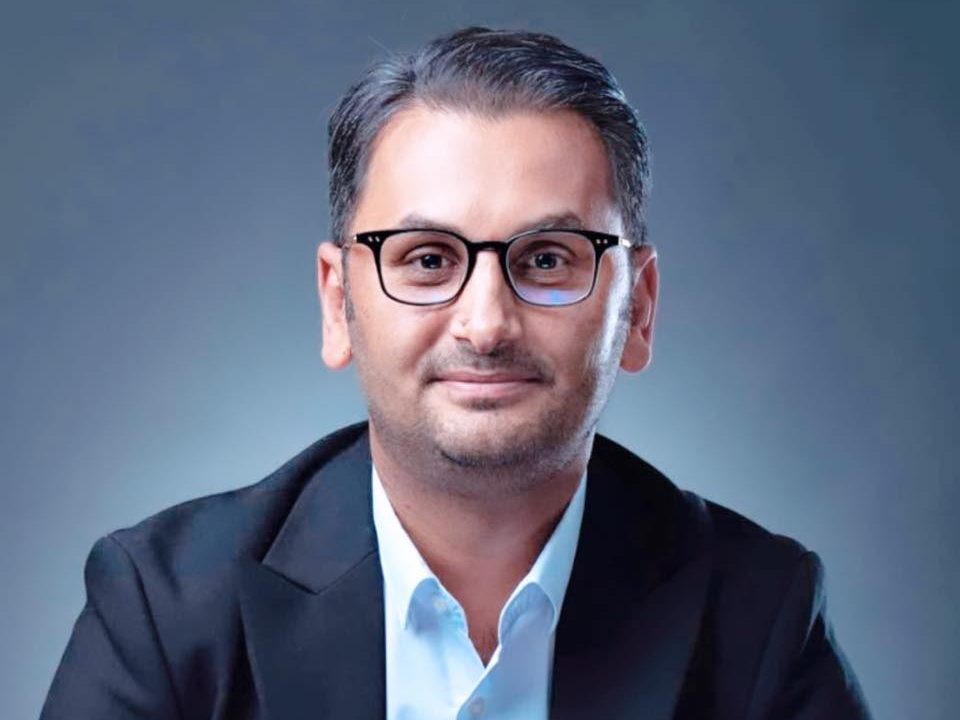
Redjepali Chupi is an expert in minority rights and inclusive education with over 20 years of experience across government and civil society. As former Director of the Directorate for Promotion and Development of Languages of Ethnic Minorities at the Ministry of Education in North Macedonia, he led efforts to strengthen language and education rights for minority communities. With a background in law and extensive experience in policy development, legal advocacy, and capacity-building, he has contributed to national and international initiatives advancing minority integration and community empowerment.
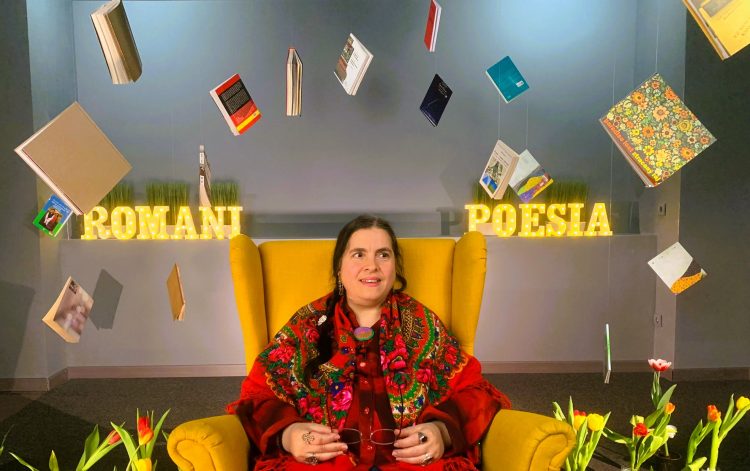
Dr. Delia Grigore is a Roma writer, researcher, and activist from Romania, with a PhD in visual arts from the Institute of Ethnography and Folklore of the Romanian Academy. She serves as president of the association Rroma Centre “Amare Rromentza”, and has been working in the Roma movement for more than two decades. An author of three books and numerous articles and studies on Romani culture and literature, she edited Rromane Dikhimata (Rromane Perspectives): Anthology of Rromani Literary Creation in 2018. A poet and writer, Grigore is a lecturer at the University of Bucharest, Faculty of Foreign Languages and Literatures, Rromani Language and Literature Section, and also a member of the Writers Society “Costache Negri” in Romania.

Damian James Le Bas Jr is a Romani writer, filmmaker, and cultural contributor. His first book The Stopping Places won the Somerset Maugham Award, a Royal Society of Literature Jerwood Award, and was shortlisted for the Stanford Dolman Travel Book of the Year. Damian is widely published as a journalist and poet and has taught for the Arvon foundation. A recipient of a Society of Authors Travelling Scholarship, he is a member of the European Film Academy, holds a First Class degree in Theology from the University of Oxford, and was awarded an honorary Master of Education by the University of Chichester. Le Bas has contributed to BBC TV and radio, worked as a Romani language consultant for Universal Studios and the BBC, co-founded the International Romani Film Commission, and continues to write, direct, perform, and lead workshops internationally. The Drowned Places is his second book.
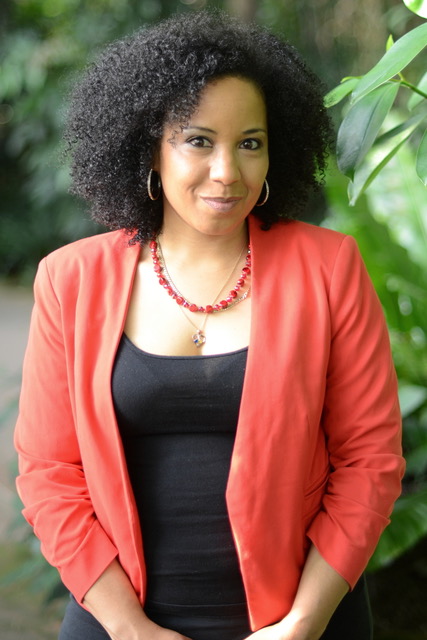
Tayo Awosusi-Onutor is a Berlin-based singer, author, director, and activist who describes herself as an Afro-Sintezza. Her music blends Soul, Jazz, R’n’B, and Romani Musica, performed in English, German, and Romanes. The daughter of civil rights activist, Tayo’s art reflects her multicultural roots. She has collaborated with artists such as Ferenc Snétberger, Mariah Carey, and Sarah Connor, and produced music for film soundtracks. A board member of RomaniPhen Roma feminist archive and member of IniRromnja, she directed the documentary “Phral mende – Wir über uns” (2017) and authored the first German children’s book featuring Romani and Sinti heroines, “JOKESI Club” (Vol. 1 and 2). Since 2023, she runs omobooks Verlag, a publishing house amplifying underrepresented voices.
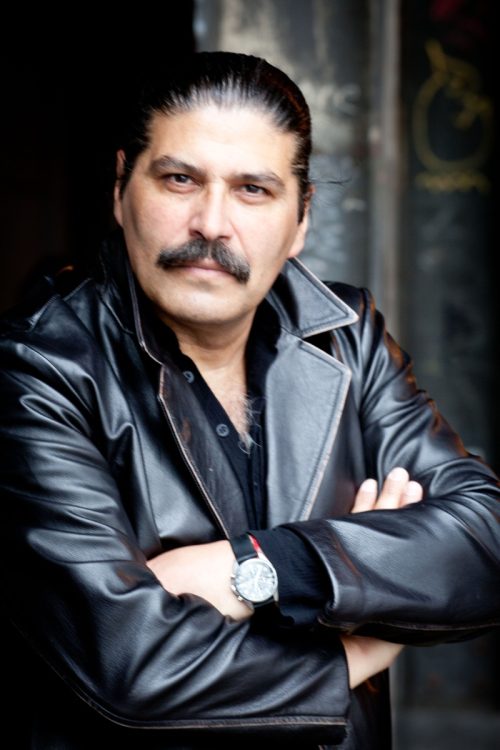
Nedjo Osman is an actor, director, poet, and cultural activist born in Skopje, North Macedonia. He began his career at the Roma Theater Pralipe and studied at the Film and Theater Academy in Novi Sad. He has taken on leading roles in many productions and has played at various international festivals in Europe, awarded the Superlative Criticism as well as numerous other recognitions. Since 1995 he has been artistic director of the TKO Theater in Cologne together with Nada Kokotovic, and has worked as a freelance actor, director, and radio journalist in Romanes. As a theater pedagogue and long-time cultural mediator, Osman promotes Roma identity through art and literature. His poetry has been published across Europe, and he continues to advocate for Roma culture on and off stage.
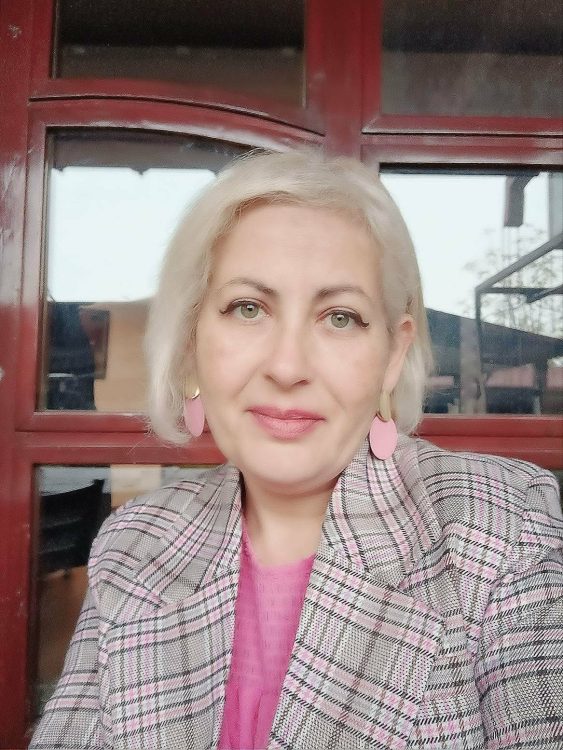
Sevdija Demirova Abdulova is a Romani writer, poet, and activist from North Macedonia, known for her dedication to preserving Romani language and culture. She has published over 20 books in Romani, including The Magic Hairpin, the country’s first children’s novel in the language, and has contributed to numerous poetry anthologies. With over two decades of experience in Romani-language media and education, she has also led cultural NGOs and continues to work as a consultant, editor, and researcher. Her work on Romani heritage and the Roma Holocaust has earned her national and international recognition.