Page id: 17341
SHARED HISTORIES, SHARED FUTURES
A project supported by the Visegrad Fund, in collaboration with ARA ART (CZE), Fundacja Jaw Dikh (POL), Women for the Future Association (HUN), and Media Voice (SVK)
ABOUT
The Visegrad region continues to struggle with persistent social fragmentation, particularly between Roma and non-Roma communities. Despite democratic progress, deep-rooted structural inequalities, exclusion, and antigypsyism persist. Roma voices remain largely absent from mainstream historical and cultural narratives, reinforcing a cycle of invisibility and mistrust. This lack of inclusive memory practices is compounded by a broader deficit in research and institutional recognition of Roma contributions to Central European history, ranging from Holocaust resistance to cultural, civic, and political participation during communism and post-transition.
DESCRIPTION
The “Shared Histories, Shared Futures” project responds to these challenges by promoting inclusive, community-based storytelling. It aligns with the Council of Europe’s 2020 recommendation to integrate Roma history and culture into educational systems, offering an alternative, participatory model of civic memory. By crowd-sourcing personal stories, the project creates a living archive of Roma and non-Roma experiences, empowering youth and civil society to preserve shared memory and shape a more just, cohesive regional identity. The integrated methodology combines participatory training, oral history collection, digital storytelling, and transnational collaboration.
The project is training 8 young Roma and non-Roma in ethical storytelling, collecting 24 oral histories and creating a publicly accessible digital archive. After an online orientation workshop, an in-person Youth Lab and final conference will follow.
OUTPUTS
Apart from an online storytelling workshop, a Youth Lab (a training for story collection), a digital archive, and an online final conference are also planned.
IMPLEMENTATION PERIOD
1 January 2026 to 31 December 2026
COORDINATOR
Dr. Anna Mirga-Kruszelnicka (anna [dot] mirga [at] eriac [dot] org)
SUPPORTERS
The project is co-financed by the governments of Czechia, Hungary, Poland and Slovakia through Visegrad Grants from the International Visegrad Fund. The mission of the fund is to advance ideas for sustainable regional cooperation in Central Europe.
PARTNERS

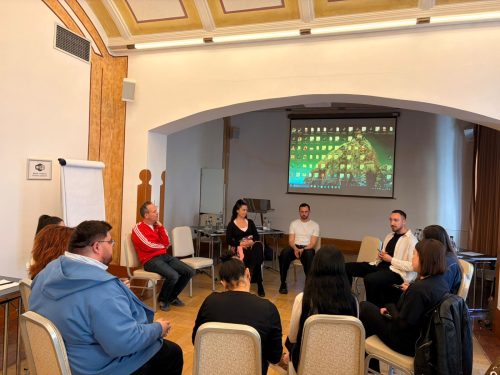
Shared Histories, Shared Futures: Youth Lab on Story Collection Held in Prague
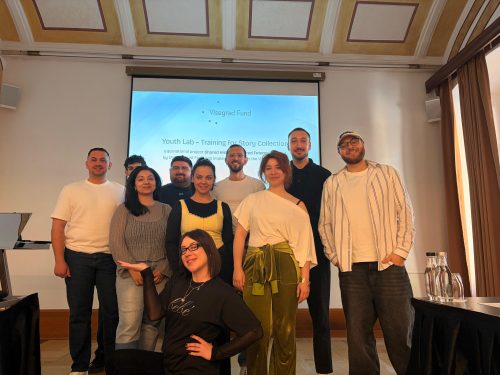
From 26–28 April 2026, the European Roma Institute for Arts and Culture (ERIAC), together with its project partners: Jaw Dikh Foundation (Poland), Women for the Future Association / Independent Theater Hungary (Hungary), Media Voice (Slovakia), and ARA ART (Czech Republic), organized the Youth Lab Training for Story Collection in Prague, Czech Republic, within the framework of the international project Shared Histories, Shared Futures.
The project brought together young Roma storytellers from across the Visegrad region to explore shared Central European histories and document Roma contributions to civic, cultural, and social life. Through oral history collection and community-based storytelling, the initiative seeks to strengthen inclusive memory practices and increase the visibility of Roma voices within regional historical narratives.
Following an international open call launched in March 2026, two participants from each partner country (Poland, Hungary, Slovakia, and Czechia ) were selected to join the project as youth researchers. The selection process focused on applicants’ motivation, interest in storytelling and memory work, proposed story ideas, and commitment to the full project cycle, while also ensuring regional and gender balance among participants.
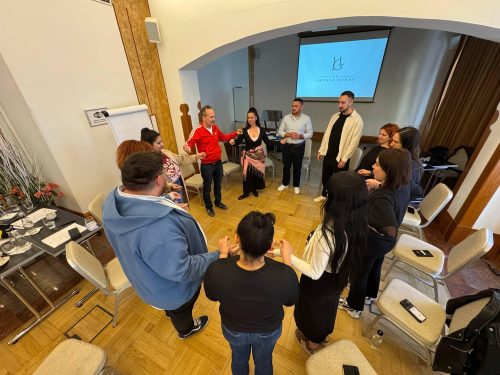
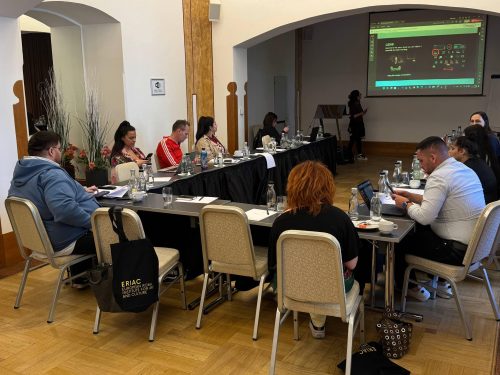
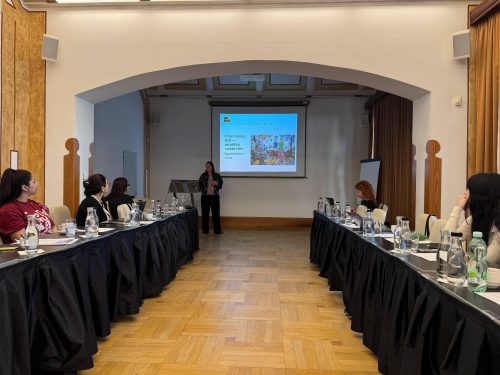
The Prague Youth Lab marked the first in-person activity of the project and created a collaborative learning space bringing together participants, mentors, and partner organisations for a three-day programme focused on ethical interviewing, oral history methodologies, storytelling practices, and digital documentation tools.
The programme opened with a welcome dinner and informal networking session, creating space for exchange and relationship-building among participants and project partners. Across the following days, participants took part in practical workshops exploring access, trust, and ethics in oral history work, including informed consent, active listening, and creating safe interview environments. Sessions also focused on interview structures, creative storytelling approaches, and practical training in phone-based audio and video recording.
Mentors from each partner organisation actively contributed to the programme by facilitating thematic workshops connected to their own expertise and practice. Participants additionally received guidance on transcription, translation, and the preparation of materials for the project’s future digital archive through the use of accessible digital and AI-supported tools.
Following the Youth Lab, participants will collect and document three oral histories in their home countries between May and September 2026, contributing to a publicly accessible digital archive that will preserve and amplify Roma experiences and perspectives across the Visegrad region.
-
-
“Shared Histories, Shared Futures” Project Starts with Youth Lab on Story Collection in Prague
-
-
“Shared Histories, Shared Futures” Project Starts with Youth Lab on Story Collection in Prague
-
-
“Shared Histories, Shared Futures” Project Starts with Youth Lab on Story Collection in Prague
-
-
“Shared Histories, Shared Futures” Project Starts with Youth Lab on Story Collection in Prague
-
-
“Shared Histories, Shared Futures” Project Starts with Youth Lab on Story Collection in Prague
Shared Histories, Shared Futures: Meet the Fellows
The Shared Histories, Shared Futures project addresses the persistent underrepresentation of Roma voices in public memory across the Visegrad region, where structural inequalities and antigypsyism continue to shape social relations and historical narratives.
Through participatory storytelling and oral history, the project creates space for Roma and non-Roma communities to document lived experiences, preserve personal memories, and critically engage with dominant narratives that have historically marginalised Roma contributions to regional history. The project offers training activities, storytelling workshops, and the development of a publicly accessible digital archive to contribute to the development of inclusive and participatory approaches to civic memory.
Eight young Roma and non-Roma participants from Poland, Hungary, Slovakia, and Czechia were selected to collect 24 oral histories that will constitute a publicly accessible digital archive.
The participants are early-career professionals and emerging leaders from across the Visegrad region working in media, culture, education, advocacy, and public service. They are connected by a shared interest in storytelling and participatory approaches that support a more inclusive understandings of Roma and non-Roma experiences.
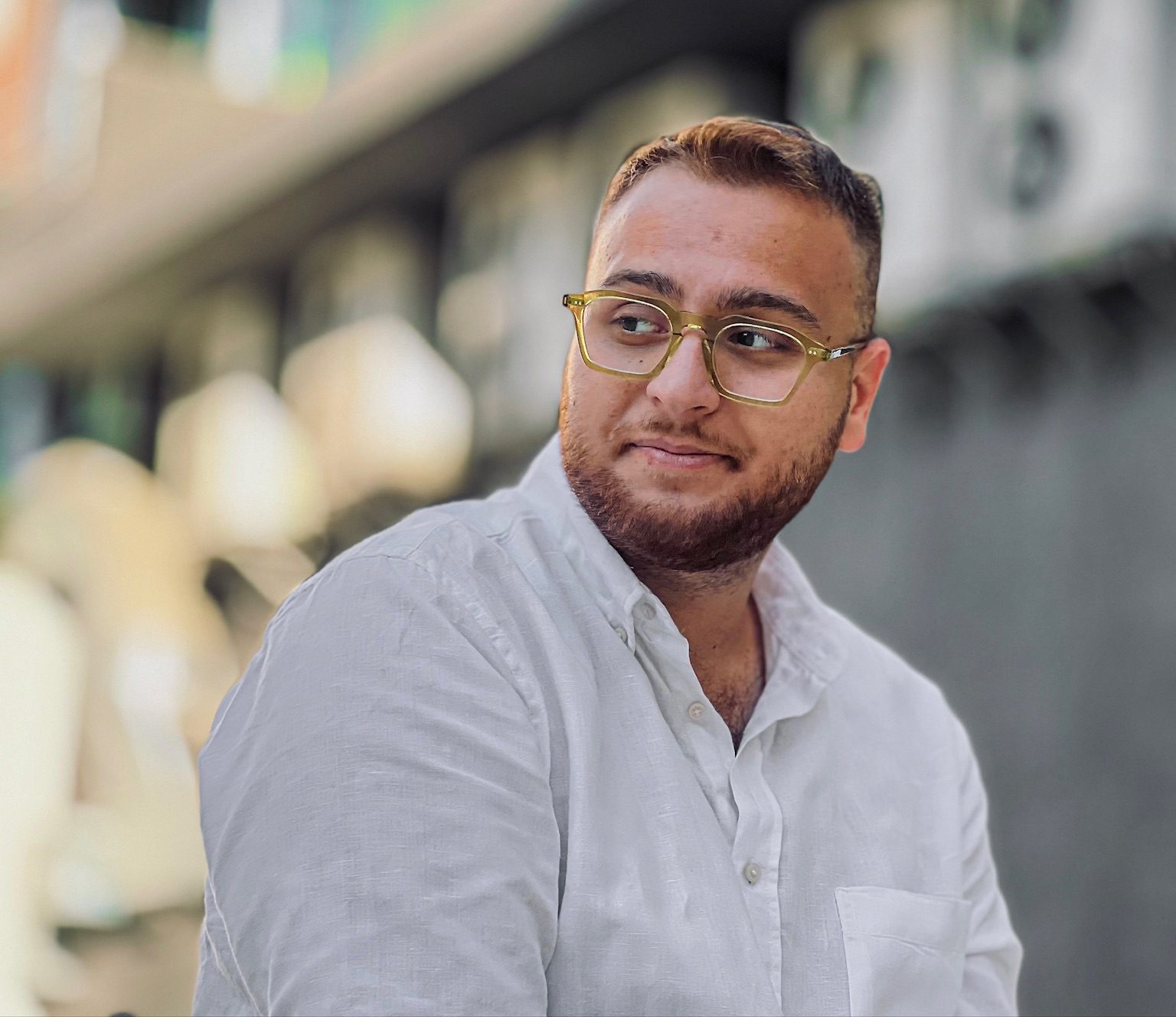
Alexandra Kökény

I am Alexandra Kökény, a 20-year-old Hungarian-Roma woman and a second-year university student at ELTE, majoring in Communication and Media Studies, where my specialization is participatory film and my minor is film theory and history. Alongside university, I work as a video journalist for the Roma Press Center and as a communication intern and activist for the Uccu Foundation.
I find it particularly important to highlight: it is no coincidence that I work in the media. I spend a large part of my studies researching Roma media representation (which is in a particularly tragic state in Hungary), so it was never a question that I wanted to influence this myself as a journalist and media professional.
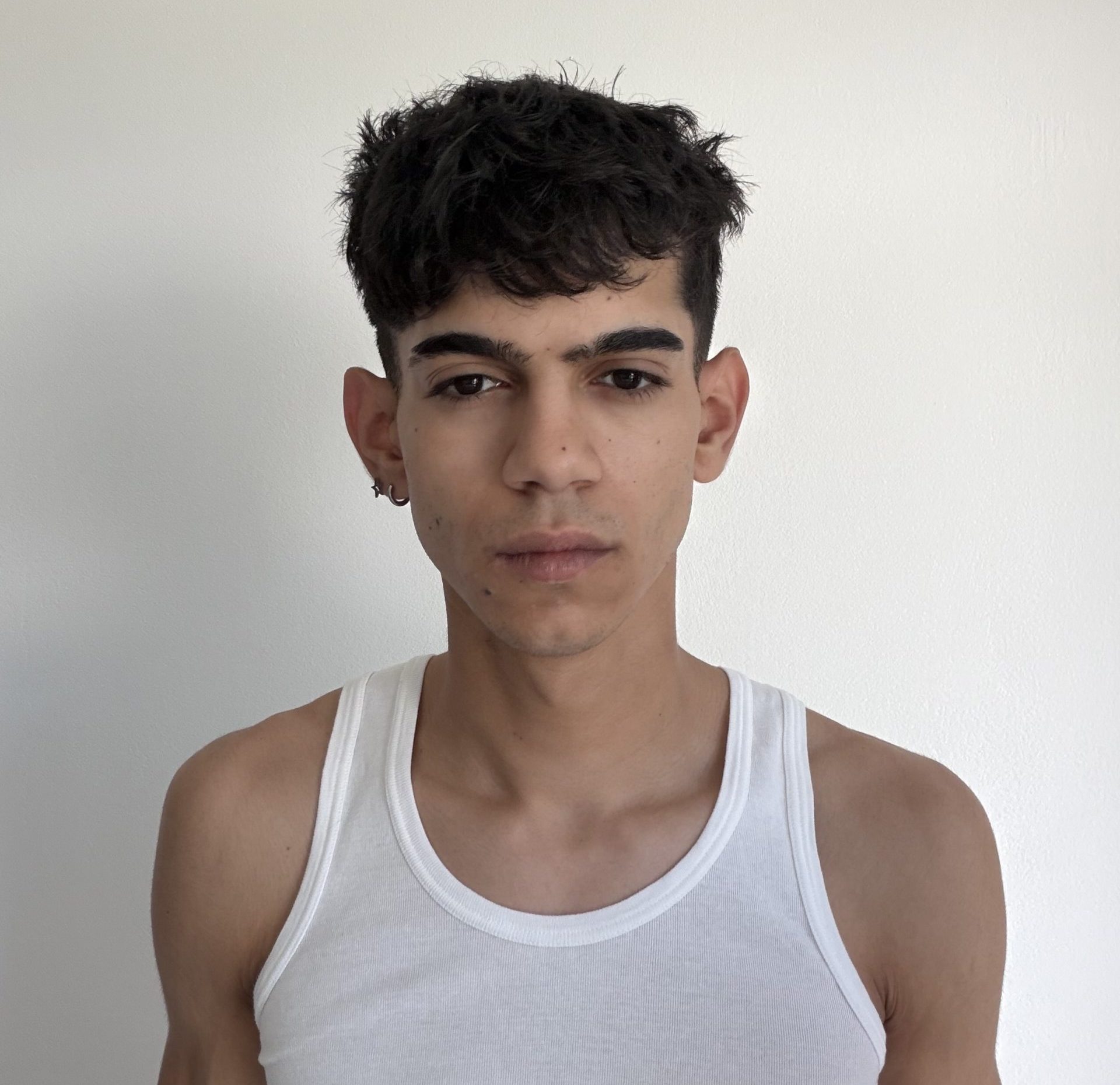
Brett Peter Oláh
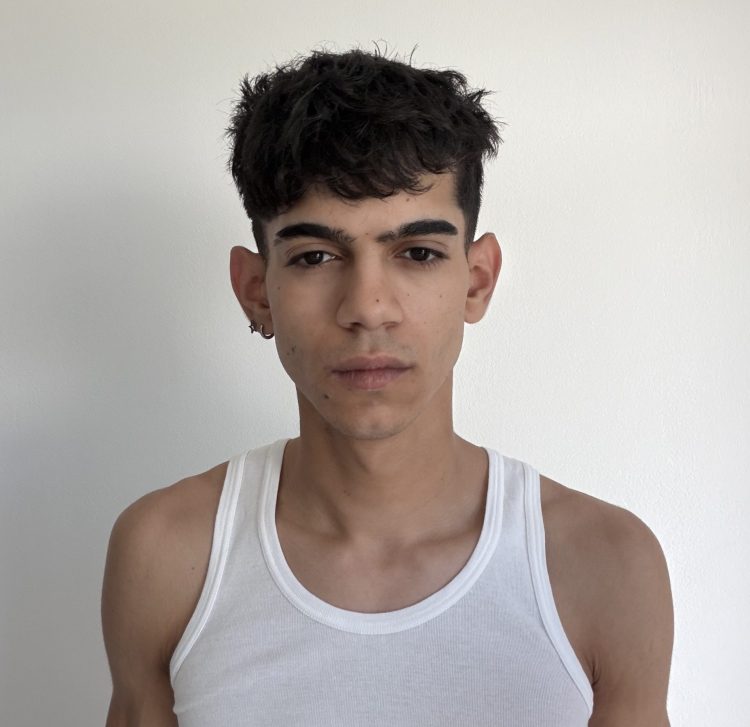
Brett Peter Oláh is a Roma visual artist, illustrator, and multidisciplinary creative from southern Slovakia. His work spans graphic design, illustration, video production, photography, and visual storytelling. Through paintings, visual campaigns, and digital content, he combines aesthetics with emotion and personal narrative, creating projects that reflect identity, culture, and contemporary expression. Alongside his artistic practice, he is also active in modeling and acting.
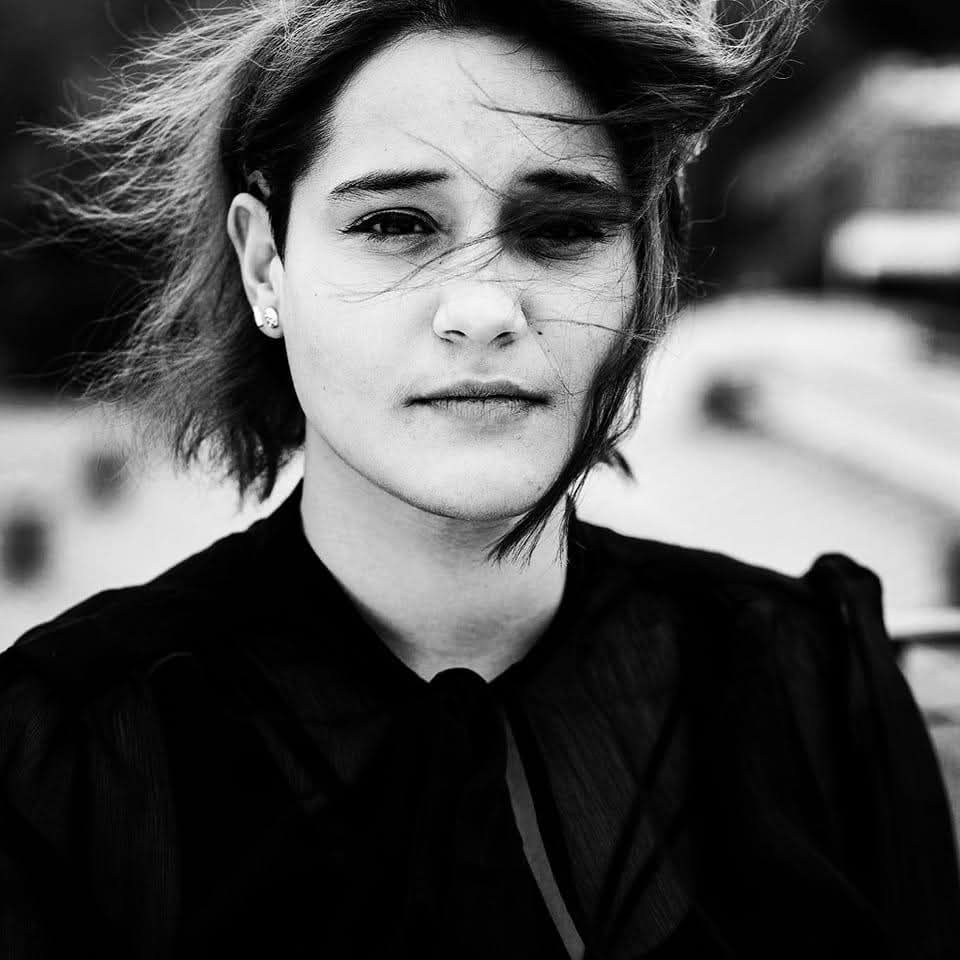
Lila Klups

My name is Lila Klups and I am 18 years old. I have just finished school, so I am still discovering life and exploring what truly interests me. I am an open-minded and friendly person who enjoys meeting new people, learning about different cultures, and discovering new traditions. I love travelling and exploring the world because every new experience gives me valuable memories and helps me grow. I am curious about the world, eager to learn, and always open to new opportunities and challenges.
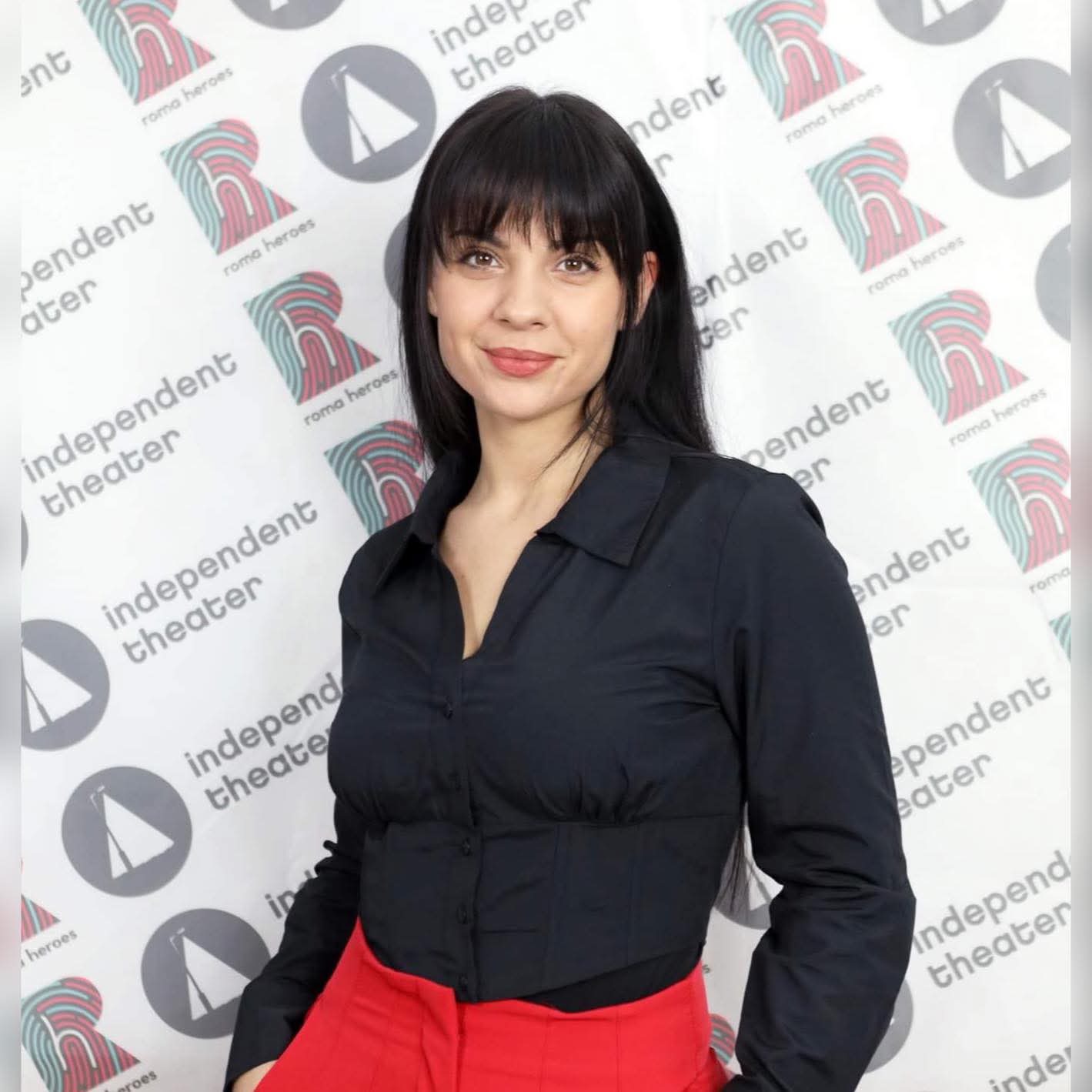
Lucia Lakatos
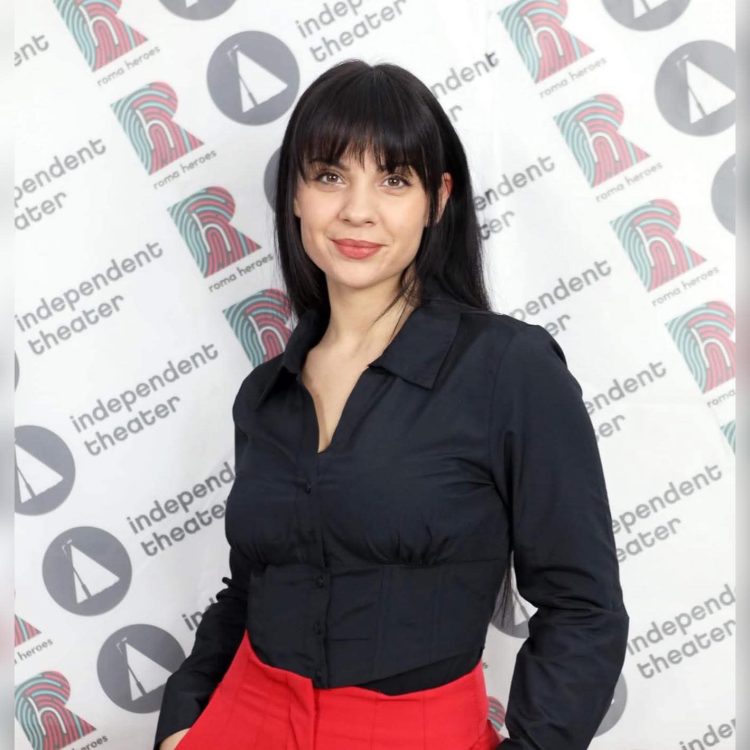
I am Lucia Lakatos, a Hungarian-Roma theatre practitioner, educator, and sociology graduate from Corvinus University of Budapest. I am the professional leader of Independent Theater Hungary, where I work across various roles, including stand-up comedy, workshop facilitation, and methodology development. My work focuses on participatory theatre, equal opportunities, and educational projects with young people, including verse and rap workshops. I also write texts and perform as a rapper. I am about to begin my MA studies, continuing my engagement with art, education, and social change within Roma and minority contexts.
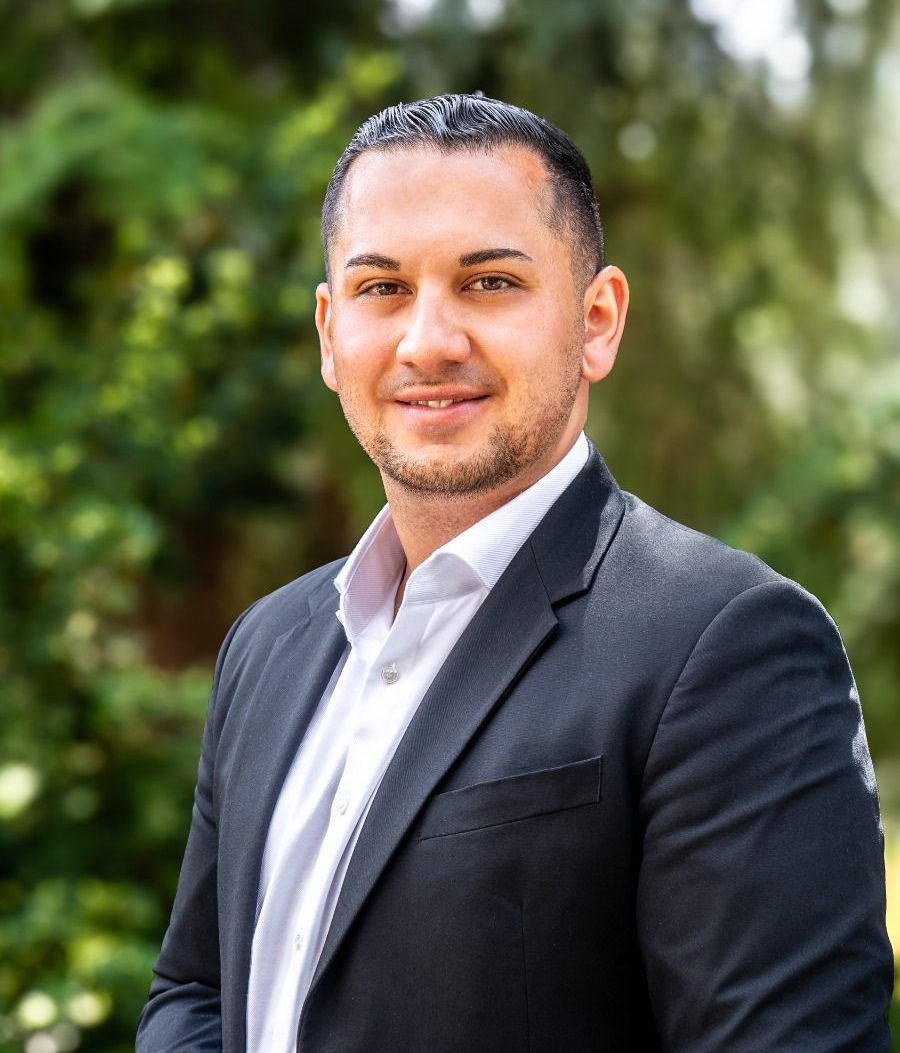
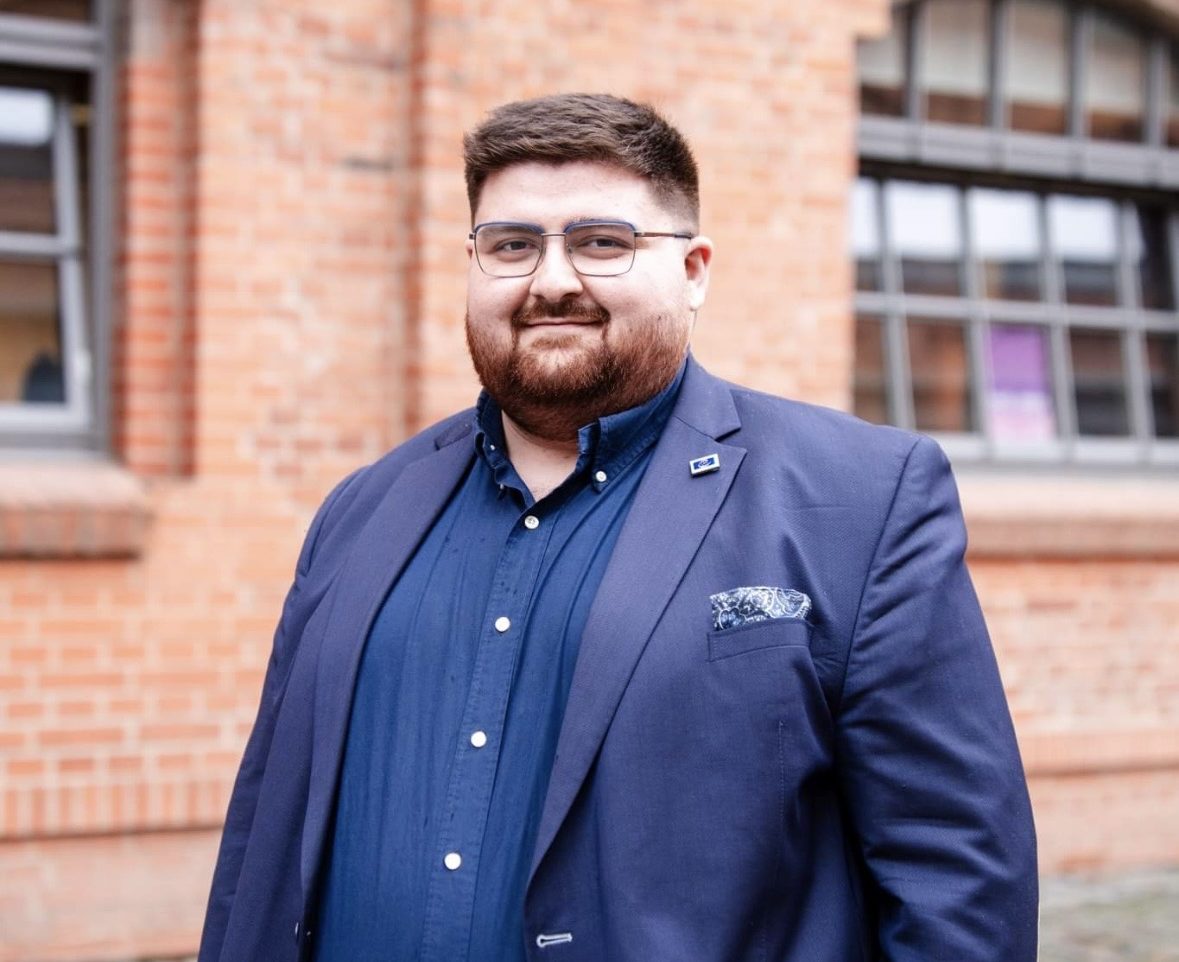
Mikuláš Lakatos
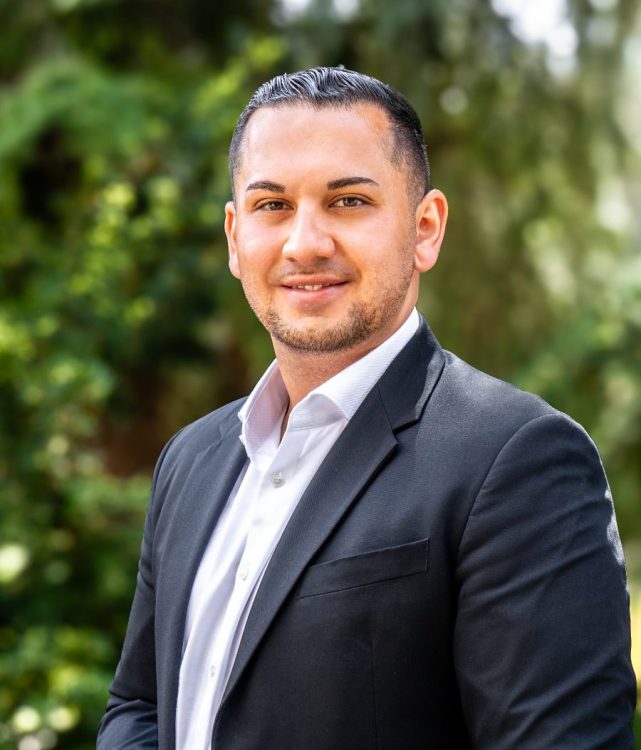
Mikuláš Lakatos is an Inclusive Health Policy Analyst, Chief State Counsellor of the Slovak Government Office, advocate for minority and human rights, and Assistant Professor at the Slovak Medical University in Bratislava. He currently works at the Office of the Plenipotentiary for Roma Communities of the Government of the Slovak Republic, where he applies expertise gained through his studies in Nursing, Public Policy, and Minority Health Policy at the Slovak Medical University in Bratislava, Central European University in Budapest, and Comenius University in Bratislava. His work also builds on extensive experience in minority policy programmes and human rights institutions both nationally and internationally. In 2023, he received the prestigious Young European of the Year Award from the Schwarzkopf Foundation Young Europe, in cooperation with the European Commission, for his contribution to the strategic development and implementation of inclusive national policies promoting the health of marginalized Roma communities.
Oliver Mako
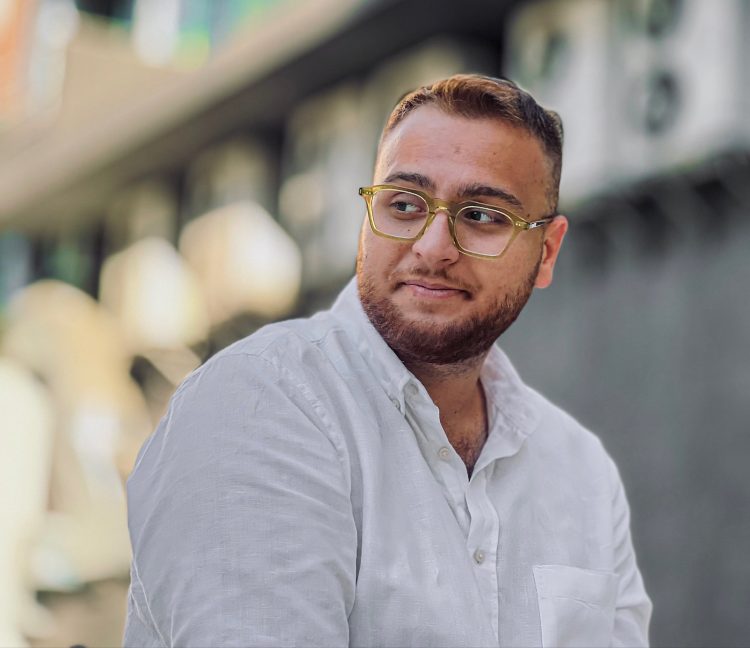
Oliver Mako (2000) is a Slovak documentary filmmaker and graduate of the Academy of Arts in Banská Bystrica, where he specialized in film and television directing with a focus on documentary filmmaking. Alongside his authorial film work, he is active in audiovisual production, directing and editing music videos and promotional content for businesses, brands, Slovak government ministries, European institutions, and NGOs. He contributed to the Nike Jordan – Family Affair campaign, a project exploring Romani heritage, family, and identity.
He has collaborated with the Council of Europe, the European Parliament, ERRC, and ERIAC, producing documentary works focused on Romani children in state care and the experiences of Ukrainian Roma during the war. He is currently part of the team behind For Us It Continues: Untold Stories of the Romani Holocaust, a mini-documentary series dedicated to the testimonies of Romani Holocaust survivors, produced in partnership with the Yale Fortunoff Video Archive and ERIAC.
His practice bridges artistic filmmaking and civic activism, rooted in his Romani identity and more than a decade of engagement with human rights advocacy and the fight against anti-Gypsyism.
Lucyna Styrkacz
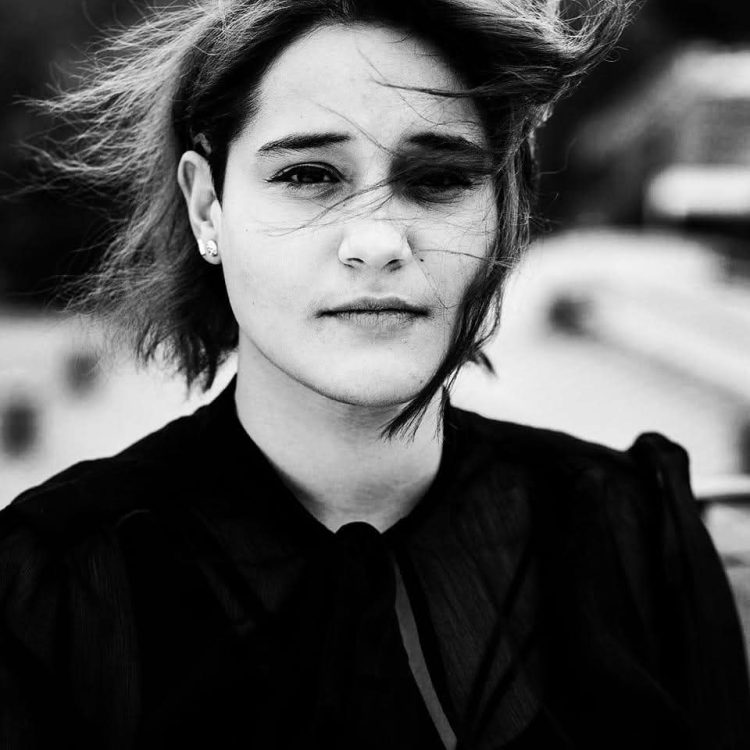
Lucyna Styrkacz is a Roma woman from the Bergitka Roma community who is actively engaged in social and educational initiatives related to the Roma community in Poland. She participates in projects and campaigns aimed at challenging stereotypes and fostering intercultural dialogue. She is a graduate of the Roma Women Leaders Academy organised by the Foundation Towards Dialogue and took part in the social campaign “Let’s Get to Know Each Other,” which promoted openness and mutual understanding. Lucyna Styrkacz played the role of Dżamila in the Netflix series “Infamy” and is also actively involved in panel discussions and events dedicated to Roma culture, women’s rights, and education.
Petr Banda
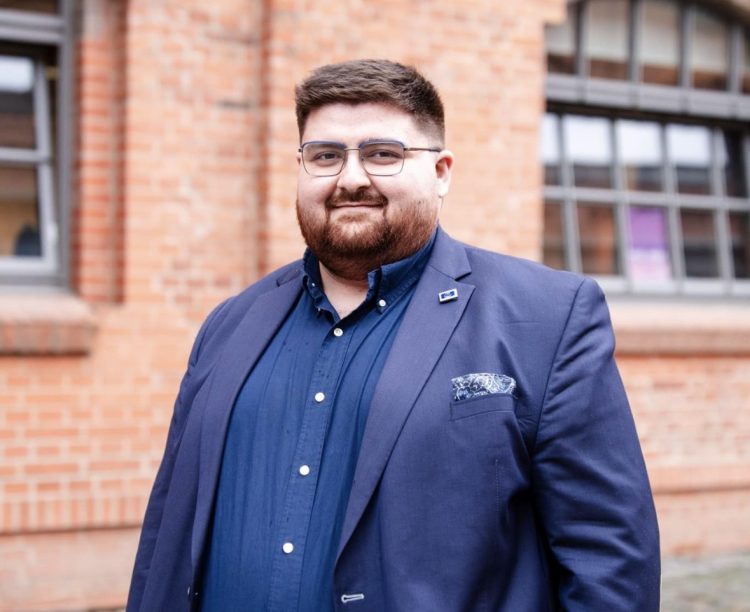
Petr Banda is a Vlax Rom activist and Czech Youth Delegate to the United Nations. He is part of an informal network of young Roma committed to combating antigypsyism, raising awareness of Roma history, and strengthening civic engagement among young people. His work focuses on equality, human rights, and increasing Roma participation in public life. Through advocacy, dialogue, and public engagement, he encourages young people to take an active role in society and speak openly about the issues affecting their communities in Czechia and across Europe.
Open Call: History Through Roma Eyes
The European Roma Institute for Arts and Culture (ERIAC) together with its project partners — Jaw Dikh Foundation (Poland), Women for the Future Association / Independent Theater Hungary (Hungary), Media Voice (Slovakia), and ARA ART (Czech Republic) — invites applications from young Roma individuals (aged 18–35) to participate in the international project Shared Histories, Shared Futures, financed by the Visegrad Fund and implemented within the Visegrad region. As part of this call, two participants per country (Poland, Hungary, Slovakia, Czechia) will be selected.
About the Project
Shared Histories, Shared Futures brings together young Roma storytellers to explore shared Central European histories and document Roma contributions to civic, cultural, and social life. The project focuses on personal stories connected to World War II resistance, life under communism, democratic transition after 1989, and everyday practices of solidarity and coexistence.
By collecting and publishing these stories in a publicly accessible digital archive, the project helps strengthen inclusive memory practices in the V4 region and increase the visibility of Roma voices in regional historical narratives.
What Participation Includes
Selected participants will join the project as youth researchers and take part in a two-day international Youth Lab in Prague (April 26-29, 2026). Travel, accommodation and meals will be fully covered by the project.
During the Youth Lab, participants will receive professional training in ethical interviewing, oral history methodology, and storytelling formats (text, audio, and video). Following the training, each participant will collect and document three oral histories in their home country between May and September 2026, with support from a national mentor.
Each selected participant will receive:
- An honorarium of 500 EUR upon successful completion of three documented stories.
- Additional production support of up to 900 EUR for the post-production of the final public version of the collected stories (editing and preparation of the creative output).
- Travel support of up to 80 EUR to cover domestic transportation costs related to conducting the interviews
- Professional editorial, graphic design, and communication support
- Promotion of their work through ERIAC and partner communication channels
- Inclusion of their stories in the project’s international digital archive and public campaign
- Participants will also be invited to contribute to the project’s final online conference in November 2026.
Eligibility
Applicants must be:
- Individuals of Roma origin aged 18–35
- Based in Poland, Hungary, Slovakia, or Czechia
- Available between March and September 2026
- Interested in storytelling, history, memory work, or civic engagement
Previous professional experience is not required. However, experience in collecting and presenting stories, journalism, audiovisual work, research, artistic practice, community work, or cultural activism will be considered an advantage.
In the selection process, the committee will assess applicants based on motivation, clarity of proposed story ideas, commitment to the full project cycle, and potential to successfully complete the required outputs. The selection will also take into account gender balance and regional diversity.
Required Project Outputs
As part of their participation, selected youth researchers are required to submit the complete documentation package for each story they collect. This includes:
- The original high-quality video recording of the full interview (maximum length: 2 hours).
- The full transcript of the conversation (with translation into English).
- A creative public version of the interview.While the full raw interview is required for archival purposes, each participant must also produce a shorter public-facing version that captures the essence of the story and makes it accessible to wider audiences. This can take the form of an edited short video, a documentary-style segment, a social media video (including reel format), an audio piece, a visual narrative, a performative interpretation, or another agreed creative format.
Recommended duration: 3–15 minutes.
How to Apply
Applications must be submitted via the online application form. The form will ask you to provide the following information:
- Motivation Letter (max. 500 words)
Please explain why you want to participate in this project. How does your personal or professional background relate to the goals of “History Through Roma Eyes”? What do you hope to learn or achieve through this experience?
Please outline the types of stories or individuals you would like to document. You may refer to specific family histories, community elders, or historical events (for example WWII, the Communist period, or the democratic transition after 1989).
CV and any relevant projects, portfolio materials, or additional documents related to storytelling, research, journalism, audiovisual work, or artistic practice.
Deadline: 6 April 2026, 23:59 CET
Applications must be submitted via the online application form
If you have any questions regarding the call, please contact: petro.rusanienko@eriac.org
Applications will be reviewed by an international committee composed of representatives of the partner organizations.