Page id: 19235
Roma Holocaust Voices Fellowship
The Roma Holocaust Voices Fellowship is a joint initiative of the European Roma Institute for Arts and Culture (ERIAC) and the Fortunoff Video Archive for Holocaust Testimonies at Yale University. The fellowship was established to support the preservation, accessibility, and creative engagement with Roma and Sinti Holocaust survivor testimonies.
Building on a long-standing collaboration dedicated to amplifying Roma and Sinti voices within Holocaust remembrance, ERIAC and the Fortunoff Archive also launched a mini-grant programme in commemoration of International Roma Holocaust Remembrance Day on 2 August. The programme supports translators and creative initiatives engaging with survivor testimonies and archival materials.
The fellowship encourages innovative and critical approaches to archival memory by supporting its translation into formats that increase visibility, accessibility, and relevance for contemporary audiences. It is designed to support Roma creators in the development of public-facing projects that engage with historical testimonies while connecting them to present-day cultural, social, and political contexts.
OPEN CALL | Roma Holocaust Voices Fellowship 2026
The Fortunoff Video Archive for Holocaust Testimonies and the European Roma Institute for Arts and Culture (ERIAC) are pleased to announce the 2026 edition of the Roma Holocaust Voices Fellowship. This fellowship is designed to support Roma creators in the development of public-facing creative projects that critically engage with historical testimonies and situate them within contemporary cultural and social contexts.
Selected fellows will be granted exclusive access to audiovisual testimonies of Roma Holocaust survivors preserved within the Fortunoff Archive. Fellows are expected to engage with the testimonies through an original creative project and are invited to interpret and reframe the audiovisual materials through a wide range of artistic practices.
The fellowship aims to encourage innovative approaches to archival memory by facilitating its translation into formats that enhance visibility, accessibility, and relevance for diverse contemporary audiences.
This call is open to:
- Individuals of Roma origin
- Artists, filmmakers, researchers, and cultural practitioners working in creative fields
Fellowship Grant
- 2 fellowships available
- 4,000 EUR per fellow (to support the development and implementation of the project)
- Full research access to the Fortunoff Archive’s Roma testimonies.
- Institutional and promotional support from ERIAC and the Fortunoff Archive.
What We Support
We welcome proposals for high-impact creative projects, including (but not limited to):
- Short films, animation, or audiovisual storytelling
- Public art, installations, or exhibitions
- Theater, performance, or sound-based work
- Digital storytelling and multimedia formats
- VR/AR or immersive experiences
Projects should clearly demonstrate how the Fortunoff testimonies will be used as a core narrative or conceptual element, not as a secondary reference. Applications will be evaluated based on a clear concept and a realistic plan for project implementation, public visibility, and outreach potential.
Expected Outcomes
Fellows are expected to deliver:
- A final creative project engaging with the Fortunoff testimonies
- A transcription and English translation of the selected testimony materials used in their work
Timeline
- Open Call: April 15 – June 15, 2026
- Selection: June 26, 2026
- Project Implementation: July 2026 – April 2027
How to Apply
Applications must be submitted via the application form.
Required materials:
- Personal information
- Project proposal (max. 500 words) including:
- Concept and objectives
- Use of Fortunoff testimonies
- Expected outcome and format
- Timeline
- Target audience and visibility strategy
- CV
All materials must be submitted in English.
If you have any questions, please contact petro.rusanienko@eriac.org
Recipients 2025 Roma Holocaust Voices Fellowship
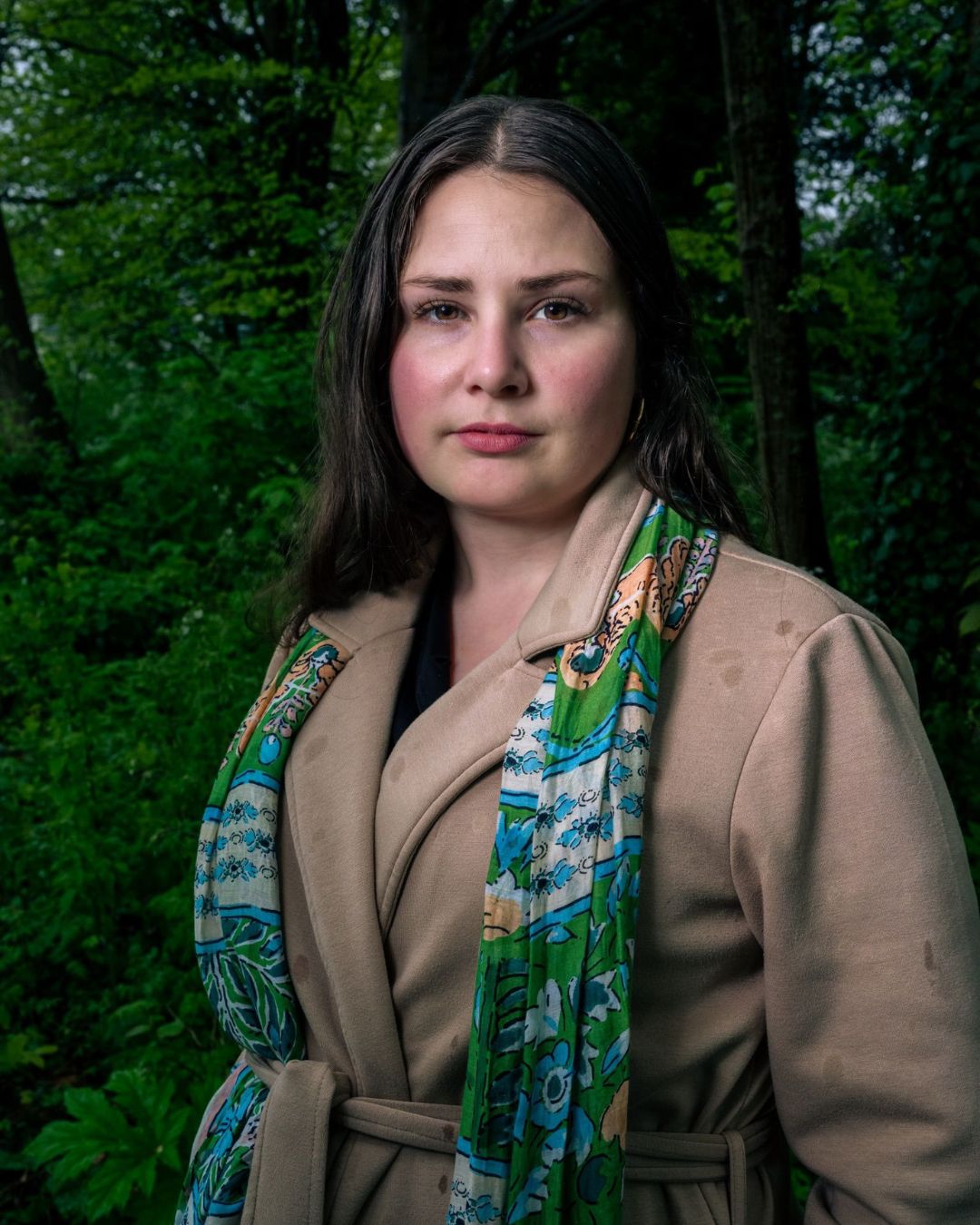
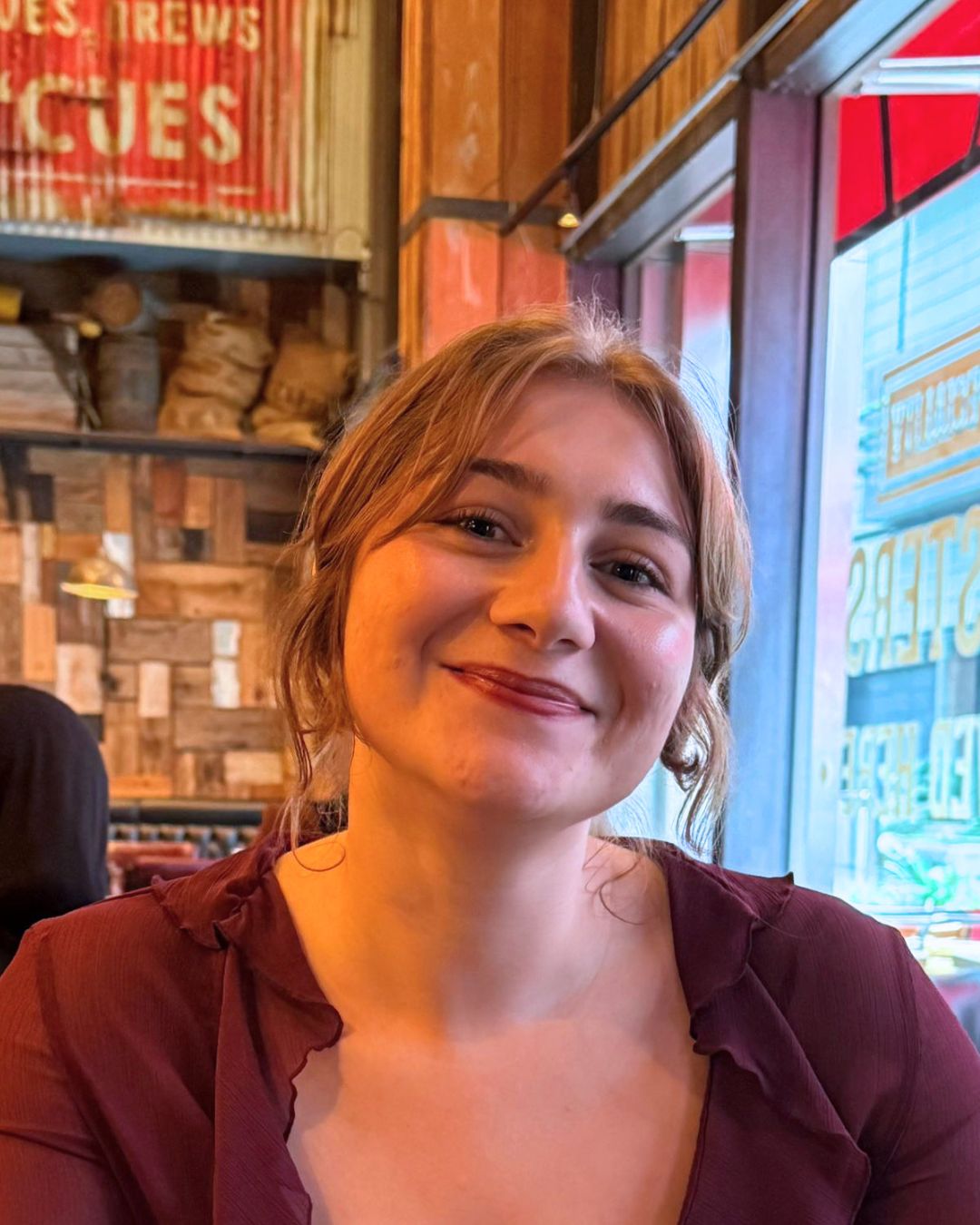
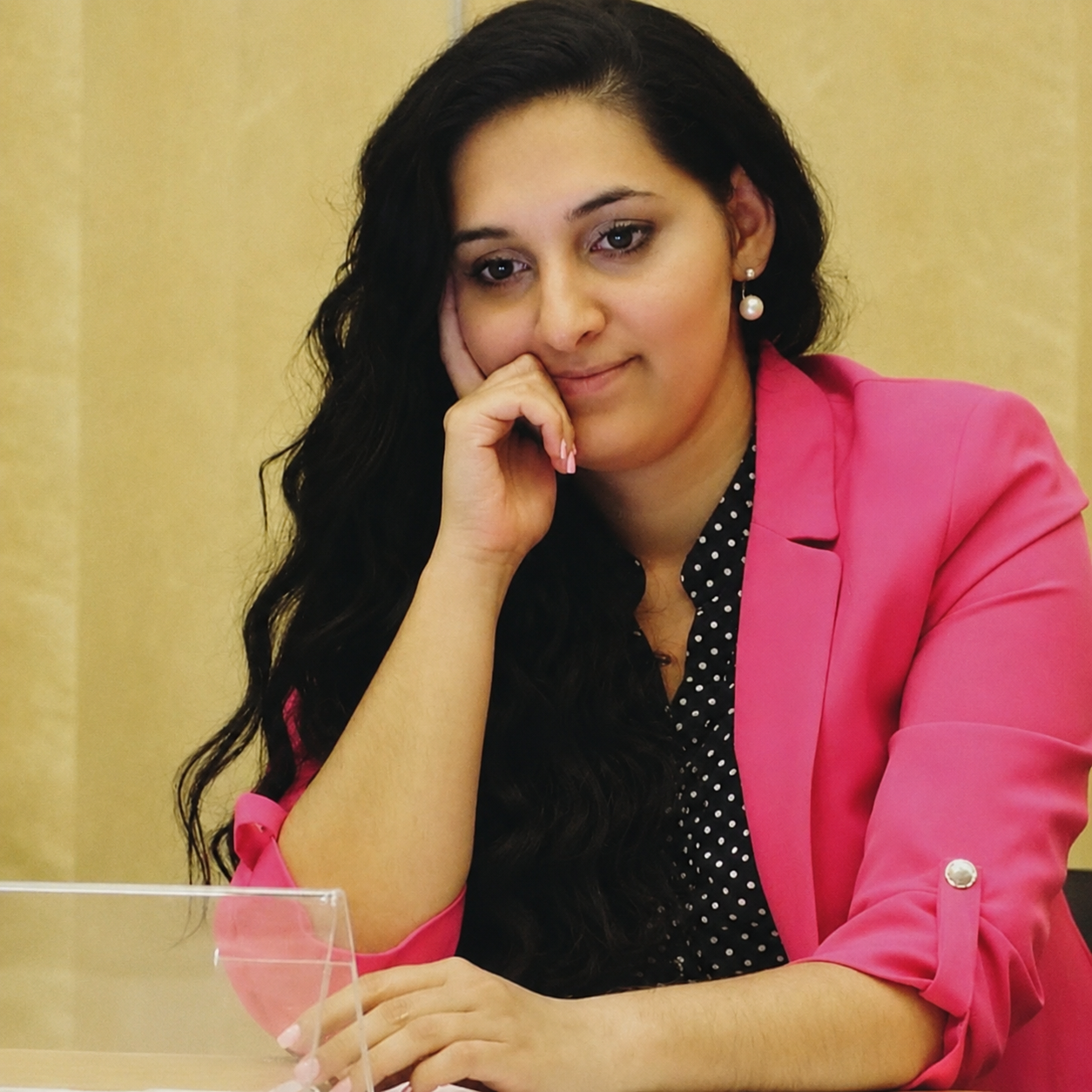
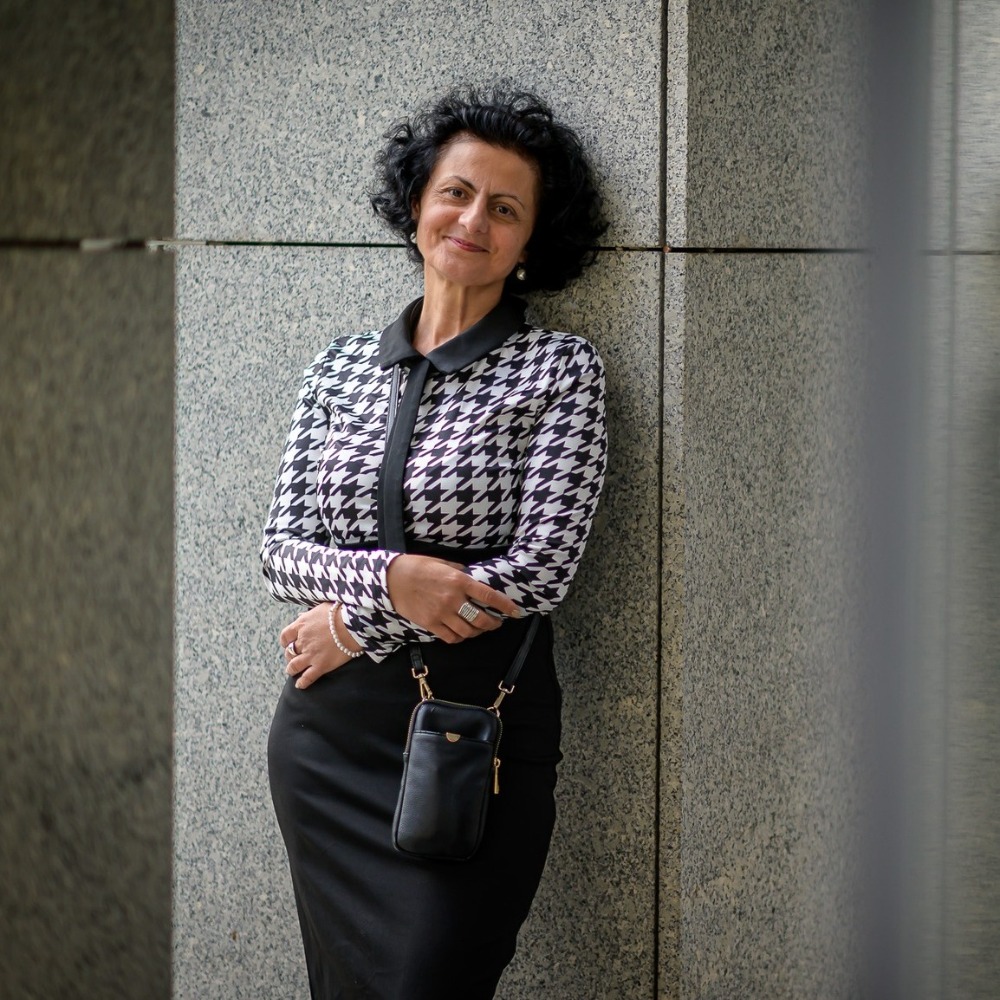
The 2025 Roma Holocaust Voices Fellowship has been awarded to filmmaker Lisa Smith (Creative Fellowship) and emerging scholar and activist Marija Enver (Academic Fellowship). By working directly with survivor testimonies, fellows transform them into accessible research, artistic works, and educational resources for researchers, educators, cultural institutions, and Roma communities, contributing to a more complete and inclusive understanding of Holocaust history.
ERIAC and the Fortunoff Archive congratulate the 2025 fellows and reaffirm their commitment to preserving and honoring the voices of Roma and Sinti Holocaust survivors.
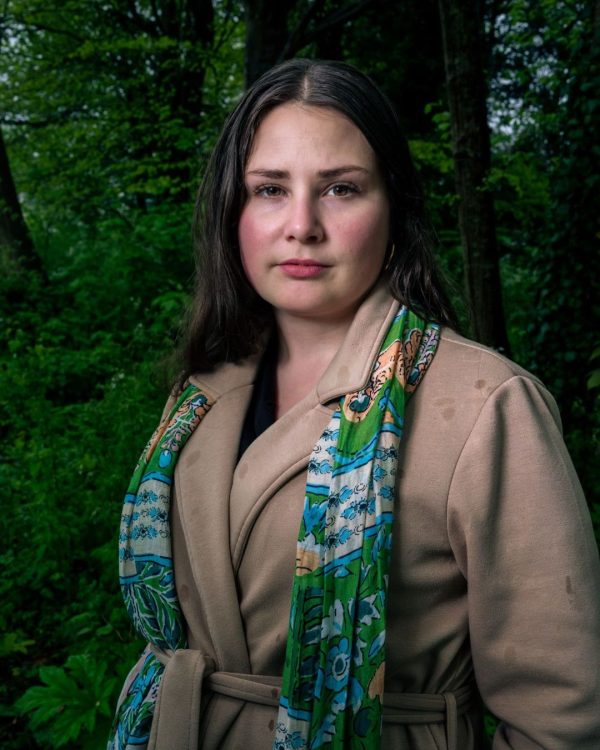
Lisa Smith is a British Romani filmmaker whose work is rooted in international collaboration across the UK, Germany, and beyond. She served as creative producer for the animated documentary series People Can Die Twice (2022), now part of the permanent exhibition at the Memorial to the Murdered Sinti and Roma of Europe in Berlin. From 2021 to 2024, she curated the International Festival of Romani Film AKE DIKHEA? in Berlin. In 2023, she founded Patrin Films, producing acclaimed works including The Angry Bird (2025), winner of the Netflix Documentary Talent Fund and nominated for Best Short Documentary at the Raindance Film Festival, and The Earth Beneath Margaret’s Feet (2025), made in collaboration with Ffilm Cymru Wales, the BFI NETWORK, and BBC Wales. She is a Research Associate with the Critical Film and Image Hub at Heidelberg University and a member of the European Film Academy.
Proposed to develop the animated documentary project The Many Voices of Her, which centers the testimonies of Romani women Holocaust survivors through verbatim audio from the Fortunoff Video Archive and symbolic animation, aiming to amplify marginalized narratives and promote Romani cultural memory through public screenings, educational partnerships, and digital distribution. Expected to deliver the outcome by the end of 2026.
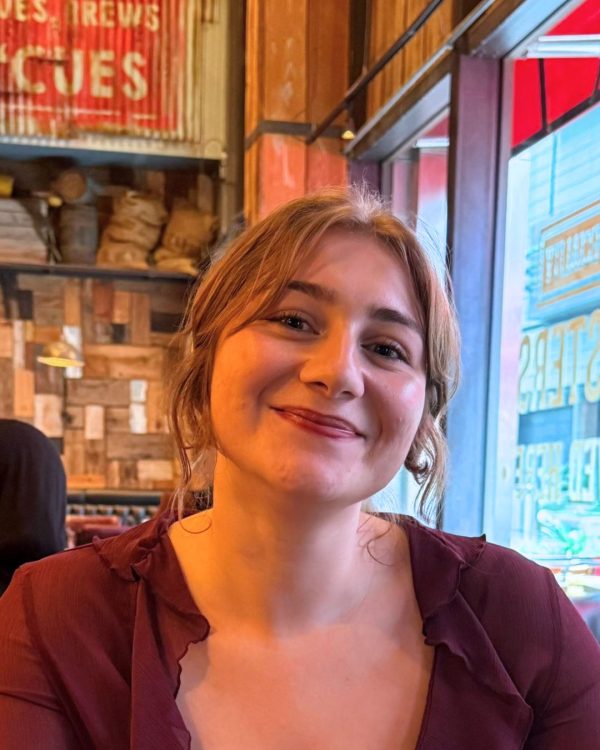
Marja Enver is a Bosnian Roma activist, emerging scholar, and advice worker whose work focuses on Roma history, memory, and resistance. After completing her undergraduate degree in History in London, she began an MA in Holocaust Studies, where her research explores the persecution, resilience, and resistance of Roma communities during the Holocaust. Alongside her academic work, she supports community members through her role as an advice worker at the Roma Support Group, helping individuals navigate complex systems and access their rights.
Drawing from both lived experience and historical research, Marja’s work seeks to challenge the historical erasure of Roma voices while preserving the memory of Roma suffering and survival.
Her proposed research project, Hidden Courage: Roma Resistance and Survival in the Holocaust, aims to recover and amplify narratives of Roma resistance through survivor testimonies. The project will result in an interactive digital exhibition and educational resources connecting Holocaust memory with contemporary Roma experiences, with outcomes expected by the end of 2026.
OPEN CALL | Roma Holocaust Voices Fellowship 2025
Building on the success of the previous year, Fortunoff Video Archive for Holocaust Testimonies and the European Roma Institute for Arts and Culture (ERIAC) continue their collaboration through the Roma Holocaust Voices Fellowship. This program offers a platform to support Roma voices in relation to the history and memory of the Roma Holocaust and its contemporary relevance.
Application Deadline: October 31, 2025
Application form: https://docs.google.com/forms/d/e/1FAIpQLScgS9hi7yz1cs7I3MnrWl7yZsqdMjsQ-XZIT4PcVBifXUYbNA/viewform
Late submissions will not be considered.
Fellowship Tracks
The 2025 Fellowship will support two individuals of Roma origin to work on independent projects in two categories:
- Academic Track: Focused on scholarly research and written output
- Creative Track: Focused on public artistic engagement and visibility
Please note: All fellows are expected to actively engage with the Fortunoff Archive’s testimonies of Roma Holocaust survivors as part of their project development.
1. Academic Fellowship
Expected Outcome: A scholarly contribution — such as a research article, essay, or mapping project — critically engaging with testimonies from the Fortunoff Archive.
Language: English (required), Romani translation.
Themes: Holocaust memory, Roma identity, genocide testimony, intergenerational memory, oral history.
Profile: Roma origin; proven academic background or relevant experience in research and writing.
2. Creative Fellowship
Expected Outcome: A public-facing creative project. A detailed description of your work.
Preferred Formats:
-
- Public artwork (e.g., mural, installation)
- Short film or animation
- Theatrical performance
- VR or AR object
- Augmented reality experience
Evaluation Criteria: Priority will be given to proposals with strong public visibility, outreach potential, and the ability to reach broader audiences through exhibitions, screenings, or digital engagement.
Profile: Roma origin; experience in the creative arts or digital storytelling; ability to produce a final public-ready outcome
Fellowship Grant
Each selected fellow will receive an honorarium of 4,000 EUR to support the development and implementation of their project. The implementation timeline is approximately six months.
Fellows will receive:
- Access to Fortunoff video testimonies of Roma survivors
- Guidance from both ERIAC and Fortunoff experts
- Visibility through ERIAC and Fortunoff platforms
- Support in disseminating the final result
Please note that the total number of selected fellows is limited to two. The grant is competitive and will be awarded based on merit, originality, and feasibility of the proposed project.
Jury Composition
The selection jury will consist of:
- One representative of the Fortunoff Archive
- One representative of ERIAC Management
- One representative of the Barvalipe Academy
Selection Criteria
Applicants will be evaluated based on:
- Roma origin
- Relevance of past work and expertise
- Quality and originality of the project idea
- Feasibility and clarity of the proposed outcome
- Potential for public engagement and visibility
Timeline
Open Call: October 1 – October 31, 2025
Evaluation and Selection: November 2025
Implementation: November 2025 – April 2026
How to Apply
Applicants should submit, via the application form:
- Personal information
- Project Proposal Guidelines:
Applicants should submit a proposal of 1–2 pages (max. 500 words) describing:
The concept and objectives of the project
How the applicant intends to use the testimonies from the Fortunoff Archive in their work
Intended outcomes and dissemination format
Timeline and feasibility
Target audience and expected visibility
- CV
All materials must be submitted in English.
Recipients 2024 Roma Holocaust Voices Fellowship
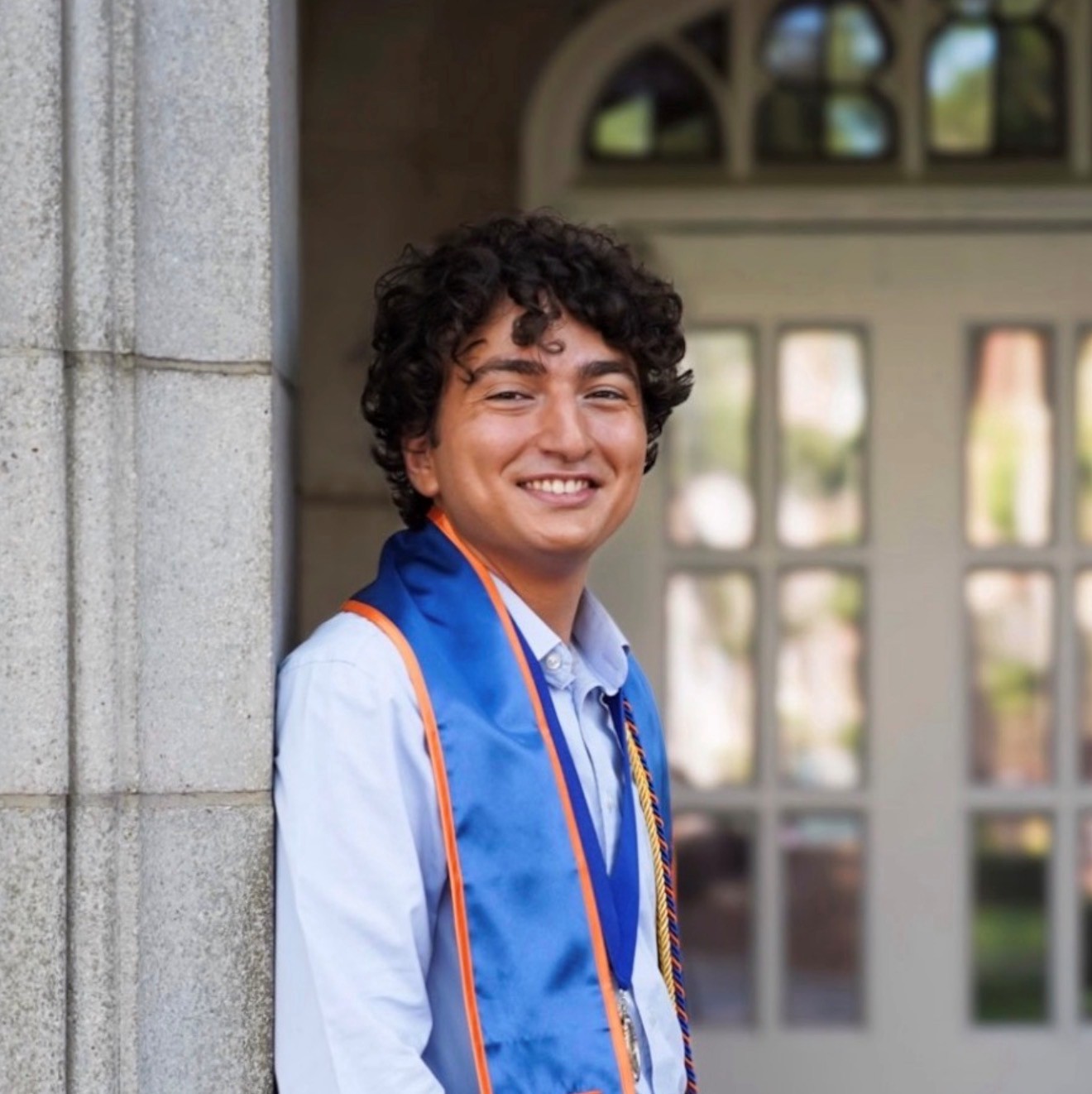
The 2024 Roma Holocaust Voices Fellowship recipients worked on preserving and sharing historical memory through distinct creative and archival roles. Leading the public engagement projects, filmmaker Florian Tacorian produced a mini-documentary series based on the accounts, while theater director and activist David Tišer organized the commemorative event LEPERIBEN: WE DO NOT FORGET to honor the victims. Working directly with the historical texts, Melinda Vajda Ferkovicsné and researcher Iveta Kokyová translated the materials, while Alen Umer, Sára Danielová, and historian Michal Mižigár transcribed the critical testimonies from the Fortunoff Archive.
Florian Tacorian is a filmmaker and social video producer. His work focuses on the connection between Romani culture, history, and language to the lived realities of Romani people and the relationship between Roma and other marginalized peoples; emphasizing empowerment through art and culture. His work has been featured and cited in international publications such as Deutsche Welle (DW), Le Monde, and LA Times, as well as in festivals such as the 2025 International South Asian Film Festival (iSAFF). As a Roma Holocaust Voices Fellow, he is creating the documentary film series For Us It Continues connecting Romani-language testimonies from the Fortunoff Video Archive with modern Romani experiences.
Florian Tacorian was responsible for the creation of mini-documentaries based on testimonies, combining professional-quality video production with contributions from Romani musicians and historians to reach a global audience.
David Tišer is the Director of ARA ART, an organization focused on culture with strong social impact, education, and the advancement of the rights of Roma and the Romani LGBTQ minority. He is an actor, theatre director, and the founder of the first professional Romani theatre company in the Czech Republic. He is also the founder of the Council of Roma of the City of Plzeň and an initiator of several Romani and Romani LGBTQ+ cultural and advocacy platforms in the Czech Republic and across Europe.
David Tišer is one of the key founding figures of the European Romani LGBTQ movement. He is a recipient of the Museum of Romani Culture Award (2018) and the František Kriegel Award for courage (2019), awarded by the Charter 77 Foundation. In 2019, he was named Pride Marshal. He is also a fellow of the prestigious Ashoka Fellows program.
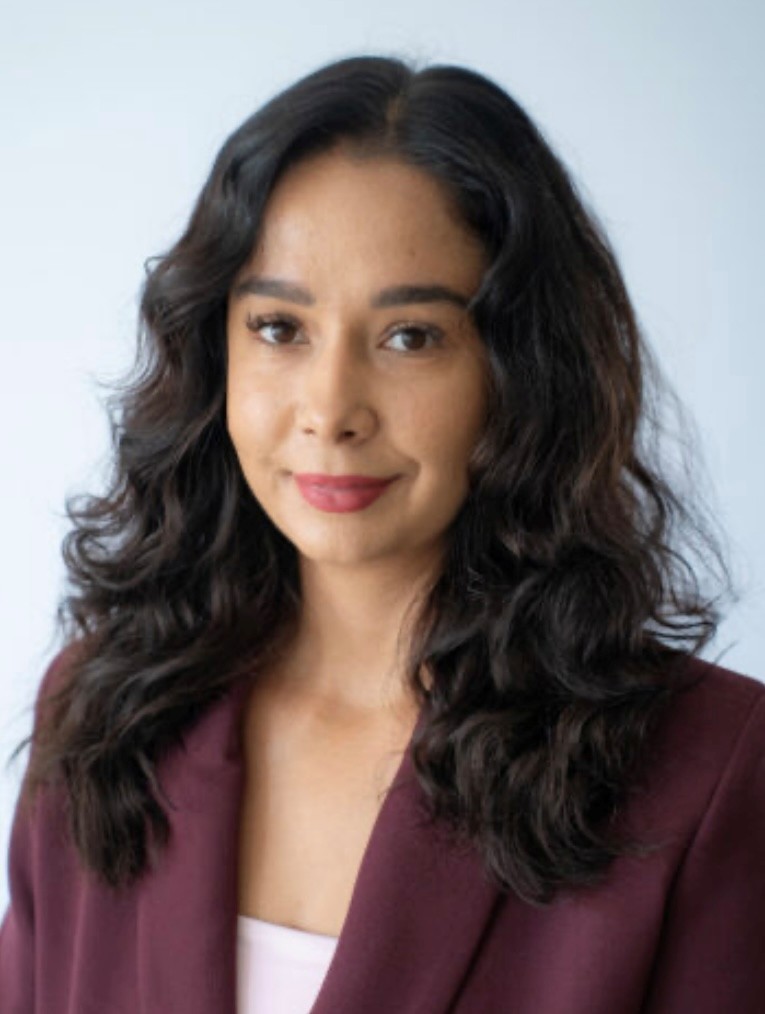
Melinda Vajda Ferkovicsné is a graduate of Central European University, where she studied Sociology and Anthropology. She is currently a PhD candidate in the Applied Linguistics Doctoral Program at the Faculty of Humanities of Eötvös Loránd University. Her research focuses on the transnational use of the Romani language, language ideologies, and the impact of migration on language practices. She currently teaches Romani language courses at Central European University and works as a translator in Romani, Hungarian, and English.
Melinda Vajda was responsible for translating transcribed testimonies from the Fortunoff Archive.
Iveta Kokyová is currently a master’s student in the Department of Romani Studies at the Faculty of Arts, Charles University.
Researcher (Institute of Ethnology, Czech Academy of Sciences / Faculty of Arts, Charles University) for the project “Unequal Citizenship and Transnational Mobilization of Polish, Czech, and Ukrainian Roma in the Face of the War in Ukraine.”
Lecturer in the Romani language at the Faculty of Arts, Charles University. Translator into the Romani language for the database of testimonies from Roma and Sinti at the Prague Center for Romani History at the Faculty of Arts, Charles University. A bilingual writer.
Iveta Kokyová was responsible for translating transcribed testimonies from the Fortunoff Archive.
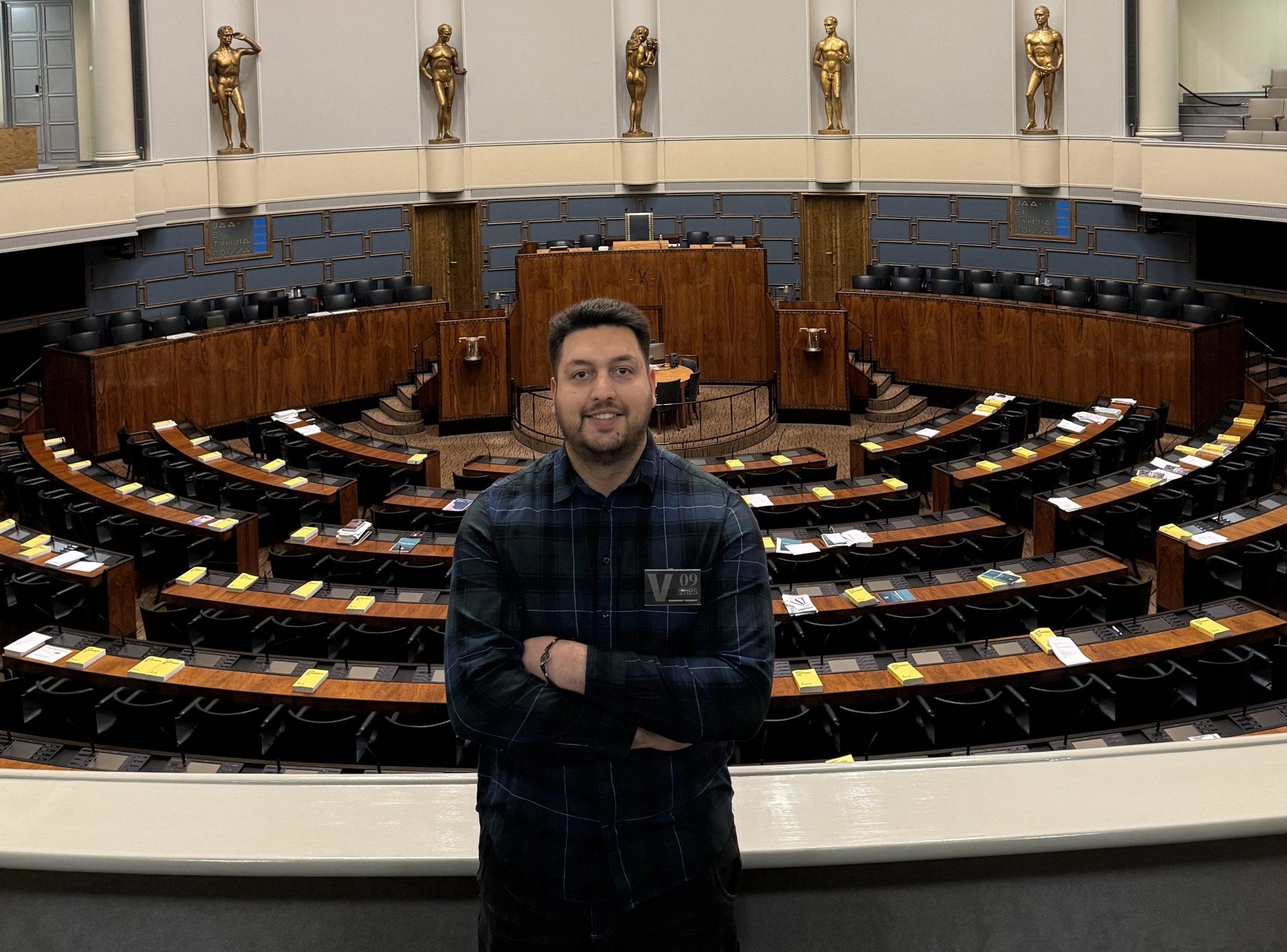
Alen Umer is a community practitioner and educator specializing in social inclusion, youth empowerment, and community-led development. With over seven years of experience, he has worked with Roma communities through roles in NGOs and international organizations, focusing on advocacy, stakeholder engagement, and educational programming. He has coordinated dialogue between marginalized communities and public institutions, as well as designed and delivered workshops and mentorship programs for young people. Alen has also contributed to initiatives addressing hate speech and promoting digital literacy among youth. He is currently based in Helsinki, Finland, and holds a Master’s degree in Diplomacy from South East European University.
Alen Umer was responsible for transcribing testimonies from the Fortunoff Archive.
Sára Danielová is a PhD candidate in Social Policy at the University of Ss. Cyril and Methodius in Trnava, where she focuses on research in the field of social justice and Roma rights. In her academic work, she specializes in the issues of anti-Roma racism and hate. She works as a junior researcher and actively participates in international projects and professional discussions. In addition to her academic activities, she strives to support young Roma through education, networking, and community initiatives.
Sára Danielová was responsible for transcribing testimonies from the Fortunoff Archive.
Michal Mižigár is a historian and Romani Studies scholar specialising in Roma history, memory, education, and emancipation movements in Central and Eastern Europe. He studied Romani Studies at Charles University in Prague and Comparative History at Central European University, where his research focused on Roma emancipation efforts in socialist Czechoslovakia and transnational Roma activism. He is a co-founder of Baripen – Roma Archive and Cultural Centre in the United Kingdom and works on projects connecting archival research, public history, education, and Roma cultural heritage. He also teaches Romani language and promotes its use as an important part of Roma cultural and intellectual heritage.
Michal Mižigár was responsible for transcribing testimonies from the Fortunoff Archive.
Call for Applications: Roma Holocaust Voices Fellowship
ERIAC and the Fortunoff Archive have joined forces to support the preservation of crucial historical testimonies. In commemoration of the International Roma Holocaust Remembrance Day on August 2, ERIAC, in collaboration with the Fortunoff Archive, is pleased to announce a mini-grant program. This initiative aims to support translators and creative projects in the study of testimonies from Roma and Sinti survivors of the Holocaust.
About the Fellowship
The Roma Holocaust Voices Fellowship provides an opportunity for researchers, translators, and creators to work with unique archival materials. Specifically, we have four video testimonies from Roma and Sinti survivors of the Holocaust, recorded in the Romani language (Czechoslovak dialect, Lovari dialect). The goal of this fellowship is to preserve and promote these crucial historical testimonies through transcription, translation, and creative projects.
Fellowship Objectives and Expected Outcomes
- Transcription Fellowship: Transcribe the video testimonies from Romanes (Czechoslovak dialect) into written format. The approximate duration of the 4 videos is 4 hours in total.
- Translation Fellowship: Translate the transcribed testimonies from Romanes into English.
- Creative Projects / Publication Fellowship: Utilize the translated testimonies for various projects, such as:
- Scholarly research and publications
- Educational materials
- Artistic works (e.g., visual art, performance, multimedia projects)
- Community engagement initiatives
By the end of the fellowship, we expect to have:
- Complete written transcriptions of the four video testimonies.
- English translations of these transcriptions.
- Creative projects that effectively utilise the testimonies to enhance understanding and awareness of the Roma Holocaust.
Fellowship Details:
5 fellowships, each worth €1000:
Transcription: 1 fellowship for transcribing testimonies from Romanes (Czechoslovak dialect) into written format.
Translation: 1 fellowship for translating transcribed testimonies from Romanes (Czechoslovak dialect) to English.
Creative Projects / Publications: 3 fellowships for projects involving the use of testimonies, such as scholarly research, publications, educational materials, or artistic works.
Application Timeline:
Call for Applications Published: July 31, 2024
Application Deadline: September 30, 2024
Jury Session: October, 2024
Project Start Date: November 1, 2024
Project End Date: April 30, 2025
Project Duration: 6 months (covering both translation and research phases)
Eligibility Requirements:
Transcribers: Must have proficiency in Romanes (Slovak and Czech dialects – Lovari) and excellent writing skills in the language. Previous transcription experience is preferred.
Translators: Must have proficiency in Romanes (Slovak and Czech dialects – Lovari) and English. Previous translation experience is preferred.
Applicants for Creative Projects: Must have a background in Roma and Sinti history, Holocaust studies, or related fields. Proposals should demonstrate a clear plan and objectives for utilizing the testimonies.
How to Apply:
We look forward to your active participation and contributions to preserving the vital historical testimonies of Roma Holocaust survivors.
For further details or inquiries, please contact:
Petro Rusanienko
Email: petro.rusanienko@eriac.org