
ERIAC Participates in Panel Discussion at Cafe Kyiv 2026
The European Roma Institute for Arts and Culture (ERIAC) will take part in Cafe Kyiv 2026, one of Germany’s largest event dedicated to Ukraine, with the panel Roma Identity in Wartime, on February 23. The session, which brings forward first-hand perspectives of Ukrainian Roma affected by Russia’s war against Ukraine, is organized in collaboration with Youth Agency for the Advocacy of Roma Culture (ARCA), Roma Education Fund Romania (REF), and Roma Foundation for Europe (RFE), with the advisory support of Ukrainian Roma Advocacy Alliance (AURA), Central Council of German Sinti and Roma, and financial contribution provided by the Evangelical Academy in Berlin and the Rroma Foundation in Switzerland.
The panel will convene Nataliia Tomenko (AURA & ARCA), Petro Rusanienko (ERIAC), Izaura Dryma (REF), and Rahiela Mustafovska (RFE) in a discussion moderated by Stephan Müller (Central Council of German Sinti and Roma) to explore displacement, protection gaps, and everyday forms of resilience, highlighting how Roma communities navigate war, forced migration, and systemic exclusion.
A central focus will be the role of Roma civil society in Ukraine and in exile, including humanitarian response, advocacy, documentation, and efforts to combat antigypsyism. Panellists will reflect on cross-border cooperation and the contributions of international actors. The discussion will also address the importance of ensuring meaningful Roma participation in Ukraine’s reconstruction, democratic renewal, and post-war recovery, with an emphasis on policy inclusion and long-term social cohesion.
DATE: 23 February 2026, 12:15
VENUE: Colosseum Berlin, Kino 6 (Gleimstraße 31, 10437 Berlin)
Cafe Kyiv is a series of events initiated by the Konrad Adenauer Foundation and carried out with numerous partner organizations, combining politics, science, culture, innovation, and networking in an all-day festival format. The aim is to bring Ukraine to life through its own voices, perspectives, and culture. The series sends a clear message of solidarity and creates spaces for substantive debates on freedom, security, and the reconstruction of Ukraine, always in direct dialogue with Ukrainians. This brings together engagement from civil society, politics, and business and translates it into concrete support.
The event series began in 2023 with the temporary renaming of Café Moskau on Karl-Marx-Allee in Berlin to Cafe Kyiv and has been held annually ever since. Cafe Kyiv has established itself as a key event that highlights the significance of Ukraine’s fight for Europe’s freedom, connects politics, culture, and civil society, and creates synergies.
Meet the Panelists

Nataliia Tomenko is a cultural heritage expert, scholar, psychologist-consultant in transactional analysis, visual artist, and Roma human rights defender from Ukraine. Currently taking a position of co-chair of AURA: Ukrainian Roma Advocacy Alliance in Germany, as well as Deputy Director at the ARCA: Agency for the Advocacy of Roma Culture in Ukraine. Nataliia combines her artistic production with research; her study topic is “Safeguarding of Roma Cultural Heritage in Ukraine During the War”.
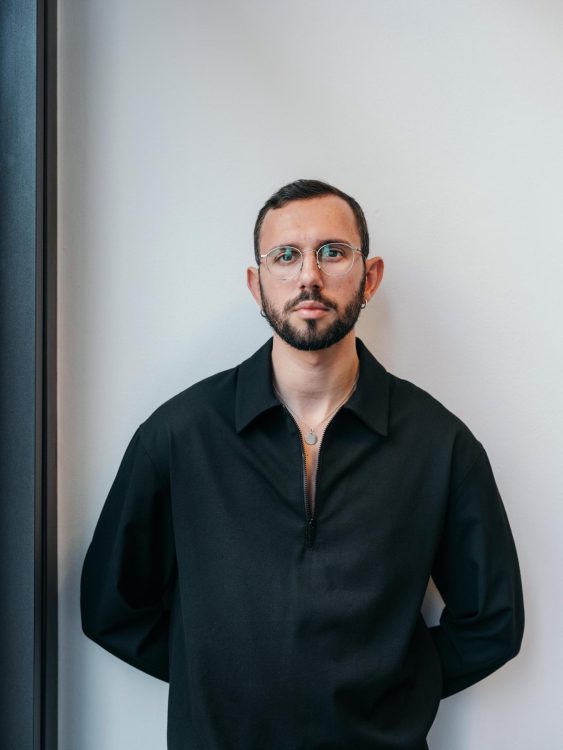
Petro Rusanienko is a Berlin-based cultural practitioner and filmmaker. He works as Project and Community Coordinator at the European Roma Institute for Arts and Culture (ERIAC) and serves as a Board Member of the European Film Academy.
His professional focus lies on Roma representation, memory work, identity, and the development of international cultural projects at the intersection of film, education and community engagement.
Petro’s background in cinema and performance informs his practice of working with storytelling formats, audiovisual narratives and participatory cultural projects across Europe.

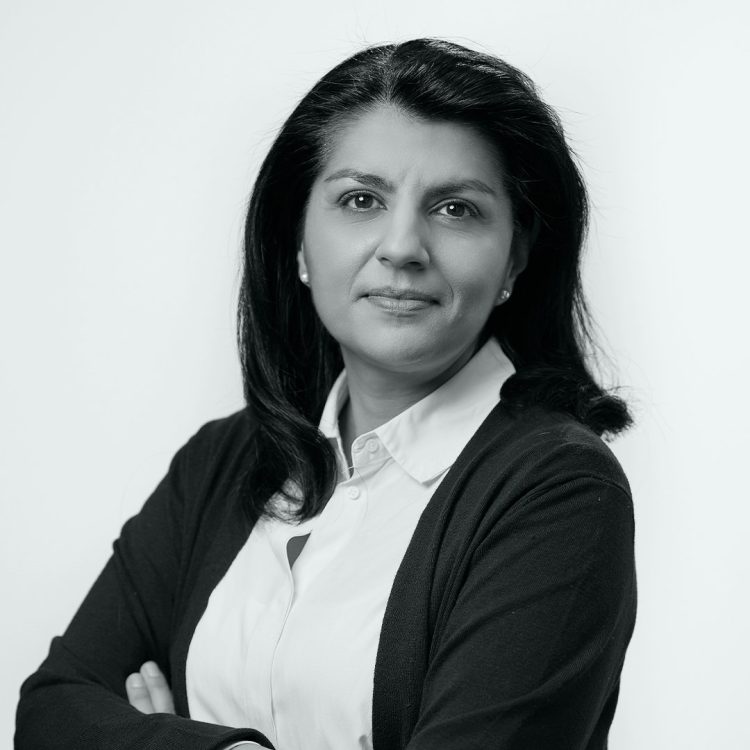
Izaura Dryma is a psychologist, Roma dance performer and human rights activist activist, currently working as a Community Facilitator at the Roma Education Fund Romania (REF), where she supports Ukrainian Roma children and their families in adapting to the Romanian education system and cultural environment, coordinating cooperation between families, schools, and the Foundation. She also serves as a Consultant of the Roma Community Support Service at the Agency for the Advocacy of Roma Culture (ARCA), communicating directly with Roma communities in Ukraine through a dedicated hotline. In this role, she conducts monitoring of the humanitarian and educational situation, provides guidance and referrals, and contributes to strengthening access to essential services and sustainable support mechanisms for vulnerable Roma families affected by war and displacement.
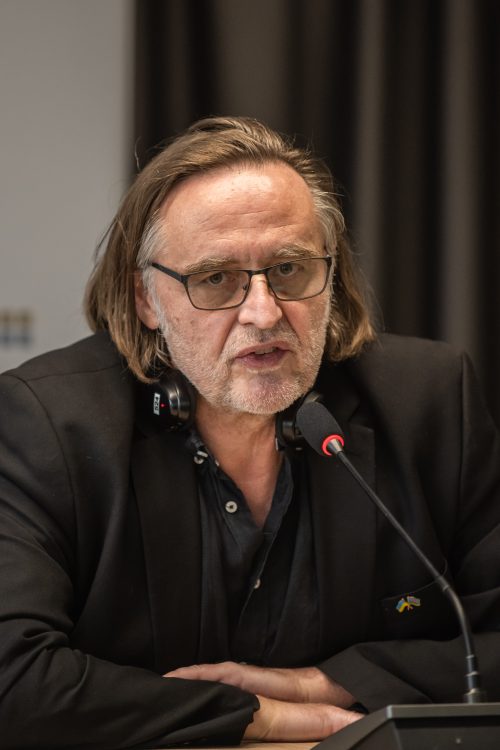
Stephan Muller is a political scientist, advisor on International Affairs with the Central Council of German Sinti and Roma. Stephan has extensive working experience in the field of minority and human rights. Before working with the Central Council of German Sinti and Roma, he worked as an advisor to governments, inter-governmental organisations and NGOs in Central and Southeastern Europe.